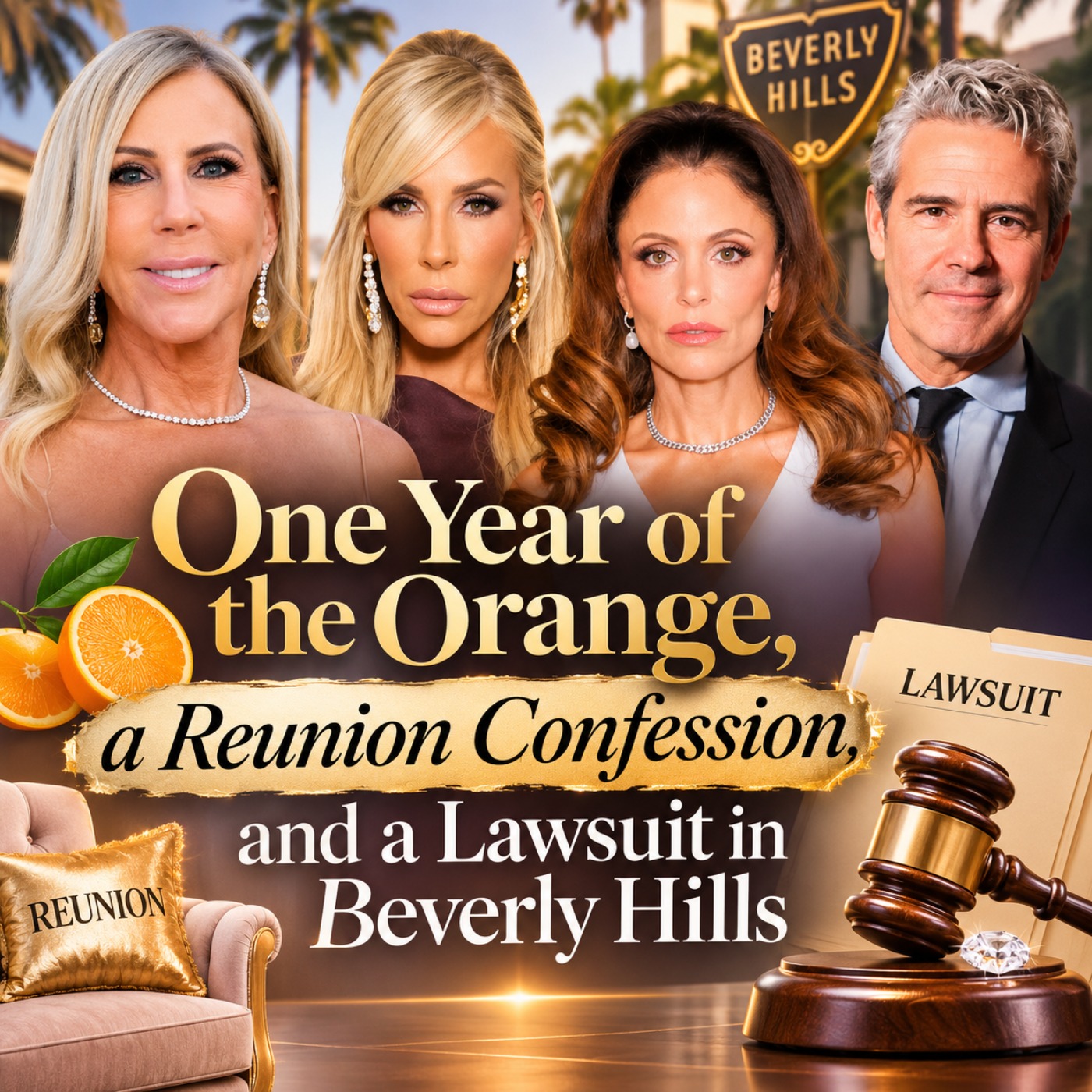
Andy Cohen's Reunion Biases: Analyzing the Bethenny and Carole RHONY Fallout
Andy Cohen's recent admission about taking a side during the notoriously tense Real Housewives of New York City Season 10 reunion sheds light on how executive biases shape the Bravoverse. Behavioral analysis reveals how production favoritism and behind-the-scenes alliances dynamically influence cast member confrontations, fan reception, and the overarching narrative arcs across various Bravo franchises.
Key Takeaways
- Andy Cohen publicly admitted to harboring a clear bias toward Bethenny Frankel during her explosive feud with Carole Radziwill at the RHONY Season 10 reunion.
- Reunion moderators play a massive behavioral role in validating specific cast members while inadvertently alienating others on the couch.
- Executive producer favoritism alters how viewers interpret authenticity and emotional vulnerability during high-stakes reunion blocks.
- Behavioral analysis of reality TV shows how unscripted talent reacts when they realize the host is not acting as a neutral arbiter.
- Understanding host bias helps Bravo fans decode the subtler editing choices and narrative pushes made during reunion marathons.
The Anatomy of Host Bias at Reunions
When Andy Cohen sits on the reunion stage, viewers naturally assume the role of an objective mediator who holds every Housewife equally accountable. However, recent confessions from the Bravo front-man about siding with Bethenny Frankel over Carole Radziwill confirm what sharp-eyed fans have suspected for years: host partiality is very real. From a behavioral psychology standpoint, when a host validates one party's emotional expression over another's, it instantly shifts the power dynamic on the couch. Cast members who sense a lack of neutrality often internalize that rejection, leading to defensive posturing, shut-down body language, or explosive outbursts that further cement a negative edit.
During the infamous Season 10 RHONY reunion, the fracture between former best friends Bethenny and Carole was the central emotional earthquake of the franchise. By acknowledging his internal leaning toward Bethenny, Andy highlighted a systemic reality of unscripted television production. Hosts are human; they develop working relationships with alpha personalities who consistently deliver high ratings and dramatic storylines. When those preferences bleed onto the stage, they alter the organic resolution process that fans expect from a reunion finale.
How Favoritism Alters Cast Behavior
Cast members are hyper-aware of Andy's facial expressions, validation cues, and line of questioning. When a reality star realizes the moderator is fighting in someone else's corner, their behavioral baseline changes. You see an increase in defensive cross-talk, appeals to the audience at home, and a frantic attempt to regain control of the narrative. Instead of engaging in constructive conflict resolution, the disadvantaged Housewife often goes into survival mode, which the editing bay subsequently frames as being unhinged or overly defensive.
Bethenny Frankel and Carole Radziwill: A Case Study in Power Imbalances
The Bethenny and Carole fallout remains one of the most intellectually fascinating fractures in Real Housewives history because it involved two women who were deeply analytical yet diametrically opposed in how they handled production. Bethenny operates as a master of velocity, dominating airtime and emotional real estate. Carole, on the other hand, relies on deadpan dismissal and intellectual detachment. When Andy Cohen leaned into Bethenny's framework during their reunion showdown, it tipped the scales decisively.
Behavioral analysts studying reality television dynamics note that when an alpha personality is backed by institutional approval from the network or host, the opposing party is forced into an impossible double bind. If they fight back aggressively, they are labeled toxic. If they retreat quietly, they are labeled defeated. Carole's ultimate departure from the franchise was a direct byproduct of this untenable environment, proving that reunion bias has long-term consequences for cast retention.
Broader Implications for Bravo Reunions
Andy Cohen's transparency about his RHONY bias invites viewers to watch future reunions with a more critical, analytical eye. Across franchises like The Real Housewives of Orange House, The Real Housewives of Beverly Hills, and Summer House, hosts and producers continually navigate the delicate balance between entertainment value and fair play. Recognizing these biases allows the audience to separate genuine interpersonal conflict from manufactured narrative direction.
To dive deeper into the behavioral breakdowns of Bravo's biggest news, cast dynamics, and behind-the-scenes edits, Listen to the full episode of The Good Edit Unfiltered. Behavioral analyst Elle Schwartz breaks down everything you missed in the Bravoverse, offering unique insights you won't find anywhere else.
Frequently Asked Questions
What did Andy Cohen admit about the RHONY Season 10 reunion?
Andy Cohen admitted that he harbored a clear bias toward Bethenny Frankel during her intense feud and breakup with Carole Radziwill at the Season 10 reunion.
How does host bias affect Housewives on stage?
Host bias alters the power dynamics on the reunion couch, causing disadvantaged cast members to feel unsupported, which often leads to defensive behaviors that editors later frame negatively.
Why did Bethenny and Carole's friendship collapse at reunions?
Their friendship fractured due to conflicting communication styles, differing approaches to production, and Bethenny's dominance of the emotional narrative, which was reinforced by institutional backing.
Where can I hear more behavioral analysis of Bravo shows?
You can listen to daily episodes of The Good Edit Unfiltered hosted by behavioral analyst Elle Schwartz for deep dives into cast dynamics, authenticity, and the edit.