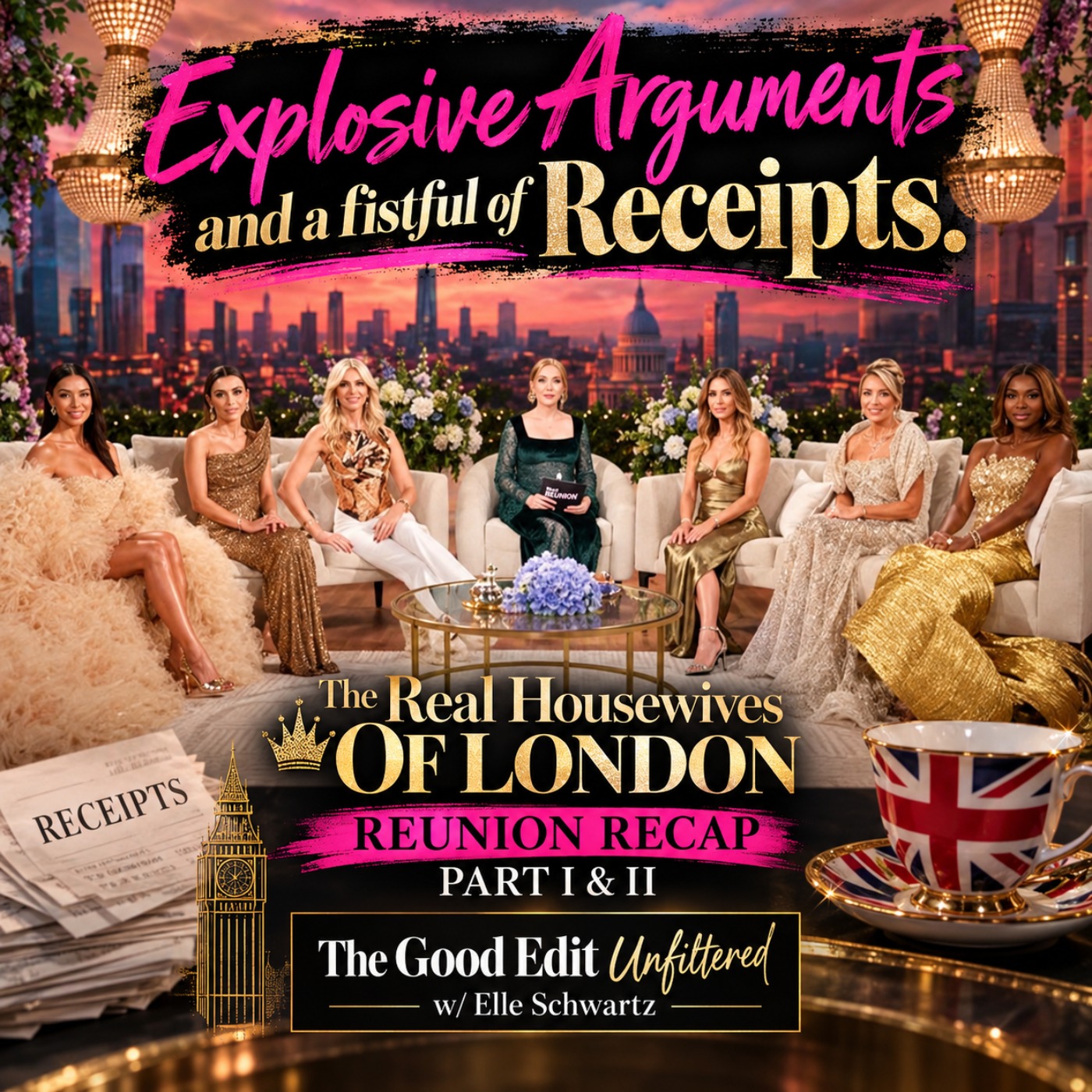
Why Reality TV Reunions Need a Behavioral Analyst: Breaking Down the RHOLDN Set Blowups
Reality TV reunions often descend into shouting matches, but the Real Housewives of London reunion at Kennington Studios offered a masterclass in psychological defense mechanisms. By analyzing how cast members deployed deflection, grief, and calculated framing under pressure, we can decode the true behavioral patterns driving the explosive on-screen conflict.
Key Takeaways
- Behavioral analysis reveals that reality TV conflict is frequently a mask for unaddressed personal grief and trauma.
- Strategic preemptive measures, such as Juliet Angus's 'Paddington' merch, disrupt traditional reunion weaponization tactics.
- Financial disputes like the castle bill often symbolize deeper power struggles rather than literal monetary concerns.
- The fourth wall breaking during heated exchanges highlights the exhaustion of maintaining manufactured narrative arcs.
- Corrective emotional experiences require vulnerability that directly counteracts defensive posturing on stage.
The Anatomy of Reunion Deflection
When Katherine Ryan stepped into the hosting chair at Kennington Studios, she did not just moderate an argument; she utilized a clinical approach to dismantling emotional armor. In reality television, a cast member rarely attacks another over the stated issue. When Amanda Cronin claimed her problem with Juliet Angus wasn't about a t-shirt but rather an embellished postcode, a trained behavioral eye immediately spots displacement. Displacement occurs when an individual redirects an emotional response from its actual source to a safer, more manageable target.
The escalation that followed—culminating in the dramatic intervention of production staff—was entirely predictable. In high-stakes environment like a reunion, the pressure cooker effect ensures that minor grievances act as proxy wars for deeper relational wounds. Understanding this grammar of conflict allows viewers to look past the superficial screaming matches and see the actual psychological chess match taking place.
The Role of Preemptive Framing
Juliet Angus entering the room wearing an "I love Paddington" t-shirt and claiming the title of the People's Princess of Paddington is a textbook example of preemptive framing. By taking ownership of an insult and commercializing it before anyone else could weaponize it, she effectively neutralized its sting. In behavioral terms, this is an exercise in radical acceptance coupled with narrative control. It robs the antagonist of their primary ammunition, forcing a pivot in strategy.
Grief as the Ultimate Leveler
Beneath the petty squabbles, postcode disputes, and seven-hundred-pound castle bills, a heavier current ran through the London reunion stage. Karen filming her entire season through the agonizing loss of her sister, Juliet losing her father mid-repair, and Amanda tracing her defensive independence back to foundational childhood abandonment—these are not mere plot points. They are structural underpinnings of human behavior.
Loss strips away the manufactured personas required for reality television. When grief enters the room, it acts as an absolute leveler. No cast member can pull rank on another's trauma. The sudden silences that fell over the studio during these admissions signaled a collective realization that the petty arguments suddenly lacked proportion.
Financial Standoffs as Proxy Conflicts
The infamous castle bill saga—spanning four episodes and culminating in a vote over roughly seven hundred pounds—was never really about the money. Whether Amanda put her share on a Centurion card or whether anyone thought to tip the exhausted staff, the tab served as a Rorschach test for how these women value reciprocity and contribution within the group dynamic. In psychological analysis, how people handle shared resources often mirrors how they manage emotional labor and mutual support.
Corrective Emotional Experiences On Camera
The most fascinating moments of the reunion happened off-script or in the margins: Nessie stepping off the fence to make peace, and Amanda asking Juliet for a hug that prompted a literal crossing of the floor. In psychotherapy, a corrective emotional experience involves re-experiencing an old emotional conflict under new conditions so that it can be resolved differently.
These spontaneous moments of vulnerability cost the participants their protective shields. They required admitting fault, dropping defenses, and risking rejection on a global stage. For a deeper, scene-by-scene psychological breakdown of how these dynamics played out across the entire event, Listen to the full episode of The Good Edit Unfiltered.
Frequently Asked Questions
Why do reality TV cast members deflect during reunions?
Deflection is a psychological defense mechanism used to protect the ego from overwhelming vulnerability. By shifting focus to trivial matters like postcodes or t-shirts, cast members avoid confronting deeper relational fears or personal pain.
What is preemptive framing in reality television?
Preemptive framing occurs when a cast member takes control of a potential insult or negative storyline by leaning into it first—such as turning a derogatory nickname into merchandise—thereby disarming their critics.
Why did the castle bill cause such intense arguments?
The castle bill functioned as a proxy conflict. The intense debate over the modest sum and tipping practices reflected underlying tensions regarding fairness, contribution, and emotional equity within the friendship group.
What makes a corrective emotional experience significant on screen?
A corrective emotional experience on a reality TV reunion is rare because it requires genuine vulnerability rather than produced drama, allowing cast members to rewrite dysfunctional relational patterns in real-time.