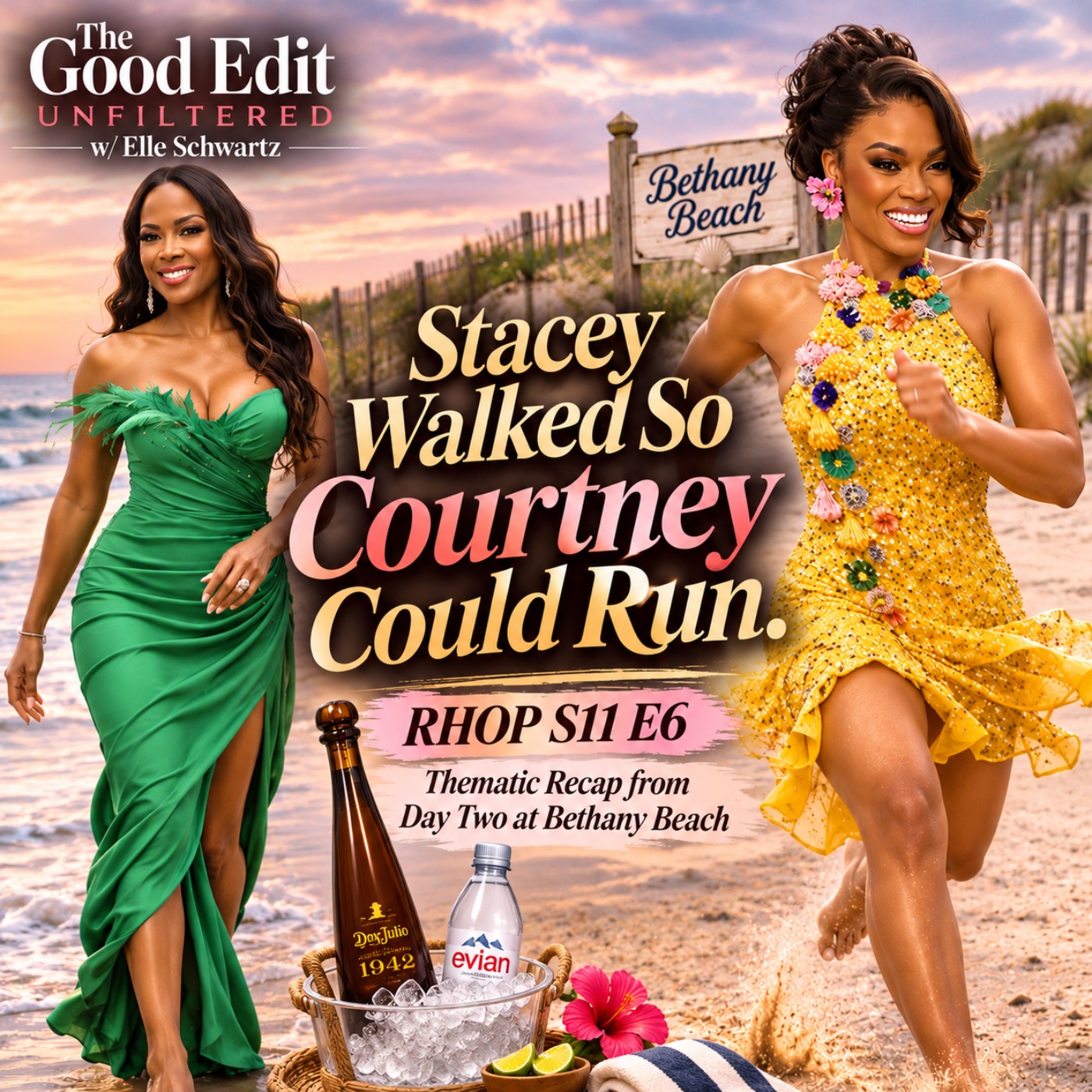
Decoding Courtney Ajinca Legacy Speech Tactics And Reality TV Optics
Reality TV optics are carefully curated, but behavioral analysis reveals the exact psychological mechanics behind explosive moments like Courtney Ajinca's Bethany Beach tears on the Real Housewives of Potomac. By examining strategic speech delivery, tearful displays, and water glass optics, viewers can separate manufactured drama from authentic emotional responses.
Key Takeaways
- Courtney Ajinca's Bethany Beach tears relied heavily on strategic visual props like water glasses.
- Legacy speeches on reality television are designed to establish narrative dominance rather than facilitate conflict resolution.
- Behavioral analysis exposes the disconnect between spoken vulnerability and guarded physical positioning.
- Optics management in group settings often dictates who controls the season's overarching storyline.
- Understanding the edit helps viewers decode why certain emotional reactions feel manufactured or rehearsed.
The Anatomy of a Reality TV Legacy Speech
When a cast member delivers a legacy speech on a franchise like the Real Housewives of Potomac, the primary objective is rarely immediate reconciliation. Instead, these monologues serve as anchor points for the season's narrative arc. During the Bethany Beach trip, Courtney Ajinca utilized structured pacing, dramatic pauses, and deliberate eye contact to command the room's attention. From a behavioral standpoint, a true vulnerability-driven conversation features erratic pacing and defensive de-escalation. Conversely, a legacy speech maintains a rhythmic, almost performative cadence designed to resonate with the audience at home just as much as the women sitting around the table.
Furthermore, the choice of setting amplifies the impact of these speeches. Group trips away from home base inherently heighten stress levels, making cast members more susceptible to emotional manipulation and heightened reactions. When Courtney took center stage during the beach getaway, the physical geometry of the room shifted. Chairs angled inward, side conversations ceased, and the collective energy concentrated entirely on her delivery. This dynamic ensures that even dissenting voices are sidelined, granting the speaker undisputed control over the narrative optics for that episode.
The Strategic Use of Visual Props
Props play an underrated role in reality TV confrontations. Throughout high-stakes emotional scenes, cast members frequently utilize objects like wine glasses, cocktail napkins, or, in Courtney's case, shots of water to regulate their nervous systems and manage screen time. Taking a measured sip of water serves a dual psychological purpose: it buys precious seconds to formulate a calculated response while visually signaling composure to the audience. When analyzed frame by frame, the timing of these sips often correlates directly with moments of narrative tension, acting as a tactical pause button during heated exchanges.
Behavioral Analysis of Tears and Optics
Tears on reality television carry immense currency, but their behavioral validity varies wildly depending on the delivery. True distress typically triggers involuntary physiological responses, such as vocal cracking, micro-expressions of genuine grief, and erratic breathing patterns. When analyzing the emotional fallout at Bethany Beach, behavioral analysts look closely at the accessibility of composure. If an individual can seamlessly transition from sobbing to delivering a composed, perfectly articulated critique of another cast member without a recovery period, the authenticity of the emotional display warrants a closer look.
Courtney's tearful revelations during the trip generated substantial debate among viewers trying to determine where genuine pain ended and strategic positioning began. The edit plays a massive role here, amplifying audio cues and zooming in on physical reactions to guide audience sympathy. However, by stripping away the editing tricks and focusing strictly on behavioral indicators like posture, hand placement, and eye movement, a clearer picture emerges of how cast members manage their public image under immense pressure.
Mastering the Edit in Group Trips
Group getaways are meticulously engineered environments. Production teams strategically place cast members in close quarters to accelerate tension, ensuring that minor grievances snowball into major confrontations. In RHOP Season 11, the Bethany Beach trip acted as a pressure cooker for unspoken resentments, allowing moments like Courtney's tearful defense and the surrounding water-versus-tequila debates to dominate the discourse. Understanding how production influences these dynamics transforms the viewing experience from passive consumption to an active, analytical exercise.
For a deeper exploration of how reality TV personalities navigate these complex social webs, behavioral patterns, and production edits, make sure to Listen to the full episode. Tune in to catch daily breakdowns of cast dynamics, authenticity checks, and insider analysis that goes far beyond the surface-level edit.
Frequently Asked Questions
What is a legacy speech in the context of reality TV?
A legacy speech is a calculated, monologue-style address delivered by a cast member during a group conflict. It is designed to establish narrative dominance, secure fan support, and shape the overarching season storyline rather than resolve immediate interpersonal issues.
How do water glasses and props affect emotional scenes on Bravo?
Props like water glasses and cocktails give cast members tactical pauses to regulate their nervous systems, formulate strategic responses, and control the pacing of a confrontation on camera.
Why do behavioral analysts focus on Bethany Beach group trips?
Group getaways remove cast members from their normal routines and support systems, creating controlled, high-stress environments where authentic behavioral cracks and strategic positioning become much easier to observe.
How does the reality TV edit influence viewer perception of tears?
Editors use strategic camera angles, close-ups on physical reactions, and audio sweetening to amplify emotional moments, sometimes making calculated displays appear more vulnerable or distressed than they actually were in real time.