The Love Island Reality TV Career Trap: Why New Contract Clauses Are Killing Influencer Potential
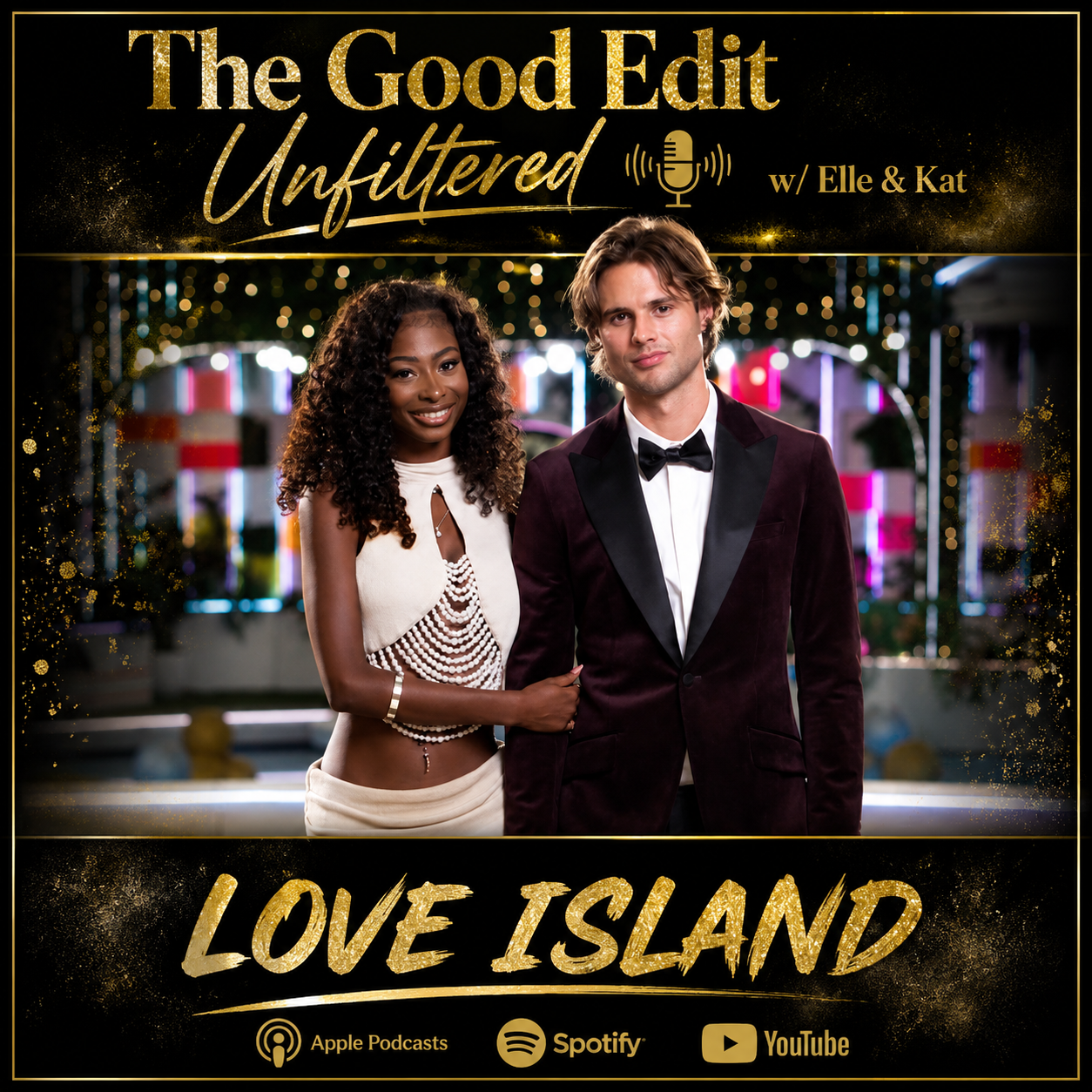
Reality TV participants are increasingly facing rigid contractual restrictions, specifically regarding post-show brand deals and silence periods. This analysis explores how new Love Island contract terms limit contestant income, disrupt the traditional influencer monetization model, and why these legal maneuvers are fundamentally changing the professional trajectory for reality stars entering the entertainment industry today.
Key Takeaways
- New Love Island contract restrictions now mandate a one-year period of silence on external brand deals.
- These legal barriers prevent contestants from capitalizing on their peak popularity immediately after a season ends.
- Production companies are tightening control to prioritize show-sanctioned endorsements over independent influencer growth.
- The shift in power dynamic forces contestants to choose between long-term brand equity and immediate, short-term exposure.
- Legal experts and industry insiders suggest this shift creates a significant financial opportunity cost for reality stars.
The New Era of Reality Contracts
For years, the pathway from a reality dating show to a full-time influencer career was predictable: appear on screen, gain a massive social media following, and immediately pivot to paid partnerships with fashion and beauty brands. However, the industry landscape is undergoing a tectonic shift. As discussed in our recent analysis, newer contracts for popular series like Love Island are imposing strict "silence clauses" that effectively handicap a contestant's ability to monetize their newfound fame for up to an entire year.
Why Producers Are Tightening the Reins
Production companies are no longer content with simply owning the rights to the footage. They are aggressively seeking to own the talent's commercial footprint. By restricting external brand deals, networks ensure that the only faces fans see associated with their favorite products are those managed or approved by the show's own internal talent agencies. It is a strategic move to centralize power, but it comes at a significant cost to the individuals who provide the content that drives these shows' ratings.
The Opportunity Cost of Silence
The iron rule of influencer marketing is "strike while the iron is hot." Reality TV is a high-velocity, high-attention game. Contestants are most valuable to brands during the three-to-six months following the airing of their season finale. When a one-year restriction is placed on these individuals, it essentially forces them to miss their most lucrative window of opportunity. By the time the restriction lifts, public attention has inevitably shifted to the next crop of reality stars, leaving the previous cast members with diminished returns on their social capital.
The Impact on Personal Branding
Beyond the simple loss of income, these restrictions stifle personal brand development. In an era where audiences demand authenticity, a year of silence can feel like a year of irrelevance. Fans want to see what products their favorite islanders actually use, not just a curated, sanitized image dictated by network restrictions. When contestants are unable to share their favorite products or personal style in real-time, the connection with their audience weakens, and the longevity of their career in the public eye is significantly threatened.
Navigating the Legal Landscape
Aspiring reality stars are increasingly forced to scrutinize their contracts with the help of legal counsel before signing away their rights. The pressure to get on air is immense, but the long-term career implications of these restrictive covenants cannot be overstated. We are seeing a shift where contestants might trade away their agency in hopes of a "breakout" role, only to find themselves legally barred from reaping the financial rewards of that fame for the following twelve months.
This reality TV climate shift necessitates a smarter approach to casting and career planning. It is no longer enough to just be a compelling character; prospective reality stars must act as their own business strategists. The days of accidental fame-turned-influencer-career are dwindling in favor of a more corporate-controlled, restrictive landscape that prioritizes the network's bottom line over the talent's long-term professional independence.
Conclusion
The landscape of reality television is evolving, and with it, the business model for those who grace our screens. Understanding the fine print of these industry shifts is vital for anyone watching or participating in the genre. For a deeper breakdown of how these legal and industry trends impact our favorite shows, including the latest behind-the-scenes drama, Listen to the full episode. Join our hosts for an unfiltered look at how these production strategies change the way we interact with reality TV.
Frequently Asked Questions
What is a post-show silence clause?
A post-show silence clause is a contractual provision in reality TV agreements that prohibits contestants from engaging in external brand deals or paid social media partnerships for a specific duration after their season concludes.
Why do networks limit influencer deals for contestants?
Networks limit these deals to centralize control over the talent's commercial output, often routing endorsements through the network's own talent agencies to retain a larger percentage of revenue.
Does the one-year silence apply to all reality shows?
Not necessarily. While Love Island has become notorious for these restrictive terms, contract lengths vary by production company, network, and the perceived "value" of the talent involved.
How does this affect audience trust?
When contestants are restricted from authentically sharing products, it can lead to a sense of disconnect, as fans may view the star's limited content as forced, corporate-sanctioned, or less genuine than their original, un-contracted persona.
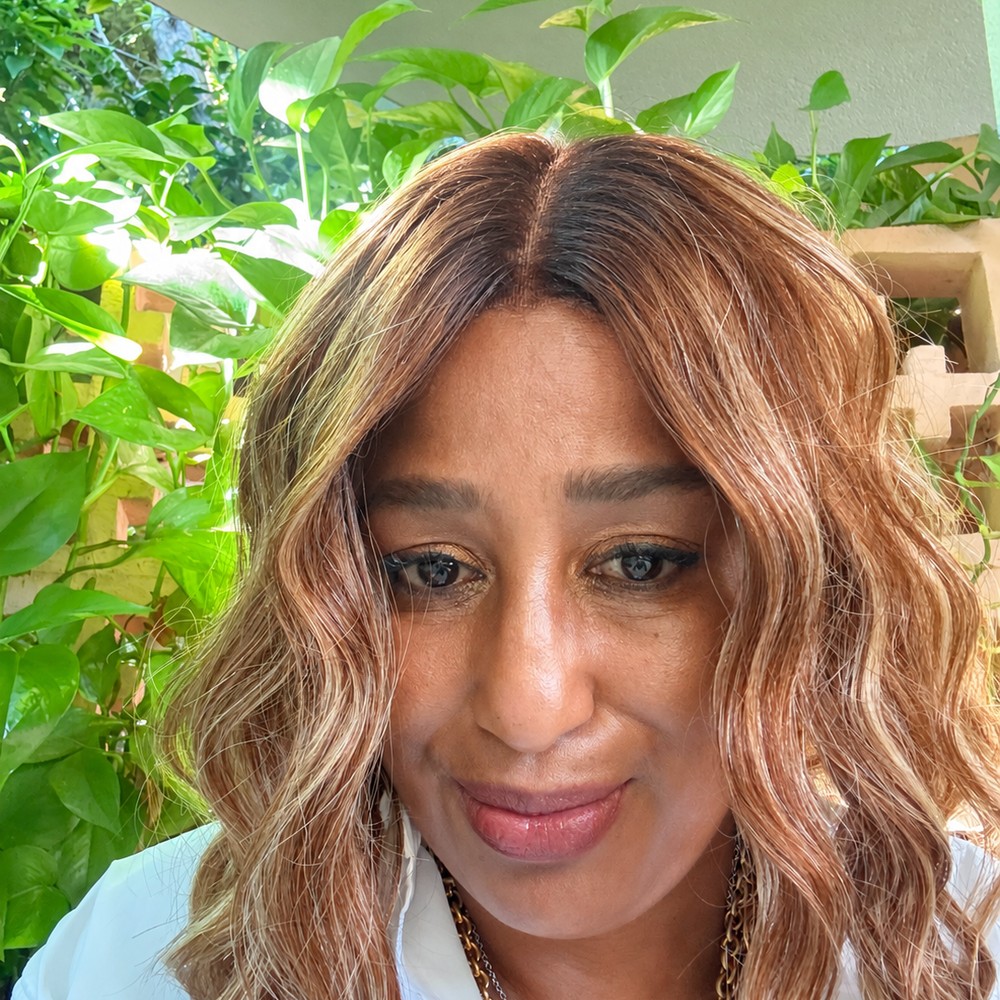
Creator | Host | Co-Executive Producer
Elle Schwartz is a behavioral analyst, writer, and the creator, host, and executive producer of The Good Edit Unfiltered, an award winning podcast that brings context to reality television. Born in Compton, California, she holds five degrees from private institutions, including the University of Southern California, and draws on her background in behavioral science to examine how production edits shape the stories audiences see on screen.
Launched in February 2026, The Good Edit Unfiltered covers The Real Housewives franchises, Vanderpump Rules, Summer House, The Valley, and Married at First Sight.
The show is produced under Layered Media Inc. and Rude Mood Media, with Schwartz serving as executive producer alongside Ric Swartzlander. Its signature series, the Reality TV Cultural Reckoning, and its Grammar of Conflict framework explore how race, culture, and casting influence the way reality stars are portrayed.
In its first year, the podcast won three 2026 Black Podcasting Awards (Best Producer, Best Daily Podcast, and Original Music) and multiple 2026 Davey Awards, including Gold for the Reality TV Cultural Reckoning series. It ranks number 1 all time in Indie Real Housewives on Goodpods.
Schwartz is a member of the Television Critics Association and a founding member and judge of the Open Podcast Awards. She is also a credited co writer on Kyla & the White Guy, a scripted comedy series optioned by Roku. She lives in Encino, California.
Short bio (for spots with tight character limits)
Elle Schwartz is a behavioral analyst, writer… Read More