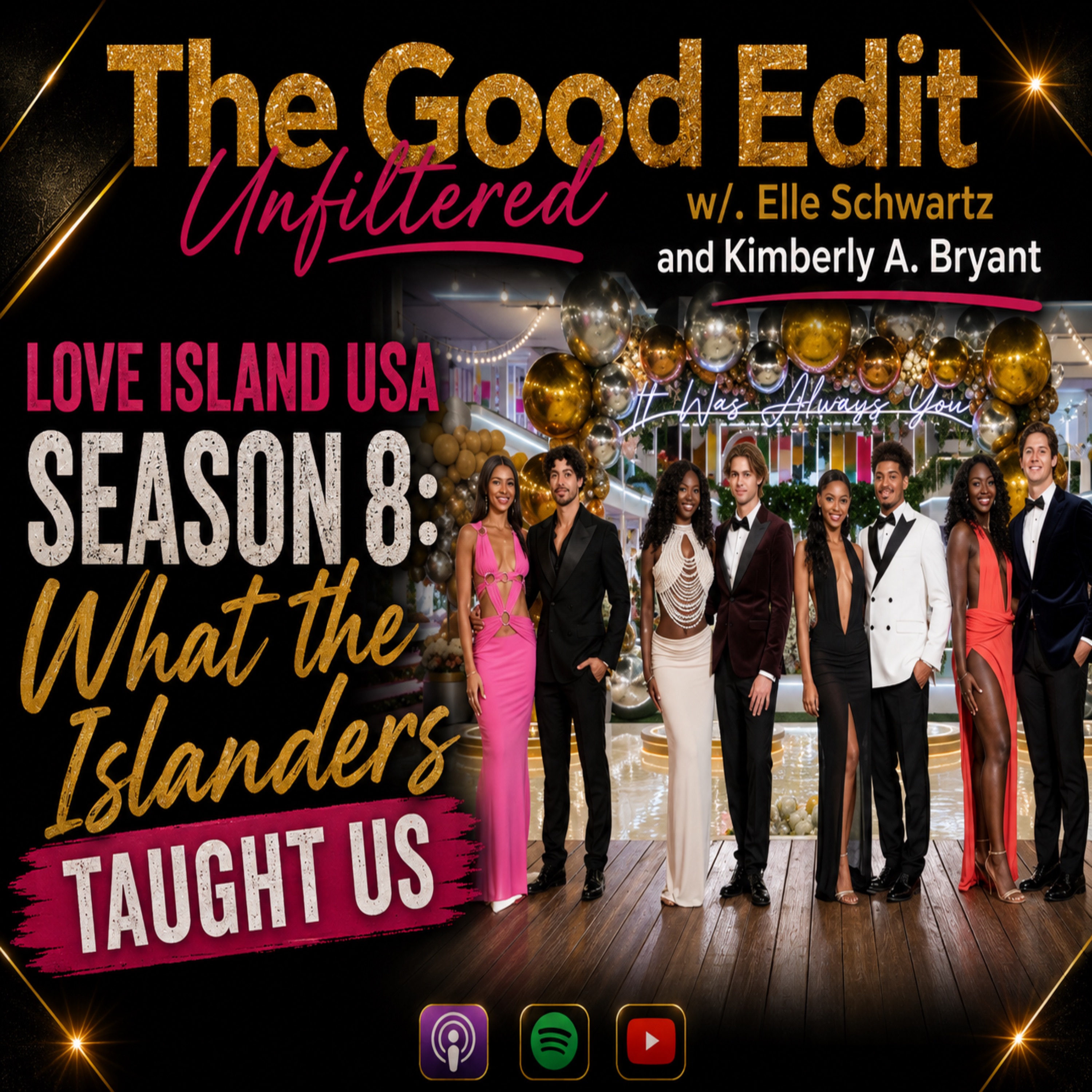
Why Love Island USA Season 8's Casting Shift Changes Reality TV Dating Forever
Love Island USA Season 8 shattered conventional reality TV dating tropes by featuring a predominantly cast of color and handling diverse identities without manufactured controversy. By allowing contestants to navigate romance, attraction, and conflict organically, the season established a refreshing cultural shift that redefines what audiences can expect from modern dating shows.
Key Takeaways
- Season 8 featured a largely cast of color that moved through romance and conflict without using race as a narrative crutch.
- Contestant Beatriz Hatz's journey as an amputee proved that inclusive casting works best when disabilities aren't weaponized for drama.
- Villa isolation acts as a powerful psychological accelerant, stripping away outside social pressures and forcing raw interpersonal attachments.
- Interracial couples on the show face unique regional scrutiny once they leave the controlled environment of the villa.
- Behavioral analysis reveals that younger generations approach dating with a notably different, more fluid lens regarding identity.
When evaluating reality television through a behavioral lens, the casting decisions behind a show are just as important as the dramatic edits that follow. For years, dating shows relied heavily on tired archetypes, manufactured culture clashes, and predictable storylines designed to provoke viewer outrage. Season 8 of Love Island USA broke this mold entirely. Rather than leaning into old production playbooks, the show trusted its ensemble to drive the narrative through authentic connection rather than engineered friction.
The Evolution of Dating Culture on Screen
One of the most striking elements of Love Island USA Season 8 is how effortlessly the contestants move past traditional boundaries of race, background, and identity. In past eras of reality television, casting a diverse ensemble often meant setting up predictable narrative lanes where contestants were forced to address their differences on camera. This season presented a stark contrast. The younger generation entering the villa appeared markedly less concerned with traditional identity markers when deciding who they wanted to pursue.
From a behavioral standpoint, this reflects a broader generational shift in dating psychology. Gen Z and younger millennials often approach romantic compatibility through shared values, emotional availability, and mutual attraction rather than adhering to rigid, culturally prescribed dating boxes. When these attitudes are translated onto a massive streaming platform, they normalize a type of fluid, unbothered romance that television historically failed to represent.
Inclusive Casting Versus Inclusive Editing
A critical distinction in modern reality TV analysis is the difference between inclusive casting and inclusive editing. Too often, reality shows cast diverse individuals only to edit their footage through a narrow, stereotypical lens that highlights conflict or plays into tired tropes. Season 8 demonstrated a rare alignment between what producers put on screen and the reality of how the cast interacted.
Consider the journey of Beatriz Hatz, a two-time Paralympian and Paris bronze medalist who entered the villa as an amputee. In a lesser-produced show, a contestant's physical difference might have been leveraged as a focal point for sympathy, inspiration porn, or manufactured insecurity. Instead, the villa treated Bea with normalcy. Nobody weaponized her disability, and the editing team refused to make it her entire storyline. This is the gold standard of inclusive casting: acknowledging a person's complete reality without exploiting it for shock value or cheap emotional beats.
The Psychology of Villa Isolation
It is impossible to discuss the success of Love Island without examining the unique psychological pressure cooker of the villa itself. Stripped of smartphones, social media, and outside contact, the islanders exist in an accelerated emotional ecosystem. Without the distractions of everyday life, every interaction carries heightened stakes.
Behavioral analysts note that isolation acts as an emotional magnifying glass. Attachments form faster, minor conflicts escalate with greater intensity, and vulnerabilities are exposed much earlier than they would be in a standard dating environment. While this environment makes for compelling television, it also creates a false sense of security. Couples forged inside the villa must eventually face external realities—such as regional cultural differences, unsupportive family reactions, and intense public scrutiny—once the cameras stop rolling.
Navigating Real-World Pressures After the Villa
The true test of any reality dating show couple begins the moment they step off the island. While connections like Aniya and Carl read as entirely unbothered and stable, other pairings face significant hurdles. Couples such as Melanie and Sincere carry immense post-villa risk, largely due to external family pressure, fragile public support, and behavioral indicators suggesting a reluctance to defend the partnership in the public eye.
Furthermore, interracial couples coming out of the show still absorb disproportionate amounts of criticism depending on the geographical regions they return to. The cultural bubble of the villa can protect relationships temporarily, but navigating the real world requires a level of resilience that initial villa infatuation cannot always sustain.
Conclusion
Love Island USA Season 8 proved that dating shows can evolve past cheap theatrics by leaning into authentic human behavior, diverse casting, and genuine relationship dynamics. To hear a deep dive into the reunion predictions, behavioral breakdowns, and all the nuanced takeaways from this historic season, make sure to Listen to the full episode. Join the Edittors community for ongoing, unfiltered reality TV analysis that takes the participants seriously as real people.
Frequently Asked Questions
What makes the casting of Love Island USA Season 8 different from previous seasons?
Season 8 featured a largely cast of color that navigated romance and conflict naturally, without producers using race as a manufactured storyline or narrative crutch.
Why was Beatriz Hatz's presence in the villa significant for reality TV?
As a Paralympian and amputee, Bea's storyline was groundbreaking because neither the cast nor the edit weaponized her disability for drama or sympathy, proving that inclusive casting can be handled with absolute normalcy.
How does villa isolation impact the behavior of the contestants?
Removing phones and outside contact creates an intense emotional pressure cooker that accelerates attachments, magnifies conflicts, and strips away external distractions.
Why do some couples face higher risks after leaving the show?
Couples often struggle post-villa due to external pressures like unsupportive family reactions, regional differences, public scrutiny, and the challenge of translating an isolated villa romance into the real world.