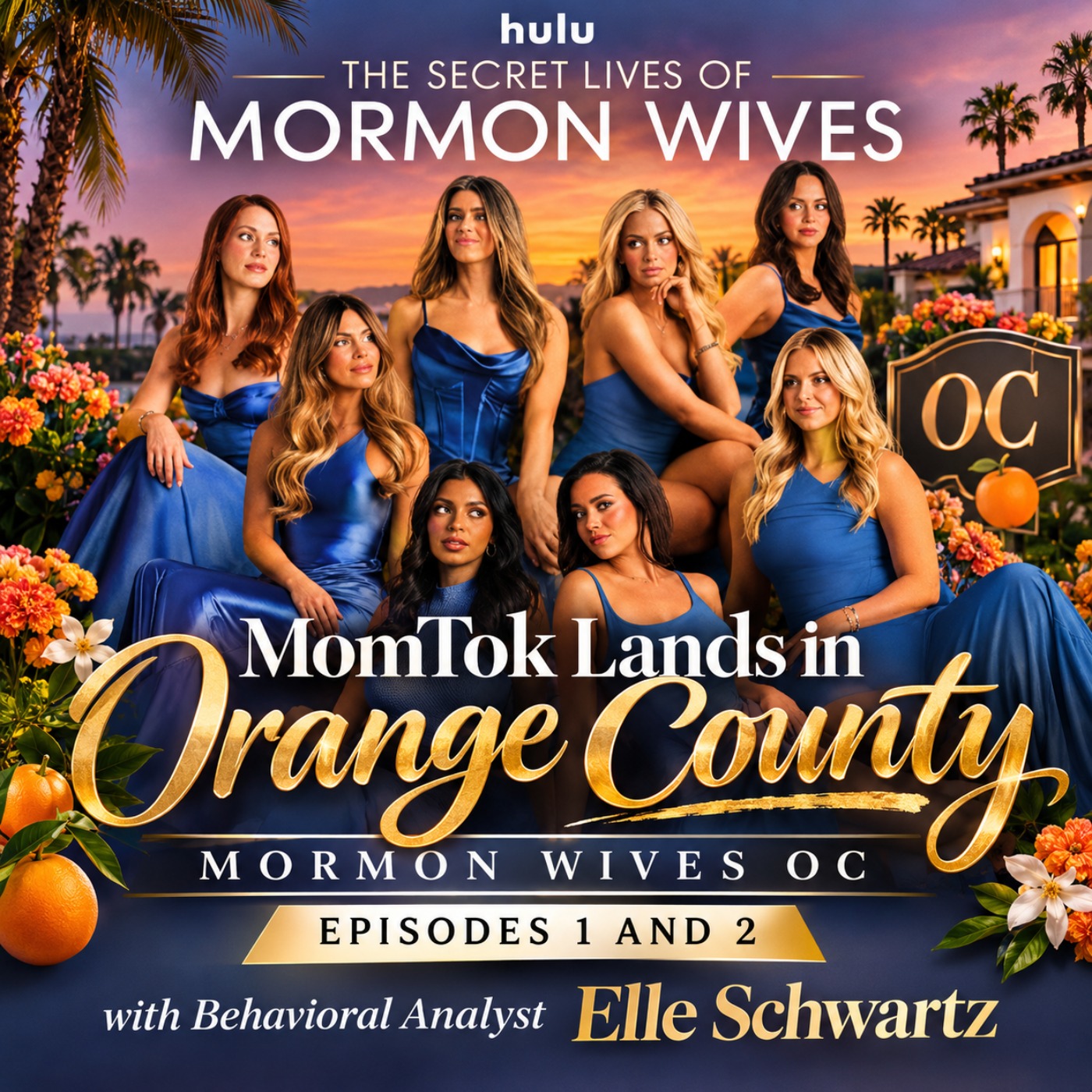
Mormon Culture vs. Reality TV: Deconstructing LDS Representation on Screen
When reality television intersects with strict religious communities, the resulting cultural clash often prioritizes sensationalism over authenticity. This deep dive examines how modern streaming shows depict LDS traditions, the tension between devout practices and influencer culture, and why behavioral analysis reveals hidden layers beneath heavily edited storylines.
Key Takeaways
- Reality television heavily compresses complex religious doctrines into digestible, highly dramatic storylines for mainstream audiences.
- The tension between traditional LDS values and modern social media influencer culture creates unique psychological pressures for cast members.
- Behavioral analysis reveals that public presentations of empowerment often mask deeper systemic conflicts regarding obedience and community expectations.
- Viewers must distinguish between authentic cultural representation and the artificial pressure cooker environments manufactured by production editing.
- Understanding foundational elements like baptism ages and community structures provides crucial context for interpreting on-screen behavior.
The Reality TV Lens on Religious Faith
Reality television has long found a lucrative niche in documenting subcultures, but few crossovers generate as much cultural friction as the intersection of strict religious upbringings and the glitzy, high-conflict world of unscripted TV. When devoutly raised individuals step in front of cameras, the production machinery immediately goes to work, framing centuries-old traditions and modern community standards through the narrow lens of interpersonal drama. For viewers tuning into these programs, the line between genuine cultural expression and manufactured provocation becomes increasingly blurred.
As behavioral analysts and media critics point out, production teams rely heavily on familiar reality TV tropes—such as betrayal, rebellion, and social ostracization—to drive engagement. However, applying these standard formulas to a community rooted in high-demand religious structures yields distorted results. The underlying nuances of faith, repentance, and communal standing are frequently flattened into simple talking points, leaving audiences with a caricature rather than a comprehensive portrayal. This disconnect invites heavy criticism from both cultural insiders who feel misrepresented and casual viewers who mistake edited television for sociological reality.
Navigating Bias and Spectacle
Approaching media representations of faith-based communities requires a conscious effort to separate personal biases from the spectacle on screen. Initial skepticism toward sensationalized premises often blinds viewers to the genuine human struggles occurring beneath the surface. While the aesthetics—ranging from immaculate styling to sun-drenched suburban backdrops—are clearly designed to captivate, the underlying behavioral patterns tell a much more complex story about identity renegotiation under a public microscope.
Influencer Culture Versus Traditional Doctrine
One of the most fascinating psychological dynamics to emerge from modern reality programming is the friction between rigorous religious expectations and the hyper-monetized, highly visible world of digital content creation. Platforms like TikTok and Instagram demand relentless self-promotion, aesthetic perfection, and boundary-pushing content. Conversely, many traditional religious frameworks place a premium on modesty, communal harmony, and adherence to established institutional hierarchies.
When cast members attempt to balance these diametrically opposed worlds, psychological strain is virtually inevitable. The pursuit of viral fame often encourages public conflict and individualistic rebellion, both of which can directly violate traditional community norms. Behavioral analysis of these dynamics reveals that public acts of defiance are frequently compensatory—performative displays of autonomy designed to appease an online audience while simultaneously triggering anxiety regarding spiritual and social standing within their offline communities.
The Cost of Public Rebellion
Rebellion on camera carries steep consequences in tight-knit religious enclaves. Unlike standard reality TV stars whose social circles are built around the industry, individuals emerging from faith-based communities risk alienation from their support systems, families, and lifelong peer groups. Consequently, the stakes of every televised argument are exponentially higher, giving real emotional weight to disputes that might otherwise read as trivial or manufactured.
Unpacking the Edit: Behavioral Insights
To truly understand what is happening on screen, viewers must look past the flashy title cards and dramatic musical cues to examine the underlying behavior of the participants. Editing is a powerful tool capable of manufacturing villains, amplifying minor disagreements, and completely altering the narrative trajectory of an entire season. Behavioral analysts focus instead on micro-expressions, defensive body language, and verbal inconsistencies that reveal authentic emotional states despite the heavy hand of production.
For example, sudden shifts from playful bravado to deep emotional vulnerability often indicate genuine distress caused by the cognitive dissonance of participating in a medium that fundamentally exploits personal conflict. Recognizing these tells allows sophisticated viewers to appreciate the human reality hidden behind the corporate gloss of a major streaming network production.
Conclusion
Navigating the complex waters of faith-based reality television requires a sharp eye, an open mind, and a willingness to question the narrative being fed to you by producers. Whether examining the psychological toll of digital fame or deconstructing the cultural implications of religious representation, looking deeper yields a much richer understanding of modern media. To hear a comprehensive, unfiltered breakdown of these dynamics, be sure to Listen to the full episode and join the ongoing conversation about how reality TV shapes our cultural perceptions.
Frequently Asked Questions
How does reality TV typically misrepresent faith communities?
Reality TV often compresses complex religious doctrines and community standards into rapid-fire interpersonal conflicts, prioritizing shock value and dramatic arcs over nuanced cultural education.
What is the psychological impact of balancing influencer culture with strict religious norms?
Participants frequently experience intense cognitive dissonance as they attempt to reconcile the individualistic, attention-driven demands of social media fame with community expectations of modesty and obedience.
Why is behavioral analysis useful when watching edited shows?
Behavioral analysis helps viewers look past manipulated production edits, dramatic music, and misleading storylines by focusing on genuine micro-expressions, body language, and authentic emotional tells.
How do cultural insiders generally view these mainstream media portrayals?
Many cultural insiders express frustration over sensationalized representations that exaggerate fringe elements while ignoring the day-to-day realities and genuine faith practices of the broader community.