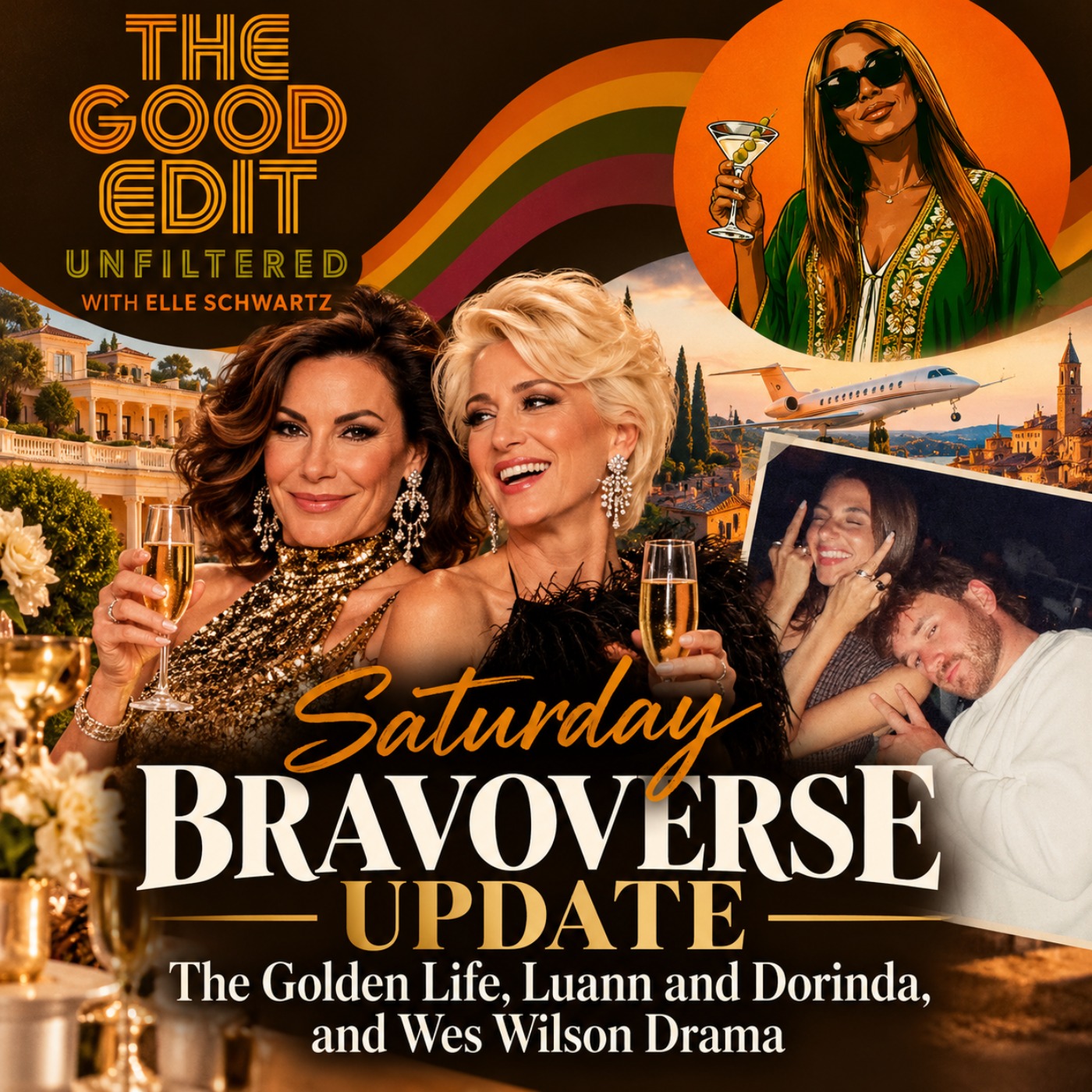
The Psychology of Reality TV Breakups: Analyzing Public Image Damage Control
When reality television couples hit rock bottom, the way they handle the public split can make or break their long-term public image. Behavioral analyst Elle Schwartz examines how reality stars manage public breakups, public relations strategy, and damage control tactics to avoid looking foolish when relationships collapse under the spotlight.
Key Takeaways
- Reality TV breakups often involve calculated public relations strategies rather than spontaneous fallout.
- Behavioral analysis reveals how public figures attempt to engineer a redemption arc or "good edit" in real time.
- Alleged incidents, such as handing out phone numbers or vague social media responses, serve as early testing grounds for public narrative control.
- Managing public perception requires preemptive damage control to avoid looking foolish or caught off guard.
- Audiences frequently spot the warning signs of trouble in paradise long before official public announcements are made.
The Anatomy of a Reality TV Breakup
Reality television couples live their relationships under a microscopic lens, where every glance, argument, and social media post is dissected by millions. When a relationship begins to fracture, the separation rarely stays private. Instead, it transforms into a public chess match where both parties must navigate fan reactions, media rumors, and personal pride. Behavioral analysts note that the initial stages of a reality TV split are rarely accidental; they are frequently managed through subtle hints, coded messaging, and strategic distancing.
Consider how public figures handle rumors of trouble in paradise. Rather than issuing immediate denials or direct confirmations, stars often test the waters. This trial period allows them to gauge public sympathy and test different narratives. If a partner is rumored to be engaging in questionable behavior—such as allegedly handing out phone numbers or giving evasive answers about their relationship status—the public reaction dictates the subsequent playbook. The goal is simple: control the narrative before the narrative controls you.
Navigating Public Perception and PR
When a relationship unravels publicly, the primary objective for the person attempting to protect their image is avoiding the "foolish" label. Fans are unforgiving when a cast member appears entirely blindsided or defensive. Therefore, preemption becomes a vital tool. By signaling trouble early or allowing certain rumors to leak, a reality star can subtly prepare their audience for the inevitable breakup announcement.
This calculated rollout helps soften the blow. Instead of an abrupt shock that leaves fans questioning the star's judgment, a slow-burn disclosure allows the audience to connect the dots themselves. Viewers feel validated for spotting the red flags early, and the star avoids the humiliating position of defending a crumbling relationship. It is a masterclass in modern reputation management, executed entirely through the court of public opinion.
The Search for the Ultimate Redemption Arc
In the ecosystem of reality television and pop culture commentary, securing a favorable public edit is the ultimate prize. When a relationship fails, escaping the fallout unscathed can feel nearly impossible. However, astute observers and reality stars alike know that a well-executed exit strategy can turn a PR nightmare into an unexpected redemption arc.
Behavioral breakdown of these scenarios shows that viewers deeply respect self-preservation. When a fan-favorite or even a heavily scrutinized cast member steps away from a toxic dynamic with dignity, public perception can pivot rapidly. The narrative shifts from pity or mockery to empowerment. It proves that how you leave a situation matters just as much as how you entered it.
Spotting the Red Flags Before the Split
Audiences are rarely wrong when they sense trouble in paradise. Long before official statements drop, subtle behavioral shifts give reality stars away:
- Sudden absence from each other's social media feeds or shared content.
- Evasive or defensive answers given to fans or media regarding relationship status.
- Solo appearances at major industry events or social gatherings.
- Cryptic quotes, likes, or shares hinting at personal growth, independence, or betrayal.
These micro-actions serve as breadcrumbs for an attentive audience, creating an engaged community of amateur sleuths who track every development in real time.
Conclusion
Navigating a public split requires a delicate balance of emotional resilience and strategic communication. As reality stars manage the fallout of broken relationships under the watchful eyes of fans and commentators, understanding the psychology behind public image damage control offers fascinating insight into modern fame. To hear a complete breakdown of these relationship dynamics and reality TV updates, be sure to Listen to the full episode for a deeper analytical dive.
Frequently Asked Questions
How do reality TV stars typically signal a breakup before an official announcement?
Stars often drop subtle hints by removing joint photos from social media, attending events solo, giving evasive answers to interviewers, or sharing cryptic posts that invite fan speculation.
Why is avoiding the 'foolish' label so important during a public split?
Public figures aim to avoid looking foolish because reality TV audiences can be harsh toward cast members who appear completely unaware of or defensive about their partner's questionable behavior.
What role does behavioral analysis play in understanding reality TV breakups?
Behavioral analysis helps decode the underlying motivations, defensive mechanisms, and public relations strategies reality stars use to manage their personal lives under media scrutiny.
Can a messy relationship end result in a positive public redemption arc?
Yes, if a cast member handles the separation with grace, establishes clear boundaries, and exits a toxic dynamic proactively, public perception can quickly shift in their favor.