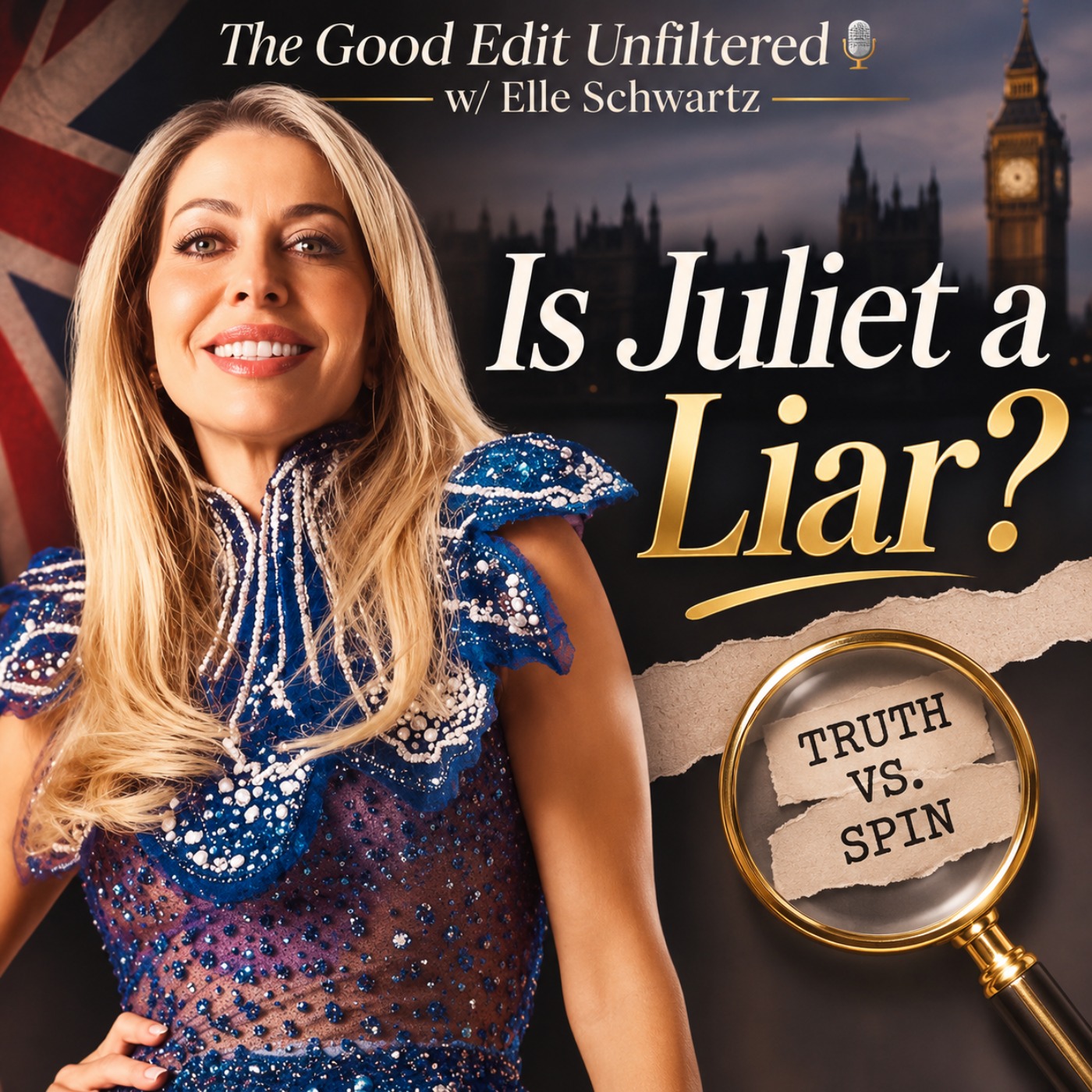
Real Housewives of London: Decoding Juliet Mayhew's Behavior and the Red Carpet Controversy
Analyzing the behavioral patterns of reality television stars reveals fascinating insights into authenticity and social dynamics. This deep dive examines Juliet Mayhew's controversial actions on the Real Housewives of London, evaluating group chat discrepancies, red carpet claims, and the psychological editing tactics that shape viewer perceptions of narrative honesty.
Key Takeaways
- Behavioral analysis of Juliet Mayhew uncovers recurring patterns of defensive communication and narrative manipulation within the group.
- The controversial red carpet incident raises questions about self-produced storylines and the lengths cast members go to manufacture status.
- Production editing actively highlights inconsistencies in Mayhew's explanations, framing her as the central enigma of the season.
- Group chat confrontations expose underlying fractures in cast loyalty and the strategic weaponization of private digital conversations.
- Understanding the edit helps viewers separate manufactured reality TV drama from authentic interpersonal conflict.
Behavioral Patterns and Defensive Communication
When analyzing reality television personalities from a behavioral standpoint, non-verbal cues and defensive mechanisms often speak louder than scripted dialogue. Juliet Mayhew's interactions with the Real Housewives of London cast exhibit classic indicators of image management under pressure. Throughout the season, whenever challenging topics arise—such as the contested group chat or her professional pursuits—her immediate reaction tends to rely on deflection rather than direct engagement.
Behavioral analysts look for micro-expressions of discomfort, shifts in posture, and the deployment of preemptive counter-attacks. In Mayhew's case, these tactics frequently manifest when the women attempt to pin down specifics regarding her schedule and external commitments. By framing herself as perpetually too busy or misunderstood, she creates a protective barrier against accountability. This pattern leaves the rest of the ensemble—and the audience—struggling to piece together where the performance ends and the genuine person begins.
The Anatomy of a Deflection
Deflection in high-stakes social environments serves a specific psychological purpose: ego preservation. When confronted with allegations regarding her background, acting career, or social standing, Mayhew rarely addresses the core accusation. Instead, she pivots to questioning the motives of her accusers. This rhetorical strategy effectively shifts the spotlight away from her own inconsistencies and places the burden of proof back onto the collective group. Viewers trained to spot these maneuvers quickly recognize that an over-defensive stance often masks deeper insecurities about authenticity.
The Red Carpet Controversy and Self-Production
One of the most compelling narrative threads surrounding Juliet Mayhew involves the explosive allegations regarding a specific red carpet appearance. In the ecosystem of a franchise like Real Housewives, the red carpet is not merely a photo opportunity; it is currency. It signifies relevance, demand, and industry standing. When rumors surfaced suggesting that Mayhew may have purchased or engineered her way onto a high-profile carpet rather than earning an organic invitation, it struck at the heart of her credibility within the group.
Self-production is the invisible hand guiding modern reality television. Cast members who actively curate their public-facing narratives often clash with those who demand raw transparency. The tension over Mayhew's fashion week appearances and red carpet moments highlights this friction. When a housewife attempts to project an elite lifestyle that does not align with the group's shared reality, friction is inevitable. The confrontation over these events exposed the widening chasm between how Mayhew wishes to be perceived and how her castmates actually experience her.
How Production Exposes the Fabrication
Reality TV editing is an art form rooted in contrast. The production team behind the Real Housewives of London does not simply record events; they contextualize them through strategic placement of confessional interviews, flashback sequences, and lingering reaction shots. By juxtaposing Mayhew's grand claims about her professional schedule with observational footage of her actual availability, the editors construct a subtle yet devastating critique. Behavioral analysis confirms that when production actively highlights these discrepancies, they are signaling to the audience to question the subject's baseline honesty.
The Group Chat Conundrum and Social Alliances
Digital communication platforms have become the primary battlegrounds for modern reality TV conflicts. The weaponization of group chats allows cast members to build secret coalitions, coordinate attacks, and trap rivals in verifiable contradictions. The dispute over the group chat involving Juliet Mayhew serves as a masterclass in modern social manipulation. Screenshots, digital receipts, and selective sharing create an environment of paranoia where no conversation is truly private.
Mayhew's navigation of the group chat fallout demonstrated a fundamental misunderstanding of contemporary reality television rules: digital footprints are permanent. When confronted with discrepancies between what was texted in private and what was performed in public, her inability to provide a coherent defense accelerated the group's consensus regarding her trustworthiness. Analyzing these dynamics reveals how rapidly social alliances can fracture when the foundation of the relationship rests on manufactured narratives rather than shared authentic history.
Conclusion
The overarching question dominating this season of the Real Housewives of London—whether Juliet Mayhew is fundamentally truthful—touches on the core paradox of the genre itself. Reality television thrives in the gray area between performance and reality. Through careful behavioral breakdown, it becomes clear that Mayhew's defensive postures, red carpet aspirations, and digital missteps are symptoms of a larger struggle to control an unmanageable narrative. To explore this behavioral breakdown even further and hear a comprehensive analysis of every dramatic shift, Listen to the full episode of The Good Edit Unfiltered. Dive into the daily drops for more expert reality TV recaps, character psychology breakdowns, and deep dives into the edits behind your favorite Bravo storylines.
Frequently Asked Questions
What behavioral signs indicate Juliet Mayhew is being defensive?
Behavioral analysts note that Juliet Mayhew frequently relies on deflection, pivoting away from direct questions about her schedule or background to question the motives of her accusers, which is a classic psychological defense mechanism.
Why is the red carpet controversy such a big deal on the show?
In the world of Real Housewives, red carpet appearances represent industry standing and relevance. Allegations that a cast member purchased or engineered their own access threaten the group's shared standard of authentic social status.
How does production editing influence the perception of Juliet Mayhew?
Production strategically juxtaposes Mayhew's grand claims with contradictory footage and confessional commentary, effectively signaling to viewers that her narratives warrant skepticism.
What role do digital group chats play in the Real Housewives of London drama?
Group chats serve as battlegrounds for alliances and evidence collection. Discrepancies between private texts and public statements expose cast members to immediate credibility challenges.