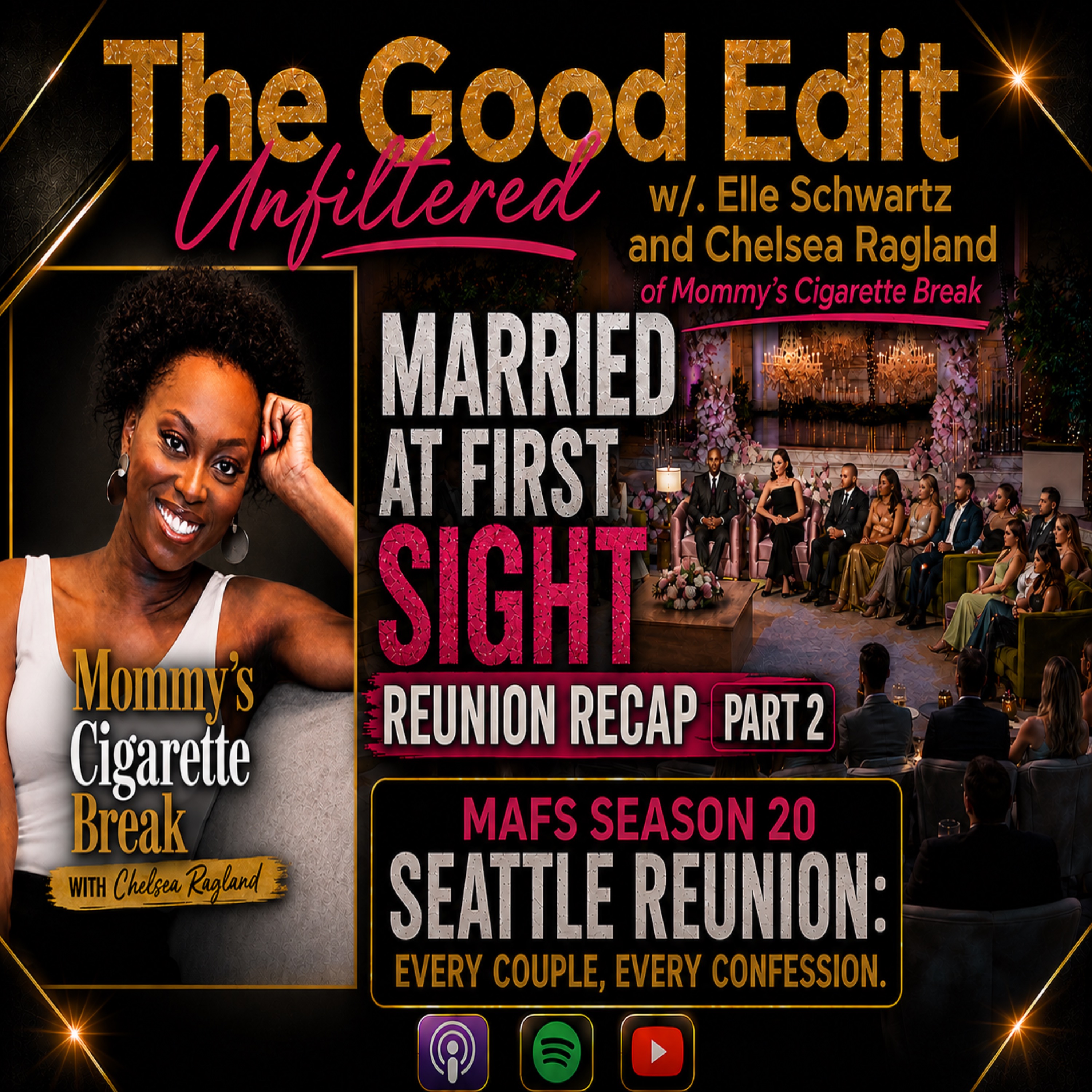
Why Reality TV Backlash Costs Real Jobs: The Sean Best MAFS Fallout
When reality television transcends entertainment and bleeds into professional employment, the consequences can be immediate and severe. This deep dive examines the off-screen fallout of Married at First Sight Season 20, analyzing how public outrage, social media scrutiny, and dramatic television editing combined to alter a cast member's career trajectory permanently.
Key Takeaways
- Reality TV editing shapes public outrage that frequently crosses over into real-world professional consequences for cast members.
- Sean Best's departure from his role at Olympic College followed intense social media backlash over on-screen intimacy comments.
- The blurry line between an administrative professional's public persona and private reality television editing creates unprecedented HR crises.
- Behavioral analysis of reality TV reveals how mirror-match relationship dynamics escalate editing narratives beyond repair.
The Intersection of Reality TV and Real-World Employment
For decades, participants on reality television series understood the baseline risks: unflattering edits, dramatic fanbases, and temporary social media pressure. However, as reality TV production has evolved into a hyper-focused mechanism of character creation and destruction, the stakes have risen exponentially. When a participant holds a high-profile administrative position in education, public service, or corporate leadership, the friction between their on-screen narrative and off-screen professional reality becomes a powder keg.
The case of Sean Best on Married at First Sight Season 20 illustrates this modern phenomenon with stark clarity. As a Vice President of Diversity, Equity, and Inclusion at Olympic College, Best stepped into a national television experiment carrying a professional reputation built over years of academic and administrative service. Yet, once the cameras captured the unraveling of his on-screen marriage, the safeguards separating his personal television appearance from his institutional responsibilities quickly dissolved.
How On-Screen Comments Spark Digital Backlash
The controversy surrounding Best crystallized around specific episodes featuring intense discussions regarding physical intimacy and marital expectations with his on-screen partner. In the insular, high-stress environment of Married at First Sight, communication breakdowns happen frequently. However, when these friction points are packaged for a national audience, the nuances of mutual frustration are often flattened into easily digestible hero-and-villain archetypes.
Viewers taking to social media platforms did not just critique the marital dynamic; they redirected their frustration toward Best's professional employer. Online campaigns questioned whether his behavior on screen aligned with the values expected of an institutional leader holding a high-ranking diversity and inclusion portfolio. This digital mobilization transformed a localized marital dispute into a public relations crisis for Olympic College.
Institutional Response and the Reality TV Exit Ramp
By August 2026, the mounting public pressure forced administrative action. Olympic College President Dr. Chantae Recasner announced Best's departure in an email to staff, noting that he was no longer with the institution while leaving the precise distinction between resignation and termination unconfirmed. Best subsequently addressed his exit on social media, expressing gratitude for his time in the Pacific Northwest and framing the transition as closing a chapter.
This sequence of events raises critical questions about the responsibility of production companies and networks in protecting cast members. While participants sign extensive waiver agreements acknowledging the potential for negative public reception, the modern digital landscape weaponizes edited television moments in ways that outpace traditional crisis management strategies. Educational institutions and corporate employers are increasingly unwilling to weather the social media storms generated by reality television controversy, leaving cast members vulnerable to severe professional collateral damage.
The Mirror-Match Phenomenon and the Edit
Understanding the backlash requires examining how the show constructed the narrative leading up to it. Behavioral analysis of the season points to a classic mirror-match dynamic—two prideful individuals feeding off each other's pettiness, each entirely convinced the other initiated the conflict. When a relationship begins without foundational attraction and suffers from early misunderstandings regarding communication styles, the edit capitalizes on every defensive reaction.
For viewers watching at home, the temptation is to view the resulting conflict in absolute terms. The edit emphasizes delivery over intent, heightening emotional outbursts while minimizing the underlying exhaustion and mutual invalidation taking place behind the scenes. Consequently, the public backlash often targets one participant disproportionately, ignoring the systemic failures of the matchmaking process itself.
Conclusion
The story of reality TV employment fallout underscores why context matters. Shows like Married at First Sight cast individuals for dramatic narrative arcs rather than sustainable compatibility, and when the inevitable collision occurs, the fallout extends far beyond the television screen. To hear a deeper behavioral breakdown of the reunion dynamics, the editing choices, and the wider implications of this season, be sure to Listen to the full episode.
Frequently Asked Questions
What role did Sean Best hold outside of Married at First Sight?
Sean Best served as the Vice President of Diversity, Equity, and Inclusion at Olympic College in Washington state before stepping down following public backlash.
Did Olympic College fire Sean Best?
Olympic College did not officially confirm whether Best resigned or was terminated. College leadership stated only that he was no longer employed by the institution following online controversy.
How does the edit impact off-screen professional careers for reality TV stars?
Reality television edits often emphasize dramatic, conflict-heavy moments while stripping away vital context. When viewers react with intense online outrage, institutional employers face immense public pressure to distance themselves from the controversy.
Where can I hear a full breakdown of the MAFS Season 20 reunion dynamics?
You can listen to the complete scene-by-scene analysis by visiting Listen to the full episode of The Good Edit Unfiltered.