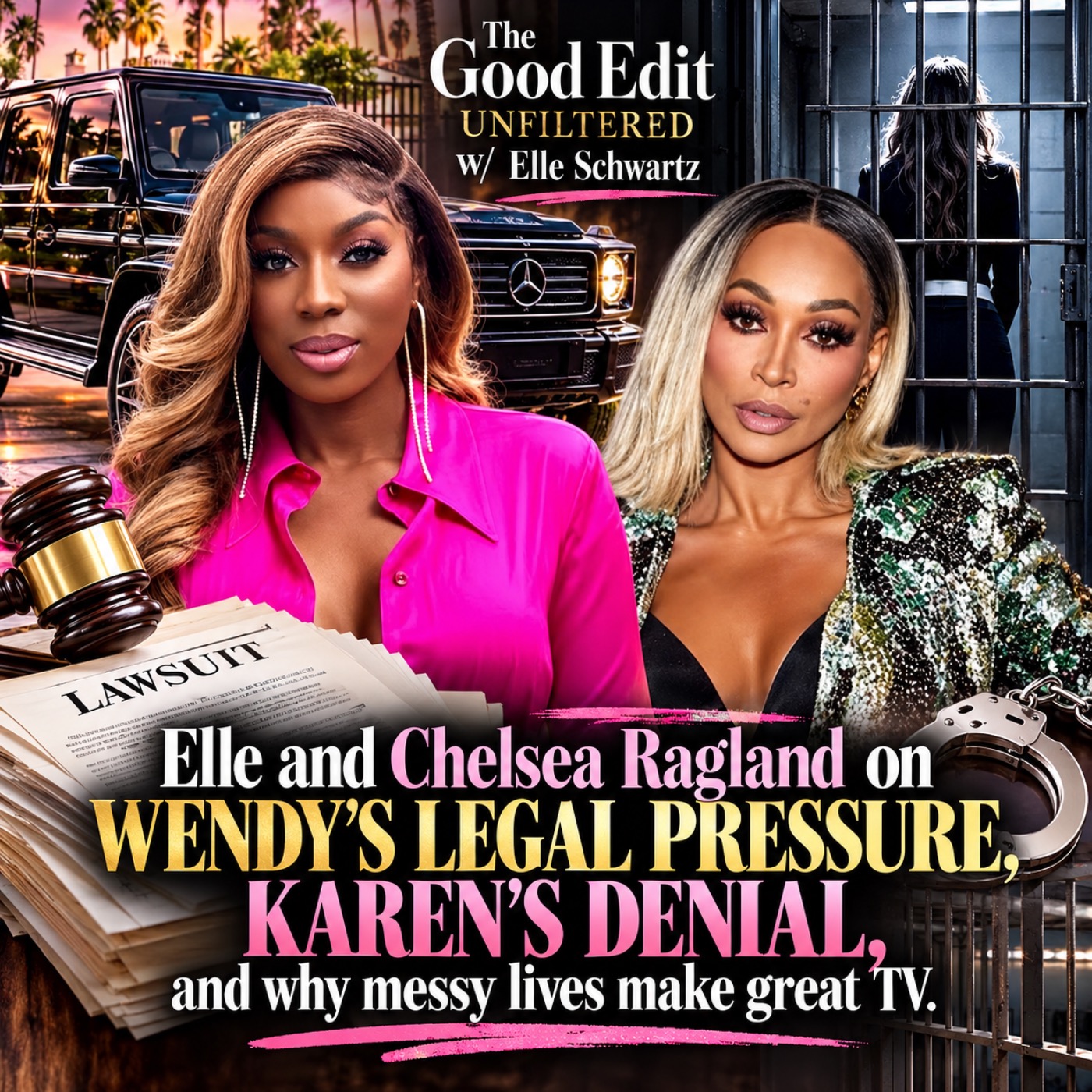
Why Reality TV Stars Need to Build Their Redemption Arcs Off Camera
When reality television personalities attempt to rehab their public image in front of the lens, the results are rarely convincing. This comprehensive guide explores why manufacturing a redemption storyline while cameras roll usually alienates audiences, why high-end status symbols backfire during personal controversies, and how true character transformation requires privacy away from the relentless Bravo production machine.
Key Takeaways
- Attempting to manufacture a redemption arc while cameras are rolling almost always backfires with viewers.
- High-ticket status symbols, like brand new luxury vehicles, rarely translate to sympathy or relatable growth for audiences facing legal scrutiny.
- Viewers connect deeply with authentic vulnerability rather than polished, highly produced defenses of real-life chaos.
- The editing process on networks like Bravo can either amplify or dismantle a housewife's carefully crafted narrative.
- True character transformation requires private processing time away from the relentless pressure of reality television production schedules.
The Illusion of the On-Camera Redemption
Reality television thrives on conflict, chaos, and the messy unraveling of real human lives. Yet, when a cast member finds themselves embroiled in legal disputes, financial rumors, or personal scandals, the immediate instinct is often damage control. They step in front of the cameras determined to project strength, innocence, and unshakeable resilience. Unfortunately, this performative resilience rarely works the way they intend.
From a behavioral standpoint, audiences possess a finely tuned radar for inauthenticity. When someone sits on a velvet couch and delivers rehearsed talking points about turning a new leaf, viewers instinctively pull back. The fundamental flaw of the on-camera redemption arc is the setting itself. Television production is designed to dissect, question, and provoke. Trying to heal, reflect, or correct past mistakes under bright studio lights and among rival cast members is like trying to perform surgery in the middle of a mosh pit. The environment is entirely antithetical to actual introspection.
Furthermore, the structure of reality TV editing ensures that any cracks in the armor will be highlighted. If a housewife claims she has moved past a controversy, the editors are primed to splice in flashbacks that contradict her narrative. The camera catches the heavy sigh, the defensive eye-roll, or the slip of the tongue that reveals the underlying anxiety. Instead of looking redeemed, the star often looks defensive, reinforcing the very doubts the audience held in the first place.
The Danger of Material Distractions
One of the most fascinating miscalculations cast members make when attempting to rewrite their narrative is the deployment of luxury status symbols. Whether it is walking onto a set in designer couture or showcasing a brand new, high-end vehicle like a pristine G Wagon, the underlying message is almost always misread by the viewing public.
When a public figure is dealing with serious off-screen legal battles or financial scrutiny, rolling up in a quarter-million-dollar truck to prove that everything is fine does not inspire confidence or empathy. To the everyday viewer, it signals a profound disconnect. Instead of communicating success or triumph over adversity, it reads as defiant materialism. Audiences do not look at the shiny vehicle and think, "What a triumphant comeback." They look at it and wonder about priorities, accountability, and self-awareness.
A true redemption story requires humility. It requires acknowledging the weight of a situation and showing respect for the gravity of real-life consequences. When stars lean into superficial displays of wealth as a substitute for emotional transparency, they trade genuine connection for temporary validation, a trade that never pays off in the long run.
Why Audiences Crave Real Vulnerability Over Polish
The golden rule of reality television fandom has evolved significantly over the years. Early seasons rewarded the grand orchestrators of drama—the villains who owned their villainy and the perfectionists who kept their houses immaculate. Today, however, the audience landscape is far more sophisticated. Viewers are exhausted by the polished, PR-vetted act.
Behavioral analysis shows that human beings bond over shared struggles, imperfections, and the awkward process of growth. When a reality star pretends that their life is entirely under control despite mounting evidence to the contrary, viewers feel patronized. We want to see the mess. We want to witness the moment a person drops the mask, admits they made a massive mistake, and commits to doing the hard, quiet work of changing their behavior.
This is precisely why off-camera redemption holds so much more power. When a public figure steps away from the fray, deals with their legal or personal challenges in private, and returns later with a genuinely altered perspective, the audience can feel the difference. There is a calm assurance that comes from quiet processing—an energy that cannot be faked for a 30-second confessional interview.
The Role of the Edit in Shaping Perception
It is impossible to discuss reality television without acknowledging the massive influence of the cutting room. Producers and editors construct a storyline based on the raw footage they are handed, but they are also constrained by the raw material itself. If a cast member spends all their screen time spinning a narrative of victimhood or invincibility, the editors have no choice but to shape that narrative into the final product.
However, when a participant understands how the edit works, they often try to outsmart it by scripting their own scenes. This tactical approach backfires because editors love nothing more than poking holes in a constructed facade. The best way to beat the edit is not to try to control it, but to refuse to play the game entirely. Stepping back, addressing real-life chaos in the real world, and letting time do the heavy lifting is the ultimate defense against a hostile or sensationalized edit.
Conclusion
Building a redemption arc while the cameras are rolling is an exercise in futility. Between the trap of material distractions, the relentless scrutiny of the viewing public, and the unforgiving nature of the reality TV editing process, trying to heal on screen almost always results in a PR disaster. True growth requires humility, privacy, and time away from the spotlight.
To hear a deeper, scene-by-scene behavioral breakdown of how reality stars navigate their public image, legal troubles, and franchise drama, Listen to the full episode. Join the community of Edittors and discover why context changes everything you thought you knew about your favorite unscripted shows.
Frequently Asked Questions
Why do reality TV redemption arcs fail when filmed?
When stars try to rehabilitate their image on camera, the performance often feels calculated and defensive rather than genuine, triggering skepticism from viewers who prefer unscripted vulnerability.
How does the Bravo editing room impact a cast member's storyline?
Editors piece together scenes to highlight friction, contradictions, or defensive reactions, which can completely undermine a housewife's attempt to present a clean redemption narrative.
What is the danger of flashing luxury items during a personal crisis on television?
Displaying high-end purchases, such as a brand new luxury SUV while navigating legal or financial stress, creates a disconnect with the audience and alienates viewers looking for relatable accountability.
Why is off-camera processing better for personal growth?
Stepping away from the spotlight allows individuals to address underlying personal issues without the performance anxiety, audience scrutiny, and manufactured drama inherent to reality television production.