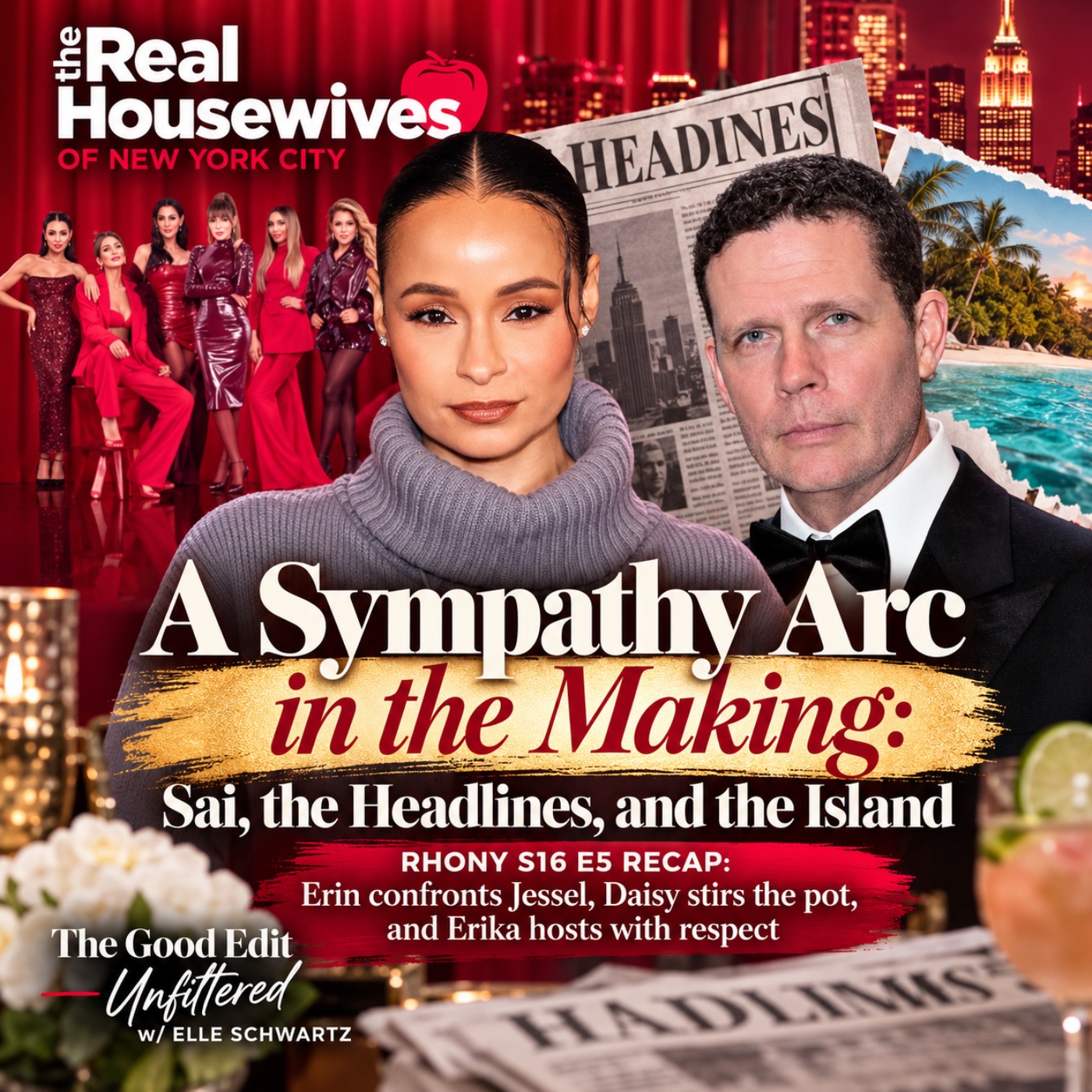
RHONY Private Island Dynamics: Old Money vs New Money Table Manners
When Real Housewives of New York City cast members descend on Erika Hammond's private island retreat in Season 16, the trip exposes a fascinating clash of socioeconomic positioning. By analyzing table behavior, luxury reception, and interpersonal tension through a behavioral lens, we explore how old wealth codes contrast sharply against new money insecurities during high-stakes group getaways.
Key Takeaways
- Private island cast trips function as psychological pressure cookers that instantly expose the behavioral differences between old wealth and new money postures.
- Subtle micro-expressions and respect for host property rules signal a cast member's internalized social status versus performative luxury displays.
- The person with the lowest perceived status in a high-wealth environment frequently defaults to becoming the loudest critic of the group dynamics.
- Material flexes like a $2,000 designer dress worn in the rain highlight the desperate desire to anchor one's identity to superficial status markers.
- Behavioral analysis reveals that wealth-adjacent friendships often mask deep-seated anxieties about authenticity and belonging among elite social circles.
The Psychology of Private Island Trips in Reality TV
When production teams drop a reality television ensemble onto a secluded piece of land like Erika Hammond's private island, they are not just providing a scenic backdrop for drama. They are constructing an isolated psychological laboratory. In behavioral terms, removing cast members from their familiar urban environments and placing them in an exclusive, highly controlled ecosystem strips away their usual coping mechanisms. On Moskito Island and similar private estates, the physical boundaries mirror emotional boundaries.
Hosts like Erika Hammond establish an immediate authority simply by virtue of ownership or primary association with the space. How visiting cast members respond to that domain tells an immediate story. True comfort with wealth looks like quiet stewardship and mutual respect for the environment. Conversely, discomfort manifests as overcompensation—loud critiques of the accommodations, unnecessary displays of opulence, and an urgent need to assert dominance within a space that belongs to someone else.
Old Money vs. New Money: Decoding the Table Manners
The dining room table on a Real Housewives trip is where socioeconomic stratification becomes painfully visible. During the Season 16 island dinner, the contrast between effortless class indicators and performative wealth was on full display. Old money codes historically prioritize understated elegance, hospitality, and an intentional lack of pretense. New money dynamics, however, often rely on loud signifiers, brand-dropping, and defensive posturing when insecurities are triggered.
The $2,000 Dress in the Rain Phenomenon
Consider the visual absurdity of wearing an expensive designer garment completely unsuited for the weather conditions just to secure a camera angle or prove a financial bracket. When a cast member ruins a $2,000 dress in the rain, it represents a profound behavioral mismatch. Rather than adapting to the reality of the environment—a core tenet of genuine sophistication—the individual prioritizes an artificial projection of status.
Behavioral analysts view this as a classic symptom of status anxiety. When someone feels fundamentally insecure about where they sit in the hierarchy of a group, they lean heavily into external props. The outfit stops being clothing and starts acting armor against perceived inadequacy.
Why the Person with the Least Status is the Loudest Critic
A recurring behavioral pattern across reality television is that the cast member holding the most precarious social standing is almost always the most vocal critic of the host or the group's rules. This phenomenon is rooted in displacement and projection. When an individual feels threatened by the established hierarchy of a group—whether it involves wealth, longevity on the show, or authentic social ties—they cannot safely challenge the apex members directly.
Instead, they target peripheral elements of the trip, nitpick the itinerary, or challenge the host's hospitality. By finding fault with the venue or the rules of the island, they attempt to invert the power dynamic. If they can convince the group that the host's domain is flawed, they temporarily relieve their own feelings of inferiority. It is a defensive maneuver disguised as independence or high standards.
Navigating Wealth-Adjacent Friendships
Group dynamics are further complicated by proximity to affluence, as seen in Jessel Taank's wealth-adjacent friendships and the resulting tension with castmates like Erin Lichy over real estate matters in the Hamptons. Wealth adjacency occurs when an individual orbits significant capital or high-status lifestyles without necessarily holding the primary keys to the kingdom. This creates a fascinating behavioral tightrope.
On one side, there is the temptation to leverage that proximity for social clout. On the other side, there is the constant fear of being exposed as an outsider. When minor issues—such as a flooded home or a misinterpreted comment—arise, they instantly turn into proxy wars for deeper insecurities about who truly belongs in elite New York social circles.
Conclusion
Reality television gives us a front-row seat to human nature under a microscope. Analyzing the subtle codes of wealth, status anxiety, and island dynamics reminds us that these television moments are rich case studies in how people navigate insecurity, power, and perception.
For a complete, scene-by-scene behavioral breakdown of this episode—including the shocking headlines surrounding real-life events and what they mean for the broader cast dynamics—make sure to Listen to the full episode. Join the community of Edittors and subscribe for more unfiltered reality TV analysis.