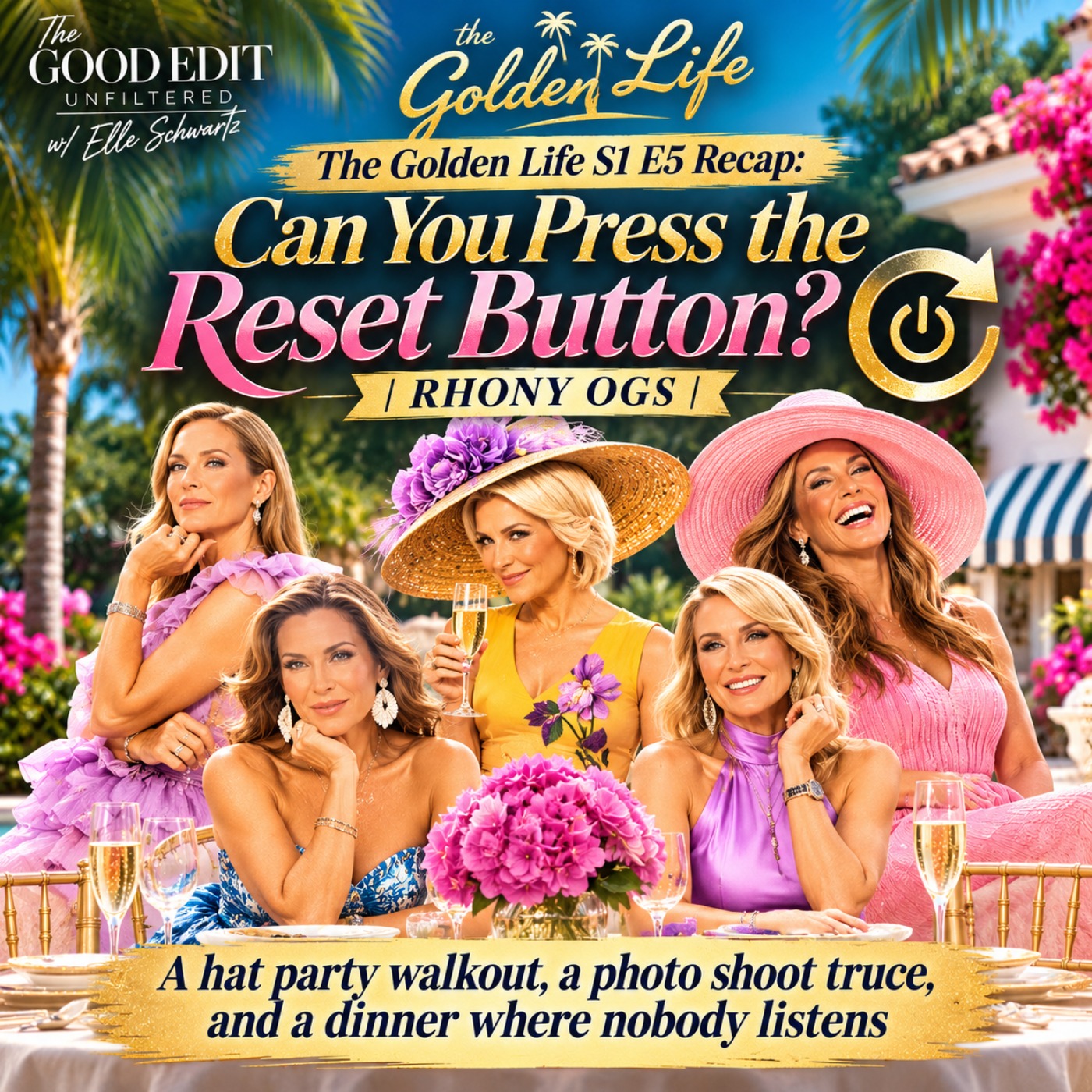
Sonja Morgan Cesspool Outburst: A Behavioral Breakdown of the Hat Luncheon Drama
When Sonja Morgan storms out of Dorinda Medley's hat luncheon yelling "Cesspool!," it provides a masterclass in reality TV conflict dynamics. This comprehensive behavioral analysis examines the psychological triggers, group intervention tactics, and defensive mechanisms that turned a simple luncheon into an explosive flashpoint.
Key Takeaways
- Sonja Morgan's 'cesspool' exit represents a classic defensive retreat under social pressure.
- Dorinda Medley's strict adherence to event rules creates an unyielding social boundary.
- Ramona Singer's intervention attempt shifts the group dynamic from confrontation to mediation.
- Luann de Lesseps' dismissal of the incident frames Sonja's behavior as an isolated pattern.
- Behavioral analysis reveals how reality TV editing amplifies pre-existing relational tensions.
Anatomy of a Reality TV Meltdown
The hat luncheon incident on The Golden Life is more than just standard unscripted drama; it is a fascinating case study in group psychology. When high-status personalities with decades of shared history collide in a confined social setting, minor slights easily cascade into major blowups. Sonja Morgan's decision to exit the gathering while hurling the term "cesspool" backward into the room is a textbook example of reactive emotional flooding.
From a behavioral standpoint, emotional flooding occurs when an individual's nervous system becomes entirely overwhelmed by perceived hostility or criticism. Rather than processing the ongoing dialogue, the individual seeks an immediate physical escape while utilizing verbal hyperbole to regain a sense of power. Calling the luncheon a cesspool allows Sonja to project the toxicity of the environment outward, justifying her abrupt departure to both the cameras and herself.
Dorinda Holding the Line
In any conflict analysis, the counterparty is just as crucial as the catalyst. Dorinda Medley's response to Sonja's dramatic exit is characterized by what behavioral analysts call "holding the line." Instead of chasing Sonja, apologizing, or softening the atmosphere, Dorinda maintains her boundaries and refuses to absorb the chaos. This rigid stance forces the remaining cast members to reckon with the disruption on Dorinda's terms.
Dorinda's refusal to bend creates a pressure cooker environment for the other attendees. When a host firmly establishes that they will not cater to a meltdown, the psychological burden of managing the situation shifts to the rest of the ensemble. This dynamic invites external players to step into the vacuum and attempt to restore order.
The Interveners: Ramona and Luann
Whenever a core conflict erupts in this veteran ensemble, the supporting cast quickly divides into distinct intervention archetypes. In this scenario, Ramona Singer steps into the role of the self-appointed interventionist, while Luann de Lesseps adopts a position of detached minimization.
Ramona's instinct to fix, manage, or comment on the escalation stems from an urge to regulate the group's collective anxiety. However, her intervention often exacerbates the tension by centering her own perspective on how the event should unfold. On the other hand, Luann's dismissal of the outburst as simply "a Sonja problem" serves as a psychological distancing mechanism. By pathologizing Sonja's behavior as an isolated, recurring quirk rather than a systemic group issue, Luann protects her own peace and absolves the broader group of any complicity in the tension.
Authenticity Versus the Edit
Decoding moments like the hat luncheon requires separating genuine behavioral triggers from the producer-driven narrative. Reality television editing relies heavily on pacing, reaction shots, and sound design to heighten the emotional stakes of a social gathering. While Sonja's anger was undeniably real, the framing of the event emphasizes the cyclical nature of these friendships. The veterans know each other's psychological pressure points intimately, and they weaponize that history for maximum dramatic impact.
Conclusion
The hat luncheon clash on The Golden Life underscores the complex choreography of friendship, aging in the spotlight, and unscripted conflict. Whether viewed through the lens of psychology or pure entertainment, these moments reveal the intricate defense mechanisms cast members rely on when pressure mounts. For a deeper dive into the cast dynamics, authenticity, and editing behind this unforgettable moment, Listen to the full episode of The Good Edit Unfiltered.
Frequently Asked Questions
What caused Sonja Morgan to call the luncheon a cesspool?
Sonja's outburst was triggered by escalating social friction and emotional flooding during Dorinda's hat luncheon, leading her to use dramatic hyperbole as she made a hasty exit.
How did Dorinda Medley respond to the dramatic exit?
Dorinda chose to hold her ground, maintaining strict event boundaries rather than chasing after Sonja or attempting to appease the sudden disruption.
What role did Ramona Singer play during the confrontation?
Ramona attempted to act as an interventionist, trying to manage the group's reaction to the sudden drama and steer the social atmosphere back on track.
Why did Luann de Lesseps dismiss the incident?
Luann categorized the outburst simply as a recurring 'Sonja problem,' using this psychological distance to avoid taking on the collective stress of the argument.