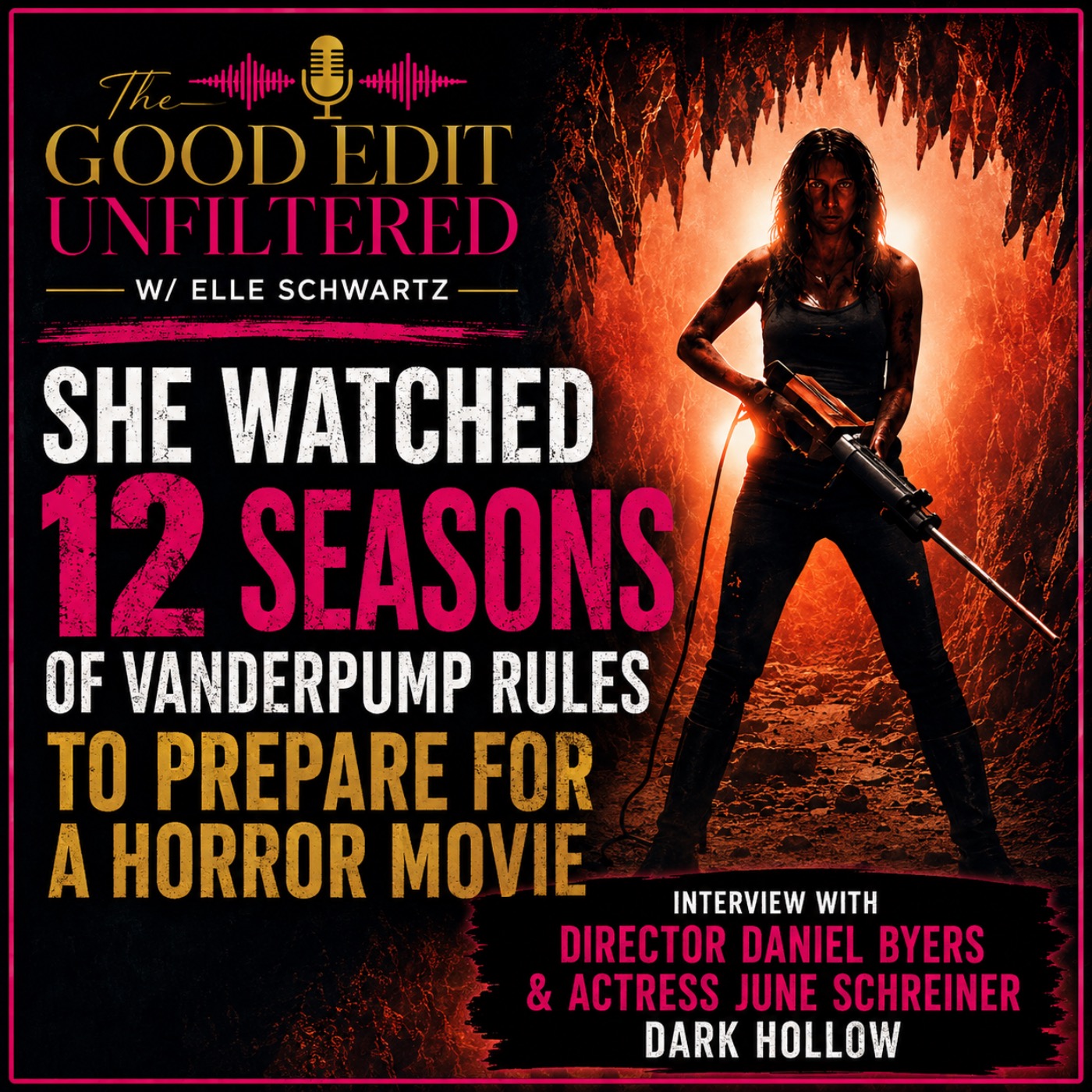
How Watching Vanderpump Rules Prepared an Indie Horror Star for Dark Hollow
When actors prepare for a terrifying folk horror role, they typically study classic cinema, method acting techniques, or psychological thrillers. However, actress June Schreiner took an entirely unconventional approach for her role in the indie creature feature Dark Hollow: she binged twelve seasons of Vanderpump Rules. By studying how unscripted television personalities navigate social manipulation, emotional breakdowns, and high-stakes interpersonal conflict, Schreiner unlocked a masterclass in behavioral anxiety that translated seamlessly into cinematic dread.
Key Takeaways
- Reality television offers an accidental masterclass in studying human manipulation, group dynamics, and high-stakes behavioral shifts under pressure.
- Indie horror film Dark Hollow draws on West Virginia coal mining history and real economic displacement to build authentic dread.
- Studying unscripted television helps actors understand how manufactured tension and unscripted psychological breaking points mirror cinematic terror.
- Practical effects and authentic shooting locations deepen the visceral realism of folk horror when paired with grounded character study.
The Intersection of Reality TV and Horror Acting
At first glance, the glamorous, drama-filled world of West Hollywood cocktail lounges and a dark, claustrophobic West Virginia coal mine have nothing in common. Yet, both environments thrive on extreme psychological pressure. In reality television, participants are constantly subjected to social isolation, manufactured conflicts, and intense emotional scrutiny. They develop hyper-vigilance, scanning every room for threats, alliances, and shifts in power.
For an actor playing a mother searching for her missing husband in a mine infested with an ancient cryptid known as the Coal Man, that hyper-vigilance is invaluable. Horror relies heavily on the internal state of the protagonist. How does a person react when their reality fractures? How do they behave when trust is completely eroded? By analyzing how reality stars react when their social worlds collapse, Schreiner tapped into raw, unscripted panic that elevated her performance far beyond standard genre tropes.
Behavioral Analysis on Screen
Behavioral analysts often note that unscripted television provides a fascinating window into real human coping mechanisms. When Bravo cameras roll, cast members display genuine fight-or-flight responses, denial, gaslighting, and emotional exhaustion. Translating these genuine psychological tells into scripted horror gives characters a layer of realism that audiences can feel in their bones. When a character in Dark Hollow experiences terror, it does not feel like a cliché movie scream; it feels like the psychological unraveling of a real person pushed past their absolute breaking point.
From Real Coal Country to Folk Horror Terror
Director Daniel Byers built Dark Hollow out of his own lived history growing up in West Virginia coal country. Having witnessed firsthand how large corporations bought out neighboring families one by one—rewarding those who sold early while squeezing out those who held onto their land—Byers understands a different kind of horror. That pervasive sense of systemic entrapment, economic despair, and inescapable isolation forms the thematic backbone of the film.
Unlike glossy Hollywood horror films shot on soundstages, Dark Hollow was shot in a real, functioning mine utilizing practical effects rather than cheap CGI. This commitment to tangible realism meant the actors were not imagining their environment against a green screen; they were wrestling with actual darkness, dampness, and claustrophobia. Combined with Schreiner’s behavioral preparation derived from studying intense interpersonal dynamics, the film creates a suffocating atmosphere where the monster in the dark feels just as dangerous as the human history that birthed it.
Why Unscripted Media Informs Scripted Performance
The boundaries between reality television and scripted drama continue to blur as audiences demand deeper psychological authenticity from their entertainment. Whether it is a behavioral analyst dissecting the edit on a reality show or an indie filmmaker crafting a folk horror creature feature, understanding human motivation remains paramount. When actors study unscripted personalities, they learn to stop 'acting scared' and instead focus on how human beings desperately try to maintain control while their world falls apart.
Conclusion
The crossover between unscripted television culture and indie horror filmmaking proves that great storytelling can draw inspiration from the most unexpected places. By treating reality television as a study in human behavior under duress, actors can unearth layers of tension that traditional script work might miss. To hear a deeper dive into this fascinating creative process, reality television analysis, and the making of the film, Listen to the full episode of the podcast. Join the conversation and explore how reality TV and cinematic horror share more psychological DNA than you ever imagined.
Frequently Asked Questions
How did Vanderpump Rules help an actress prepare for a horror film?
By analyzing twelve seasons of reality television, actress June Schreiner studied real-time behavioral dynamics, emotional escalation, and how people react when social contracts fracture under pressure—skills that translate directly into building authentic dread in horror.
What is the indie horror movie Dark Hollow about?
Dark Hollow is a folk horror creature feature written, directed, and produced by Daniel Byers. It follows a young mother searching for her husband in a West Virginia coal mine where she inadvertently lets an original cryptid, the Coal Man, out.
Where was Dark Hollow filmed?
Dark Hollow was shot on location in a real coal mine, utilizing practical effects and drawing heavily from the director's childhood experiences growing up in West Virginia coal country.
How does reality TV editing relate to horror filmmaking?
Both unscripted television editing and horror filmmaking rely on manipulating context, withholding information, and building psychological dread to shape how audiences perceive a character's vulnerability and survival odds.