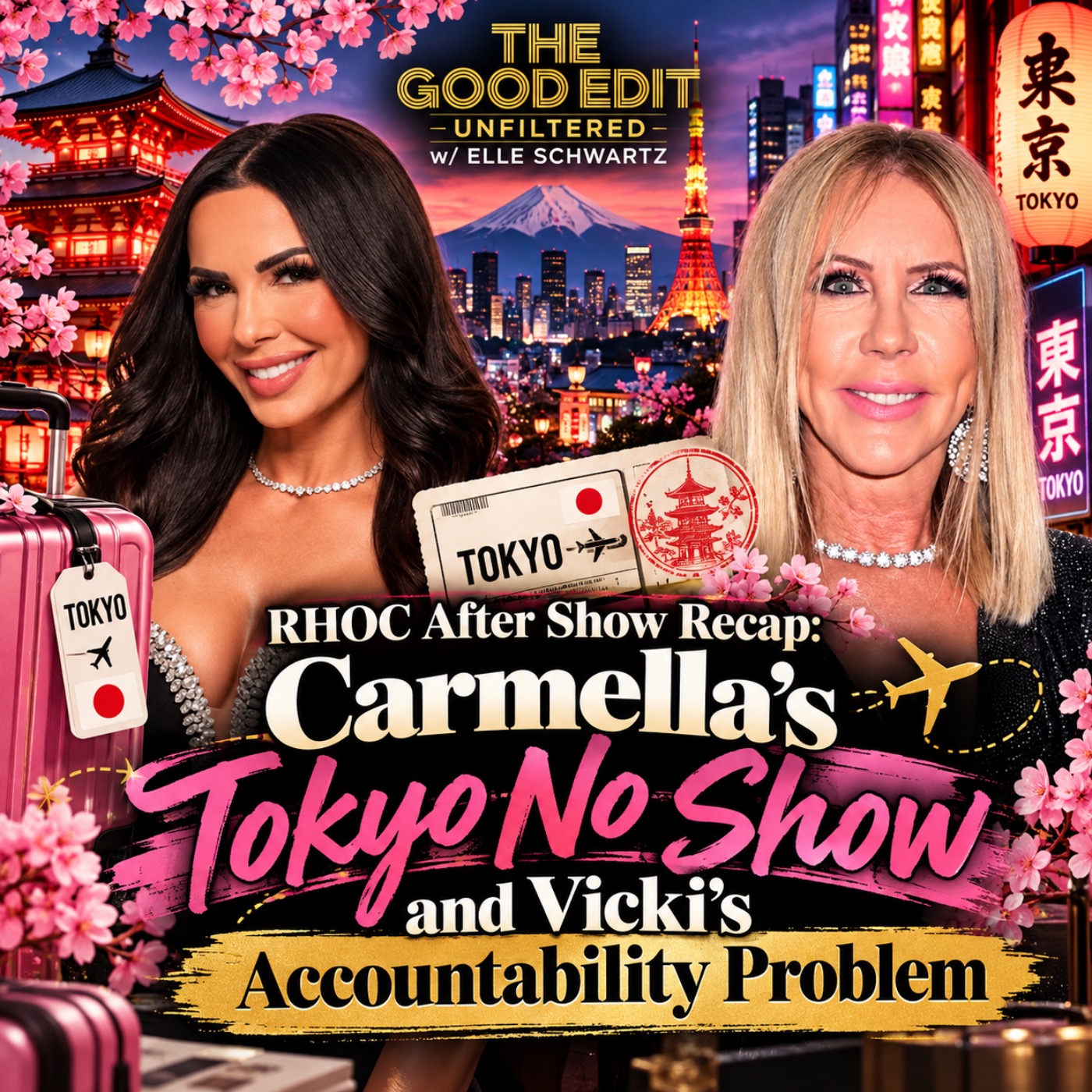
Vicki Gunvalson Accountability Problem: Why OG Housewives Struggle with Modern Reality TV
When examining Vicki Gunvalson's recurring accountability issues on the Real Housewives of Orange County After Show, behavioral analysis reveals a fascinating clash between early reality TV formats and modern psychological scrutiny. This article explores why veteran cast members struggle to adapt when producers and behavioral analysts dissect their deflection tactics.
Key Takeaways
- Vicki Gunvalson's approach to conflict resolution relies heavily on classic deflection and historical grievances rather than addressing immediate behavioral triggers.
- The evolution of reality TV editing means veteran cast members can no longer rely on nostalgia or OG status to bypass accountability.
- Behavioral analysis shows that weaponized defensiveness often stems from a deep-seated fear of losing control over personal narratives.
- Modern audience sophistication demands transparent remorse, making old-school reality TV denial strategies increasingly transparent and ineffective.
The Evolution of Accountability in Reality Television
Reality television has undergone a massive paradigm shift over the past two decades. In the early days of the Real Housewives franchise, cast members like Vicki Gunvalson could manufacture drama, instigate conflicts, and subsequently evade responsibility simply by shifting the goalposts or leaning into their status as foundational franchise pillars. The audience accepted a certain level of manufactured chaos because the genre was still defining itself.
However, today's viewers consume reality television through a much more analytical lens. Shows are no longer watched purely for escapism; they are scrutinized for behavioral patterns, emotional intelligence, and interpersonal dynamics. When a veteran housewife attempts to use twenty-year-old arguments or emotional outbursts to dodge current accountability, the modern viewer—and astute analysts—immediately recognize the defensive mechanism at play.
Understanding this shift is crucial for unpacking why certain cast members struggle so intensely on after-shows. The after-show format strips away the immediate adrenaline of group scenes, forcing individuals to watch their behavior back with some distance. For someone accustomed to controlling the narrative through sheer volume and emotional exhaustion, this reflective environment becomes deeply threatening.
Recognizing Classic Deflection Patterns
Deflection is a psychological defense mechanism where an individual redirects their attention away from a difficult truth or a direct accusation by focusing on someone else's minor flaws or past missteps. In the context of the RHOC After Show, this behavior manifests whenever tough questions are posed about accountability.
Instead of addressing the core issue—whether it is a problematic statement made on camera or a failure to support a castmate—the conversation is abruptly hijacked. Common tactics include bringing up ancient history, attacking the credibility of the person asking the question, or leaning heavily into exaggerated emotional displays. Behavioral specialists note that these tactics are designed to exhaust the opponent, effectively closing off any possibility of genuine resolution.
How Behavioral Analysis Unpacks the Edit
Audiences often wonder how much of what we see is shaped by production. While editors certainly sculpt the narrative to enhance dramatic tension, they can only work with raw behavioral material. This is where behavioral analysis bridges the gap between what actually happened and what makes it to the screen.
When analyzing a figure like Vicki Gunvalson, the focus moves beyond the sensationalized arguments to examine micro-expressions, vocal cadence, and physical posture. These non-verbal cues often tell a completely different story than the words coming out of a cast member's mouth. When someone claims they are completely innocent while exhibiting classic physiological signs of defensiveness and agitation, the behavioral contrast becomes the true story.
The edit may highlight a specific reaction, but it cannot manufacture a refusal to apologize. Accountability requires an ego-dystonic ability—the capacity to recognize that one's actions caused harm, even when unintentional, and to accept the discomfort of that realization without making it about oneself.
Why 'OG' Status Hinders Personal Growth
Holding the title of an Original Housewife comes with immense cultural cachet within the Bravo ecosystem. Unfortunately, it can also create a profound psychological blind spot. When you are told for nearly twenty years that you built a network's flagship franchise, it becomes remarkably difficult to accept that your interpersonal toolkit might be outdated or harmful.
This sense of entitlement often translates into an unspoken belief that rules of basic accountability simply do not apply to franchise royalty. If a newer cast member demands an apology, it is frequently dismissed not on its merits, but based on who is asking. This hierarchy of respect creates a toxic environment where genuine growth is stifled, and repeating historical mistakes becomes a cyclical pattern.
Conclusion
Ultimately, the ongoing struggle with accountability seen in veteran reality stars highlights a broader cultural conversation about how we handle conflict, growth, and aging in the public eye. As viewers become more psychologically literate, the era of unearned passes and manufactured deflection is coming to an end. To explore a comprehensive breakdown of these behavioral dynamics, scene-by-scene insights, and expert reality TV analysis, make sure to Listen to the full episode of The Good Edit Unfiltered.
Frequently Asked Questions
What is the primary psychological defense mechanism seen in reality TV accountability issues?
The most common mechanism is deflection, where a cast member shifts focus away from their own actions by bringing up past grievances or attacking the person holding them accountable.
How does behavioral analysis help decode reality television after-shows?
Behavioral analysis looks past the produced drama to examine non-verbal cues, micro-expressions, and psychological patterns, revealing the true motivations and emotional states behind on-screen arguments.
Why do veteran or OG reality stars struggle more with taking accountability?
Long-term cast members often develop a sense of entitlement and rely on historical franchise status, making it difficult to accept that their interpersonal behaviors require modern updating.
What role does the edit play in shaping a cast member's accountability narrative?
While editors sequence scenes to highlight dramatic beats, they rely on actual behavioral reactions, meaning a refusal to apologize or accept feedback is grounded in authentic responses from the cast.