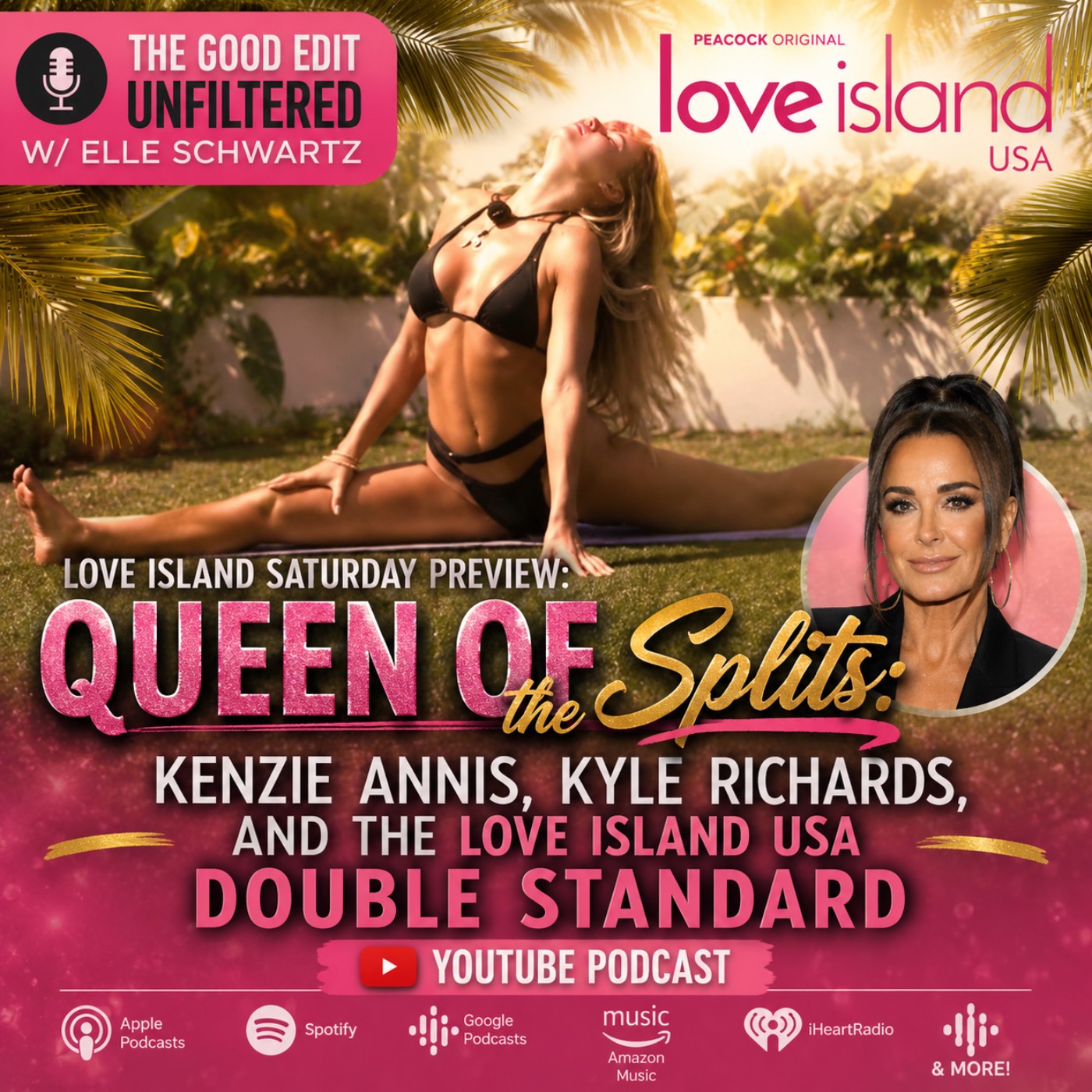
Why Does Kyle Richards Do the Splits? Breaking Down the Reality TV Double Standard
Reality television has long operated on unspoken double standards, particularly when it comes to how physical actions are perceived based on who is performing them. By comparing Kyle Richards' fifteen-year history of doing the splits on The Real Housewives of Beverly Hills to the fan reaction surrounding Kenzie Annis on Love Island USA Season 8, we can examine how the exact same behavior is coded entirely differently depending on the cast member, the franchise, and the pre-assembled narrative engineered by the edit.
Key Takeaways
- Kyle Richards has performed the splits on RHOBH since 2010 without audiences or producers framing the move as an indicator of her moral character.
- When Love Island USA Season 8 contestant Kenzie Annis dropped into the splits, the physical move was quickly weaponized to construct a negative narrative.
- Reality television edits frequently pre-assemble negative frames for specific cast members before a single episode even airs to steer public perception.
- Behavioral analysis reveals that audiences often confuse a person's behavior within a highly artificial environment with their fundamental character category.
- Production mechanics in modern dating shows like Love Island are deliberately engineered to provoke specific, polarized audience reactions to female participants.
The Anatomy of a Reality TV Double Standard
To understand the mechanics of how reality television shapes public opinion, one must look closely at the behavioral framing applied to women on screen. For over a decade, viewers of The Real Housewives of Beverly Hills have watched Kyle Richards drop into the splits on command. From dance floors and birthday parties to the back of Lisa Vanderpump's car, the move became her signature staple. Even after a heavily publicized announcement of her 'retirement' from the move in 2017, she continued to do it. Bravo even produced a retrospective video celebrating the history of it.
Yet, across fifteen years, not a single viewer, producer, or reunion host ever suggested that a signature dance move told you something deeply concerning about Kyle Richards' character. It was accepted as quirky, fun, or simply part of her reality TV persona.
Contrast that with Kenzie Annis on Love Island USA Season 8. When Kenzie dropped into the splits, the reaction from the audience and the discourse surrounding her journey took a remarkably different turn. Somewhere in the middle of the season, the physical act stopped being about her legs and started being used as evidence of a broader character flaw. This stark contrast exposes a glaring double standard in how reality television audiences—heavily guided by production choices—interpret identical behaviors based on the individual.
Behavior Versus Category
The core issue analyzed through behavioral psychology is the tendency of viewers to conflate a specific action with a permanent moral category. When a favorite or protected reality star performs a theatrical or attention-grabbing move, it is categorized as a behavior—a momentary expression of fun or high spirits. However, when a contestant marked for scrutiny by the edit does the exact same thing, it is instantly reclassified as a category. It becomes proof of who they are at their core.
This psychological leap is precisely what Elle Schwartz breaks down by applying professional training in behavioral analysis to reality television. The edit takes a neutral physical action and wraps it in a negative frame that was fully assembled before a single episode even aired. When family members' public denials and context are stripped away, the audience is left with a manufactured narrative that punishes certain women heavily while letting others slide for identical conduct.
Casa Amor and the Engineered Reaction
The double standard is further amplified by how production structures major twists like Casa Amor. On Love Island USA Season 8, the structural design of the twist was intentionally engineered to produce one specific reaction from the audience regarding female agency versus male indiscretion. When players like Kenzie and Sincere Rhea faced the aftermath of villa reshufflings, the burden of explanation fell disproportionately on them.
Consider the divergent ways accountability is distributed:
- A charge about a tactical miscommunication or a minor omission comes with a clear door out of it for some contestants, while others face permanent character condemnation.
- Public voting systems actively shape and reinforce these divisions, effectively drafting storylines where certain participants are cast in the villain role long before they have a chance to defend themselves.
- Interviews outside the villa—such as Kenzie's appearance on Call Her Daddy—often reveal the emotional toll of dealing with edited narratives, including crying in the shower and navigating intense public scrutiny without the benefit of proper context.
Conclusion
Reality television thrives on giving audiences simplified heroes and villains, but real human behavior is far too nuanced to fit neatly into those boxes. By examining how production edits, double standards, and audience psychology intersect, viewers can learn to separate the manufactured villain edit from the actual person on screen. For a comprehensive, scene-by-scene psychological breakdown of the entire situation, including the timeline of events and the wider implications of the Season 8 reunion, Listen to the full episode of The Good Edit Unfiltered.
Frequently Asked Questions
Why is Kyle Richards' use of the splits viewed differently than Kenzie Annis's?
Kyle Richards' splits have been framed across fifteen years of The Real Housewives of Beverly Hills as a harmless, signature personality quirk. In contrast, Kenzie Annis faced a pre-assembled negative edit on Love Island USA Season 8, causing viewers and commentators to interpret her physical actions through a hyper-critical, punitive lens.
What role does behavioral analysis play in understanding reality TV edits?
Behavioral analysis helps decode how television production manipulates viewer perception by turning normal human reactions into manufactured character flaws. It separates momentary actions from broad moral judgments, revealing how the edit constructs artificial villain narratives.
How did the Love Island USA Season 8 edit impact public perception of Kenzie Annis?
The edit heavily framed Kenzie's actions—including her connections in the villa and her physical expressions—within a negative narrative before the full context of her experiences, including mutual decisions and private emotional stress, was ever fairly presented to the audience.
Where can I listen to the complete breakdown of the Love Island USA double standard?
You can hear the full deep-dive analysis, featuring behavioral breakdowns and a scene-by-scene recap, by listening to The Good Edit Unfiltered episode page.