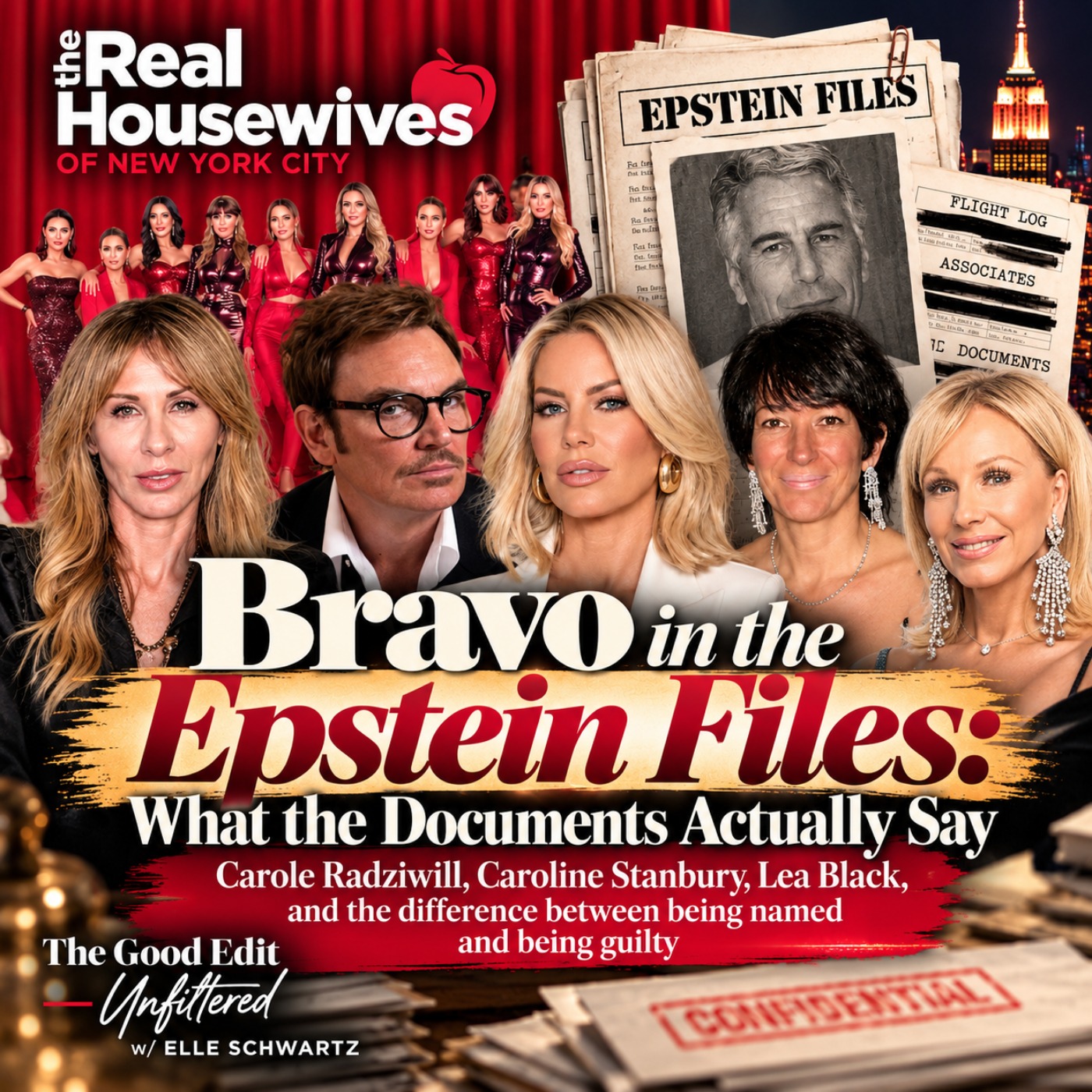
Why Reality TV Editing Fails to Contextualize Public Document Drops
When public document releases intersect with reality television, reality TV editing structures often fail to provide proper context, conflating mere administrative association with active wrongdoing. Understanding how unvetted court files, Freedom of Information Act requests, and DOJ document drops are weaponized on screen requires looking beyond the sensationalized reality television edit to examine the actual administrative weight of these mentions.
Key Takeaways
- Publicly released archival documents often contain names and communication logs without establishing legal wrongdoing or active association.
- Reality television production companies frequently leverage ambiguous public records to manufacture narrative tension on screen.
- Behavioral analysis of reality television editing reveals a pattern of shifting nuance to prioritize dramatic impact over factual context.
- Viewers must distinguish between administrative paper trails, such as old email logs or mailing lists, and actual criminal culpability.
- The intersection of true crime archives and lifestyle programming highlights the ethical limits of modern reality TV editing.
The Anatomy of a Reality TV Edit
Reality television is not a documentary; it is a constructed narrative built in the editing room. When major public document drops occur—such as the massive transparency releases involving historical figures—production companies and cast members frequently attempt to capitalize on the cultural cachet of these headlines. However, the editorial machinery of networks like Bravo is designed for emotional escalation, not investigative journalism. As discussed in Listen to the full episode, the translation of complex archival paper trails into on-camera arguments strips away vital temporal and situational context.
How Producers Weaponize Ambiguity
In the ecosystem of franchise television, ambiguity is a producer's most valuable asset. When a name appears in an expansive index of names, emails, or scheduling logs, it offers a blank canvas for on-screen adversaries to paint whatever narrative serves the current season arc. Behavioral analysis shows that human beings naturally look for narrative closure and moral clarity, even when presented with incomplete data. Editors understand this psychological vulnerability, utilizing dramatic musical cues, reaction shots, and truncated conversation loops to convert a routine administrative mention into an apparent character indictment.
The Difference Between Association and Action
A recurring flaw in how reality television addresses archival records is the intentional conflation of three distinct categories: being named, knowing someone, and doing wrong. In large-scale document releases encompassing thousands of pages of correspondence, contacts, and flight logs, individuals from various social strata—including media personalities, models, and real estate figures—frequently appear simply due to overlapping social circles in New York and Palm Beach during the early 2000s. None of these administrative appearances inherently equate to participation in illicit activities, yet reality television storylines regularly bypass this critical legal and factual distinction.
The Impact on Female Reality Stars
The burden of these editorial choices falls disproportionately on the women who anchor these franchises. Unlike male network executives or behind-the-scenes power players who rarely face direct on-camera cross-examination about archival documents, female cast members are thrust into the hot seat during reunion specials and regular season episodes. Sai de Silva's on-camera confrontation regarding historical records during recent franchise episodes illustrates how easily complex, systemic document dumps are reduced to personal ammunition between castmates.
Scrutiny and Selective Memory
Why do certain public figures draw exponentially more scrutiny from viewers and cast members than others when their documentation footprint is fundamentally similar? The answer lies in the parasocial relationship between the audience and the cast. Viewers develop rigid archetypes for reality stars. When a record surfaces that contradicts or complicates an established archetype, the resulting cognitive dissonance fuels intense fan speculation. Behavioral science indicates that audiences struggle to hold multiple truths at once—such as acknowledging that a public figure moved in elite social circles two decades ago while simultaneously recognizing that their name on a list does not constitute legal guilt.
Navigating Complex Archives as Viewers
As true crime culture and reality television increasingly bleed into one another, viewers must adopt a more sophisticated approach to media literacy. We cannot rely on 42-minute episodic cuts to provide objective legal or historical analysis. When complex public documents are brought onto a lifestyle platform, the primary goal of that inclusion is entertainment and conflict generation, not truth-seeking.
To evaluate these situations responsibly, audiences should demand transparency regarding the primary sources rather than accepting the secondary interpretation provided by a confessional interview. Recognizing the limitations of reality TV editing allows viewers to consume pop culture without falling prey to manufactured outrage cycles.
Conclusion
The intersection of major historical document releases and Bravo programming demonstrates the ongoing challenge of maintaining nuance in modern media. By examining how edits manipulate public records for narrative friction, we can better separate sensationalism from reality. To dive deeper into the behavioral dynamics behind these edits and unpack the specific documents line by line, Listen to the full episode of The Good Edit Unfiltered.
Frequently Asked Questions
How does reality TV editing alter the context of public documents?
Reality TV editing uses selective pacing, reaction shots, and isolated soundbites to transform administrative records or archival names into dramatic conflicts, often omitting crucial legal and temporal context.
Why are female reality stars subjected to more scrutiny regarding public records?
Because audiences form rigid parasocial archetypes around female cast members, any complication to their public image creates cognitive dissonance, leading to heightened scrutiny compared to behind-the-scenes male executives.
Does appearing in historical public document drops imply legal wrongdoing?
No. Appearing in mass archival document dumps, contact lists, or email logs simply indicates association or administrative contact, which is entirely separate from legal culpability or active wrongdoing.
What is the difference between being named and doing wrong in media narratives?
Being named in a document archive means an individual's name appeared in records, knowing someone implies social or professional overlap, and doing wrong requires actual proven unlawful behavior. Reality television often conflates all three to manufacture drama.