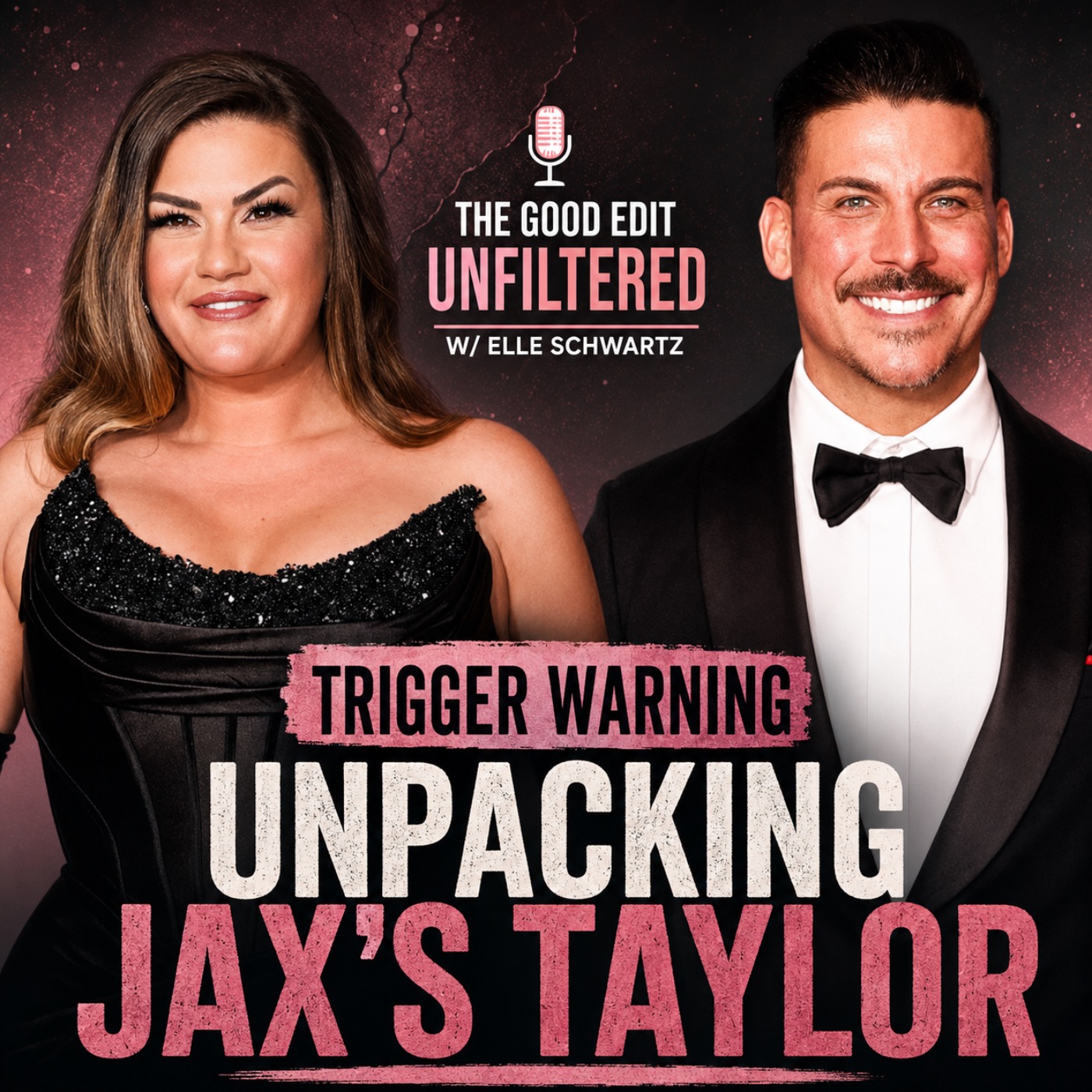
Why Reality TV Pickup Scenes Are Actually About Capturing Facial Expressions
When a reality television production company orders a pickup scene after principal photography and reunions have completely wrapped, it is never by accident. This deep dive examines the industrial mechanics behind emergency camera deployments, exploring why production teams invest heavily to capture a single, raw facial reaction when all the underlying facts are already public knowledge.
Key Takeaways
- Pickup scenes are never ordered for free and only happen when a finished season is missing a specific narrative beat.
- When real-life headlines break after principal photography wraps, production companies calculate if the cost of rolling cameras again matches the payoff.
- The primary goal of a post-season pickup is rarely to gather new factual information, but rather to capture raw emotional reactions on camera.
- Vouching for public figures who later align with former partners creates a unique psychological trap known as the receipt nobody wants to talk about.
- Analyzing reality television through a behavioral lens means looking at observable patterns rather than grading the edited sentence.
The Economics and Logistics of an Emergency Camera Roll
In the world of unscripted television, time is money and scheduling is an absolute beast. Once a season wraps filming and the reunion is safely in the can, production crews disperse, editors take over the bay, and the cast moves on with their lives. Ordering a pickup is an expensive, logistically complex administrative maneuver. It requires insurance, crew call sheets, location scouting, and talent coordination.
So, why do it? As discussed on the podcast, nobody orders a pickup for free. A network or production company only greenlights a return to the field when the footage currently sitting in the editing bay is fundamentally missing something vital. When massive real-life developments break—such as unexpected relationship photos surfacing in international resort towns—the existing season suddenly feels incomplete to the executive producers watching the cuts.
What Producers Are Actually Hunting For
A common misconception among reality TV viewers is that cameras rush back out to uncover hidden truths or unearth secret confessions. In reality, by the time a pickup crew gets the greenlight, every single fact of the story is already public. Social media statements have been published, timeline disputes have been argued in comment sections, and publicists have been dropped or defended.
What is left to get? Exactly one thing: her face, in the exact moment the reality of the situation lands. Television is a visual medium. An article detailing a new romance or a fractured timeline provides intellectual data, but reality television trades in emotional visceral experiences. The audience needs to see the immediate physical processing of a betrayal or a shocking alignment to feel that the narrative closure is authentic.
The Psychological Trap of Vouching
When reality stars step out of their designated roles to defend associates or publicists against early blind items or rumors, they create a dangerous psychological precedent. Months later, when those exact defended figures align romantically with ex-partners, the original defense becomes a haunting digital receipt. Behavioral analysts look closely at this phenomenon because it highlights the friction between stated goals and observable behavior. Vouching for someone requires an expenditure of social capital that is rarely recoverable once the underlying dynamics shift.
The Incentive Structure Behind the Lens
It is easy to get bogged down in assigning motives to reality television cast members, but behavioral analysis teaches us that incentive arguments are far more reliable than motive accusations. When a pickup scene is filmed, everyone involved understands the ecosystem. The cast member knows why the cameras have returned; the production crew knows what they need to cut into the finale. The incentive to provide a watchable, reactive moment drives the entire sequence.
Ultimately, a pickup is only worth shooting if the audience is guaranteed to watch it. The viewers become the final check and balance in this ecosystem. Our collective attention dictates whether a network decides a phone call needs to be made to the crew.
Conclusion
Understanding the behind-the-scenes mechanics of reality television changes how we consume every single episode. Instead of just reacting to the drama on screen, we begin to see the invisible scaffolding of production decisions, timing calculations, and emotional editing that shape our favorite shows. To hear the complete behavioral breakdown of this messy Bravo summer story, listen to the full episode: Listen to the full episode. Join us every week for deeper psychological cuts, scene-by-scene analysis, and reality TV breakdowns that take the participants seriously.
Frequently Asked Questions
What triggers a reality TV production to order a pickup scene after wrapping?
A pickup scene is typically ordered when major, unexpected real-life news breaks after principal photography and reunions have already been completed, leaving a glaring narrative gap in the finished season.
Are reality TV pickup scenes used to uncover new facts?
Rarely. By the time a production crew heads back out for a pickup, the public facts, photos, and statements are usually already well-documented across social media and news outlets. The cameras are there to capture reactions, not breaking news.
Why is capturing a specific facial expression the main goal of a pickup?
Viewers tune in to watch real-time emotional processing. A headline can tell an audience what happened, but a visual medium requires the physical manifestation of that shock or realization to satisfy the narrative arc.