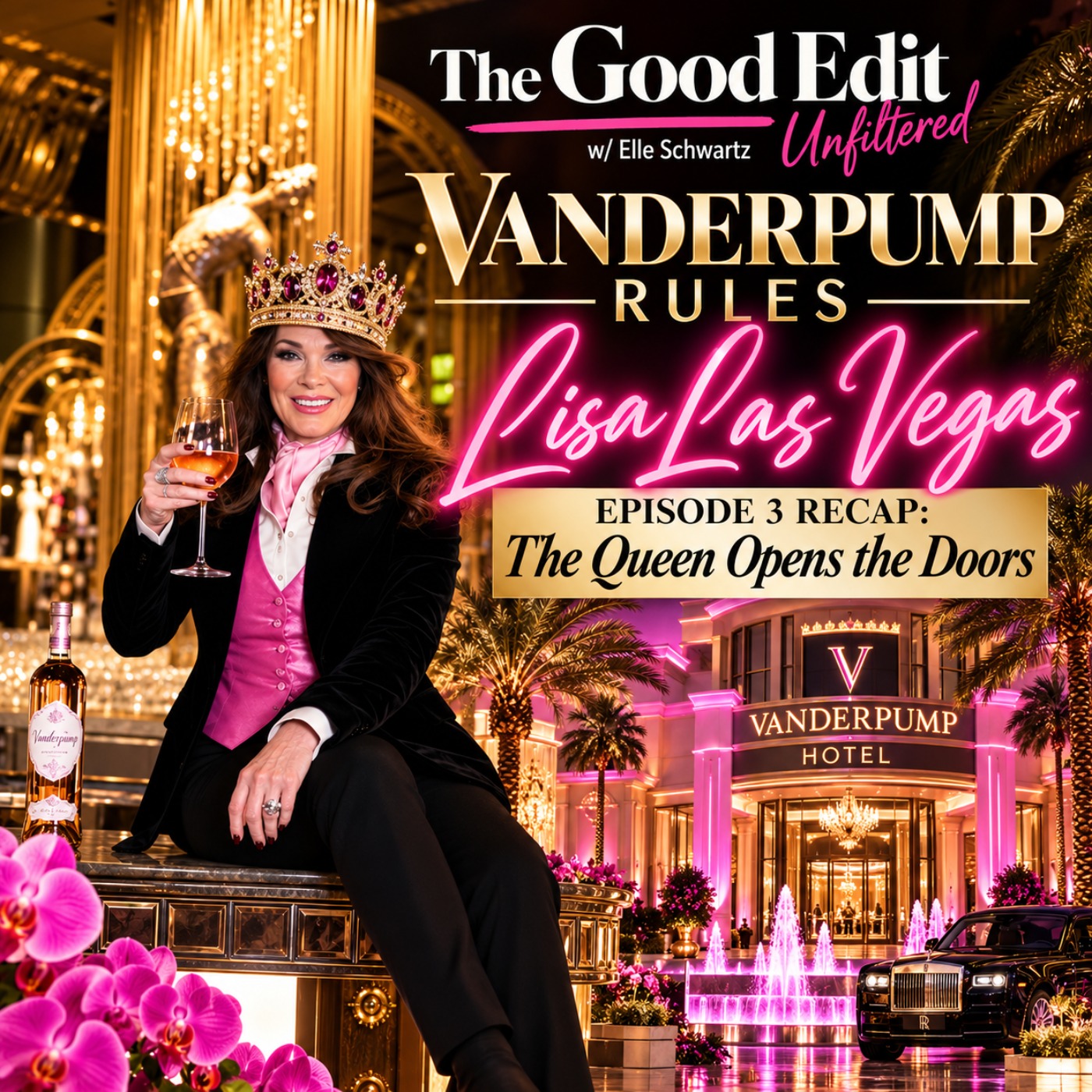
What Working for Lisa Vanderpump Reveals About Reality TV Perfectionism
Working for Lisa Vanderpump requires navigating an extreme level of relentless perfectionism, from custom-painted private jets to meticulous red rose punch lists. Behavioral analysis of her leadership style on reality television reveals how absolute control creates both incredible venue success and immense psychological pressure for her staff.
Key Takeaways
- Lisa Vanderpump's management style relies on uncompromising perfectionism, demanding absolute control over aesthetic details like custom teacup stations and floral arrangements.
- Behavioral analysis shows that while her relentless standards create high-performing hospitality spaces, they place extraordinary emotional and operational demands on her employees.
- Leaving the confined Beverly Hills ecosystem allowed Vanderpump to scale her operations to a massive resort environment in Las Vegas without losing her signature micromanagement style.
- Winning over a stressed-out opening team requires a carefully calibrated mix of high-pressure demands and morale-boosting pep rallies.
- The psychological toll of working under a perfectionist boss highlights the hidden labor behind luxury reality television empire building.
The Psychology of Perfectionism in Hospitality
When reality television documents the creation of a high-end venue, viewers are usually treated to the glamorous veneer of VIP grand openings, celebrity guest lists, and flashing cameras on the red carpet. However, beneath the polished surface lies a masterclass in extreme behavioral management. Lisa Vanderpump has built a global brand entirely on the premise that God is in the details—every single petal, teacup, and lighting fixture must align with her precise mental image.
From a behavioral standpoint, working for a perfectionist of this caliber is a study in high-stakes compliance. Employees are not merely executing tasks; they are stepping into a heavily curated theatrical production where a single out-of-place showerhead or poorly positioned floral arrangement can disrupt the entire narrative. This level of oversight requires a team that can endure immense pressure while simultaneously absorbing the charismatic charm that makes working for her feel like an exclusive privilege.
Micromanagement vs. Inspirational Leadership
There is a fine line between toxic micromanagement and inspiring visionary leadership, and Vanderpump constantly dances along it. Throughout high-stress opening phases, her teams face grueling punch lists that demand perfection under impossible deadlines. Yet, rather than alienating her staff permanently, she frequently bridges the gap with moments of genuine psychological reprieve—such as rallying the exhausted crew right before doors open.
This oscillation between relentless demands and charismatic reward is a classic leadership archetype. By treating her staff to moments of inclusion and shared glory, she transforms exhaustion into loyalty. Employees do not just work for a paycheck; they adopt her vision as their own, driven by the desire to earn her approval and forgiveness, much like Kevin Lee securing his way back into her good graces after past friction.
Why Leaving Beverly Hills Changed Everything
For years, Vanderpump's operations were largely contained within the insular, dramatic bubble of Beverly Hills. Moving her empire to the massive scale of a Las Vegas resort changed the behavioral dynamics entirely. In a city built on neon, spectacle, and high-volume tourism, her signature brand of hyper-curated luxury had to expand exponentially without losing its intimate, boutique feel.
This geographical shift also altered how she interacts with her team and the public. Away from the exhausting cyclical arguments of traditional ensemble cast shows, she operates here purely as a mogul and executive producer of her own environment. The Las Vegas setting forces her perfectionism to scale up, resulting in iconic moments like arriving on a private jet with a painted portrait of Giggy. It is theatrical, excessive, and entirely calculated to establish dominance in a new market.
Managing the Human Cost Behind the Brand
While audiences marvel at the finished product—complete with Garcelle, Lance Bass, and the Vanderpump Rules originals walking the red carpet—the backstage reality involves significant emotional labor. Staff members must navigate unexpected interpersonal landmines, such as awkward workplace relationship reveals while cameras roll, all while maintaining a pristine facade for VIP guests.
Understanding this dynamic shifts how we consume reality television. These women and their support teams are not just characters reading lines; they are real people operating inside a pressure cooker designed to test human limits. Analyzing these professional environments offers a fascinating glimpse into the true cost of maintaining a multi-million-dollar lifestyle brand.
Conclusion
Reality television often edits entrepreneurs down to one-dimensional archetypes, but examining the behavioral mechanics of running a multi-layered hospitality empire reveals a much more complex picture. Lisa Vanderpump's relentless pursuit of perfection demands an extraordinary amount from her team, reshaping how leadership and accountability function in the public eye. For a complete scene-by-scene breakdown of how these dynamics played out during the grand opening, Listen to the full episode to hear behavioral analyst Elle Schwartz unpack every detail.
Frequently Asked Questions
How does Lisa Vanderpump manage her team under high-stress grand opening conditions?
Vanderpump uses a combination of relentless, highly specific punch lists and charismatic pep rallies to keep her team focused. By balancing extreme perfectionism with moments of inclusion and morale-boosting motivation, she manages to turn exhausted employees into deeply loyal brand advocates.
Why was moving to Las Vegas a significant shift for Vanderpump's management style?
Moving from Beverly Hills to a massive Las Vegas resort required scaling her hyper-curated aesthetic up to a much larger corporate and hospitality environment. It allowed her to operate purely as a mogul and magnify the theatrical elements of her brand, such as custom private jet arrivals and massive venue architecture.
What behavioral challenges do employees face working for a perfectionist like Vanderpump?
Employees face immense psychological pressure to maintain absolute flawless execution under tight deadlines. They must balance strict aesthetic standards, operational hiccups like guest complaints, and personal drama on camera while upholding the luxury image of the venue.
How does reality television editing affect the perception of workplace dynamics on these shows?
Editing often compresses complex interpersonal relationships and professional stress into dramatic punchlines. Behavioral analysis helps strip away the constructed narrative to evaluate the genuine psychological labor and management strategies happening behind the scenes.