
 Apple Podcasts
 Spotify
 Deezer
 Amazon Music
 iHeartRadio
 YouTube
 Podcast Addict
 Castbox
 Castro
 Goodpods
 RSS Feed
 Bankruptcy Is Not A Tool | Bravo Deep Dive Real Housewives of Atlanta Reunion Analysis Recap
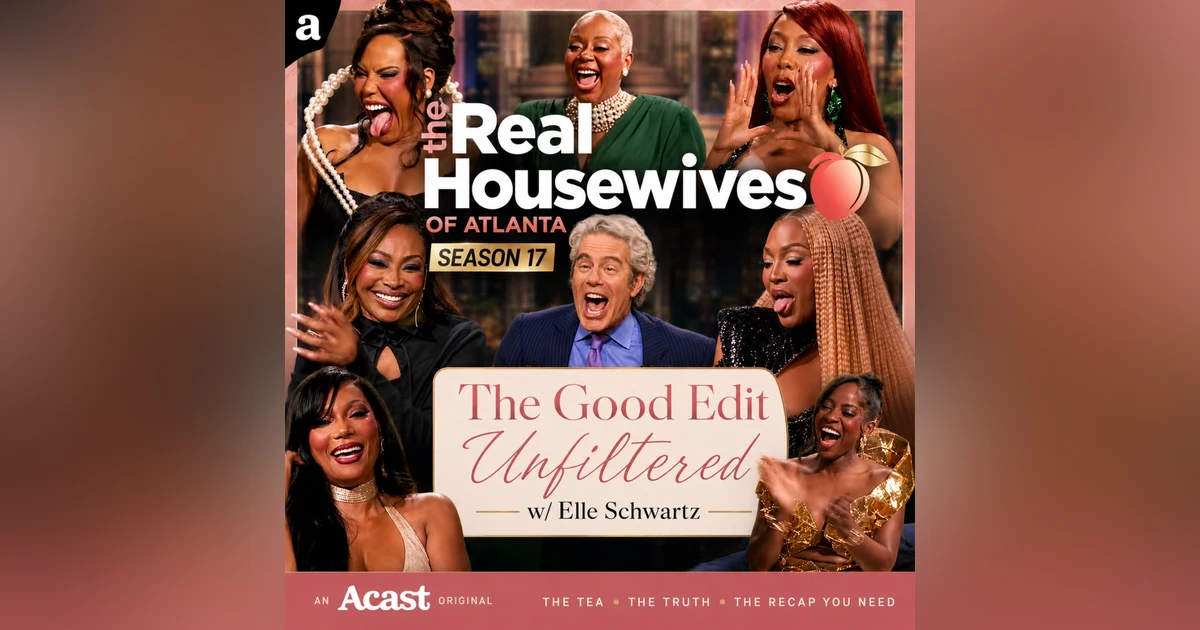
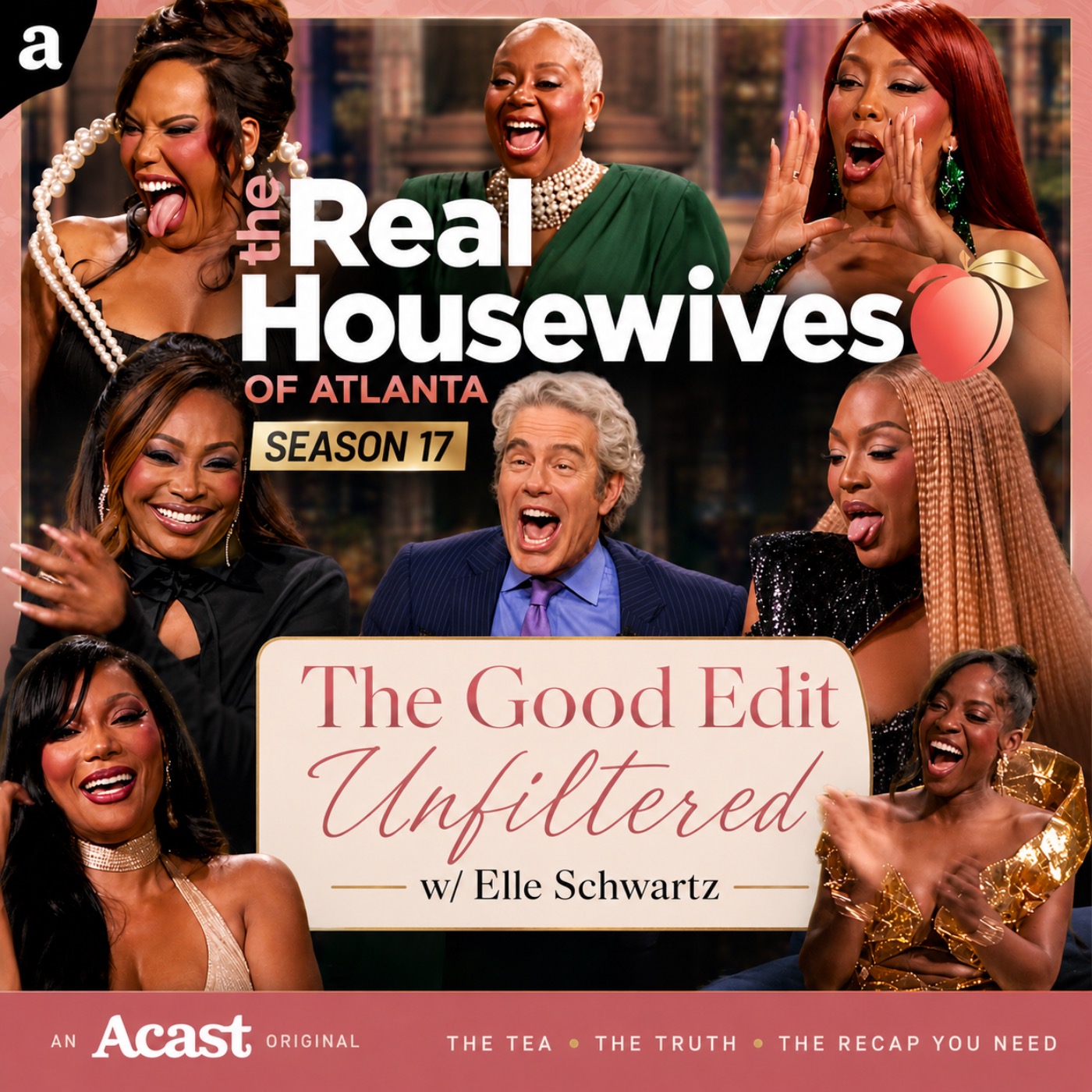
RHOA Reunion Part Two, where Pinky renames her worst year and Phaedra refuses to accept the new label.
Key Takeaways
- Elle Schwartz breaks down Part Two of the Real Housewives of Atlanta season seventeen reunion, focusing on the underlying tensions and behavioral patterns Bravo edits leave out.
- The heated exchange between Pinky Cole and Phaedra Parks reveals deep disagreements about financial transparency, accountability, and what reality stars are allowed to call their failures out loud.
- Andy Cohen breaks protocol by stepping out of the host chair to directly vouch for Phaedra Parks after Pinky accuses her of calling higher-ups over an off-camera comment.
- Behavioral analysis reveals why renaming a painful financial struggle like bankruptcy as a 'rebirth' helps privately but backfires publicly in front of an audience.
- The episode also explores the lingering drama between Shamea Morton Mwangi and K. Michelle, Cynthia Bailey's surprises, and Porsha's receipts heading into Part Three.
Bankruptcy Is Not A Tool | The peaches are back on the couch and Part Two of The Real Housewives of Atlanta season seventeen reunion does not waste a single minute getting into it. Elle Schwartz breaks down episode nineteen with the context Bravo does not hand you, and this hour has more going on underneath the fights than almost any reunion we have covered this season.
We open on the thread Andy Cohen deliberately tabled at the end of Part One. Shamea Morton Mwangi and K. Michelle have been circling the same conversation for weeks, the one about a night out, a warning, and a group of women in Atlanta who were reportedly not happy about the two of them getting close. Andy could see how big that box was and he chose to open it on his own timeline. Elle explains what happens to a fight when you pause it for a week, why the version you get in Part Two sounds cleaner than the truth usually does, and how to hear the difference between a rehearsed answer and a real one.
Then we get to the main event. Andy asks Pinky Cole where things stand with her bankruptcy, and Pinky answers by calling the bankruptcy code a tool, describing the whole ordeal as a rebirth, and suggesting other women in the room may end up using the same option someday. Phaedra Parks is not having it. What follows is not really an argument about finance. It is an argument about what you are allowed to call your own failure out loud, and about who gets left holding the bag when a Black owned business goes under. Elle walks through the behavioral piece in plain language, why renaming a painful thing genuinely helps you in private and genuinely backfires on you in public, and why the conversation turned toward investors as fast as it did.
The hour's biggest media literacy moment comes when Pinky accuses Phaedra of calling the higher ups over an off camera comment. Phaedra denies it, and then Andy does something he almost never does. He steps out of the host chair and vouches for her directly. Elle unpacks exactly what Andy confirmed, what he pointedly did not confirm, and what it means for all of us watching that the curtain just moved.
We also get into Cynthia Bailey and Shamea, the Dallas trip, that pool house, and why nobody in the history of this franchise has ever actually been mad about a guest room. Plus Porsha's receipts, Cynthia's surprise nobody in the room sees coming, and what every bit of it sets up for Part Three next Sunday.
Come sit with us, Edittors. This one earns the full hour.
The Good Edit Unfiltered is where reality TV meets behavioral analysis. Behavioral analyst Elle Schwartz covers Married at First Sight (MAFS) Season 20 on Peacock, Love Island USA, and the Real Housewives universe (RHOBH, RHOP, RHOSLC, RHONY, RHONJ) plus Vanderpump Rules, Summer House, and Next Gen NYC. We break down the editing, casting, expert decisions, and psychology recap culture skips. We separate the edit from the reality.
New MAFS Season 20 breakdowns every Friday after the Thursday Peacock drop.
Ad free VIP content: https://www.patreon.com/c/TheGoodEditUnfilteredPodcast
Instagram @tge_thegoodeditunfiltered | YouTube @TheGoodEdit_Unfiltered | TikTok @tge.ufiltered
A Layered Media Works Inc. production. EP: Ric Swartzlander. Co EP & Creator: Elle Schwartz. On Air Talent & Assoc. Producer: Kimberly A. Bryant
Hosted on Acast. See acast.com/privacy for more information.
The Good Edit Unfiltered brings context to reality television, exploring how the housewife and reality TV experience is sometimes shifted unfairly through production edits. Hosted by behavioral analyst Elle Schwartz and Kat Vasseghi. A production of Layered Media Inc. and Rude Mood Media. Booking inquiries: Ric Swartzlander, ricswartzlander@thegoodedit.net. Bringing context to reality TV, one episode at a time.
Copyright 2026 Layered Media Inc. All rights reserved.
Frequently Asked Questions
What happened when Pinky Cole discussed her bankruptcy on the RHOA reunion?
Pinky Cole defended her bankruptcy by calling the legal code a tool and a rebirth, suggesting others might use it too, which triggered strong pushback from Phaedra Parks regarding accountability and business failures.
Why did Andy Cohen step out of the host chair during the RHOA reunion?
Andy Cohen stepped out of the host chair to directly vouch for Phaedra Parks after Pinky Cole accused Phaedra of calling the higher-ups over an off-camera comment.
What is the focus of The Good Edit Unfiltered podcast?
Hosted by behavioral analyst and retired educator Elle Schwartz, the podcast applies professional behavioral training to reality television to analyze editing tactics, psychology, and the nuances of the cast members' experiences.