Anatomy of a Bad Celebrity Apology: Why Martha Stewart’s Defense Failed
Analyzing celebrity apologies reveals deep insight into modern crisis management and public perception. When a high-profile figure like Martha Stewart faces intense backlash over a tone-deaf Halloween costume and attempts to justify it through 'awareness,' behavioral patterns emerge that highlight a profound disconnect from everyday struggles.
Key Takeaways
- The anatomy of a bad celebrity apology typically relies on defensive justification rather than true accountability.
- Claiming 'awareness' as a defense for poverty cosplay often alienates audiences further by minimizing genuine economic hardship.
- Timing and commercial cross-promotion, such as pushing product sales right after a scandal, severely undermine trust.
- Behavioral analysis of public figures shows that wealth insulation frequently creates blind spots regarding how satire is perceived.
The Anatomy of Tone-Deafness in Wealthy Public Figures
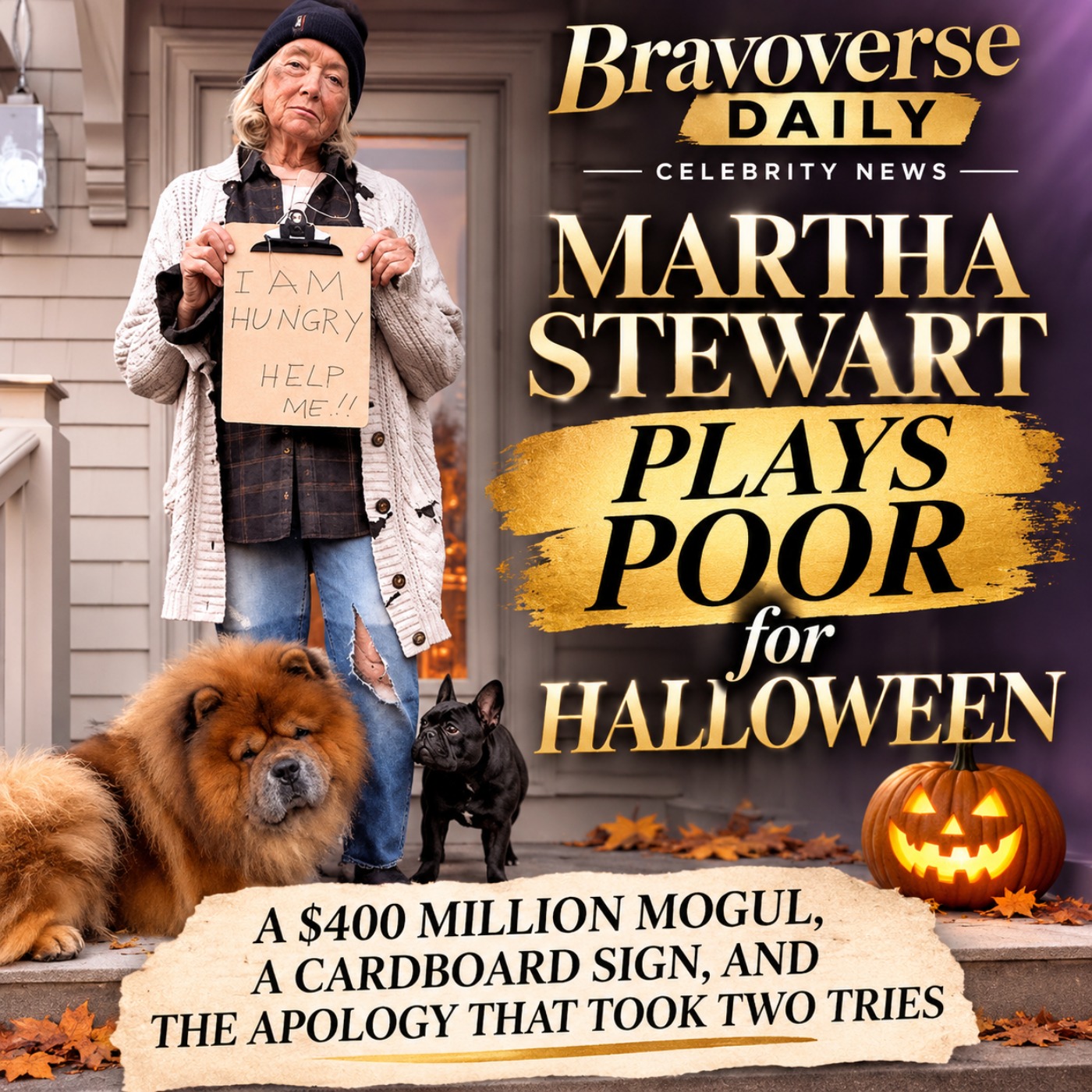
When ultra-wealthy public figures attempt to engage in social commentary or satirical humor involving poverty, the results frequently backfire. The fundamental disconnect lies in the vast chasm between actual economic struggle and the insulated reality of celebrity life. In the case of Martha Stewart's controversial Halloween costume, which featured elements reminiscent of unhoused individuals coupled with a prominent hunger sign, the attempt at humor failed to read as clever satire.
From a behavioral standpoint, audiences do not view poverty as a malleable costume option because they live the reality of economic anxiety. When a billionaire or multimillionaire plays poor for a night, it registers less as a critique of society and more as a punchline directed at the vulnerable. The lack of self-awareness required to greenlight such a costume points to an echo chamber of advisors and peers who failed to check the optics before the public got a look.
Why the 'Awareness' Defense Falls Flat
A recurring trope in modern crisis management is the 'awareness' defense—claiming that an offensive or insensitive action was actually meant to bring attention to a serious social issue. However, audiences have grown exceptionally sophisticated at spotting post-hoc rationalizations. When a public figure issues an apology that pivots immediately to 'bringing awareness,' it often feels like an evasion of responsibility rather than a genuine reckoning.
True awareness-raising requires collaboration with affected communities, respectful framing, and a clear philanthropic goal established beforehand. Retroactively assigning noble intentions to a poorly received Halloween costume looks less like activism and more like damage control. Behavioral analysts note that when an apology focuses more on explaining why the public misunderstood the joke than on acknowledging the harm caused, it triggers immediate skepticism.
Commercial Timing and the QVC Trap
One of the most damaging elements of the Martha Stewart costume controversy was the simultaneous or closely timed promotion of commercial products, specifically QVC candles. In the world of celebrity PR, timing is everything. Blending a tone-deaf social misstep with an active sales pitch creates a jarring juxtaposition that alienates consumers.
When fans and critics see an attempt to monetize or immediately pivot back to business as usual following a major controversy, it signals a complete lack of emotional intelligence regarding the brand's optics. Consumers increasingly demand authenticity and accountability. Pushing product while walking back an offensive stunt confirms to the audience that protecting the bottom line takes precedence over genuine remorse or self-reflection.
Conclusion
Dissecting high-profile controversies offers a fascinating glimpse into the mechanics of modern reputation management. As behavioral analysis shows, audiences can easily distinguish between heartfelt accountability and defensive spin. For a deeper dive into celebrity culture dynamics and pop culture commentary, Listen to the full episode of the podcast for a thorough breakdown of how public figures handle—and often mishandle—their biggest PR crises.
Frequently Asked Questions
What makes a celebrity apology ineffective?
An ineffective celebrity apology typically includes defensive justifications, excuses disguised as explanations, and a focus on how the audience misunderstood the intent rather than acknowledging the actual harm caused.
Why do wealthy figures struggle with satire involving poverty?
Extreme wealth insulation creates blind spots. When public figures are far removed from economic struggle, humor that mocks or mimics poverty often reads as punching down rather than insightful social commentary.
How does commercial promotion impact crisis management?
Pairing a controversial public apology with an active product pitch or commercial promotion signals to the audience that protecting revenue streams is a higher priority than genuine remorse.
What is the 'awareness defense' in public relations?
The 'awareness defense' is a PR strategy where a controversial action is retroactively framed as an educational tool to highlight a social issue, often used when an original apology fails to gain traction.