Beyond the Parade: Kathy Hilton's Advocacy and the Shifting Sands of Public Scrutiny
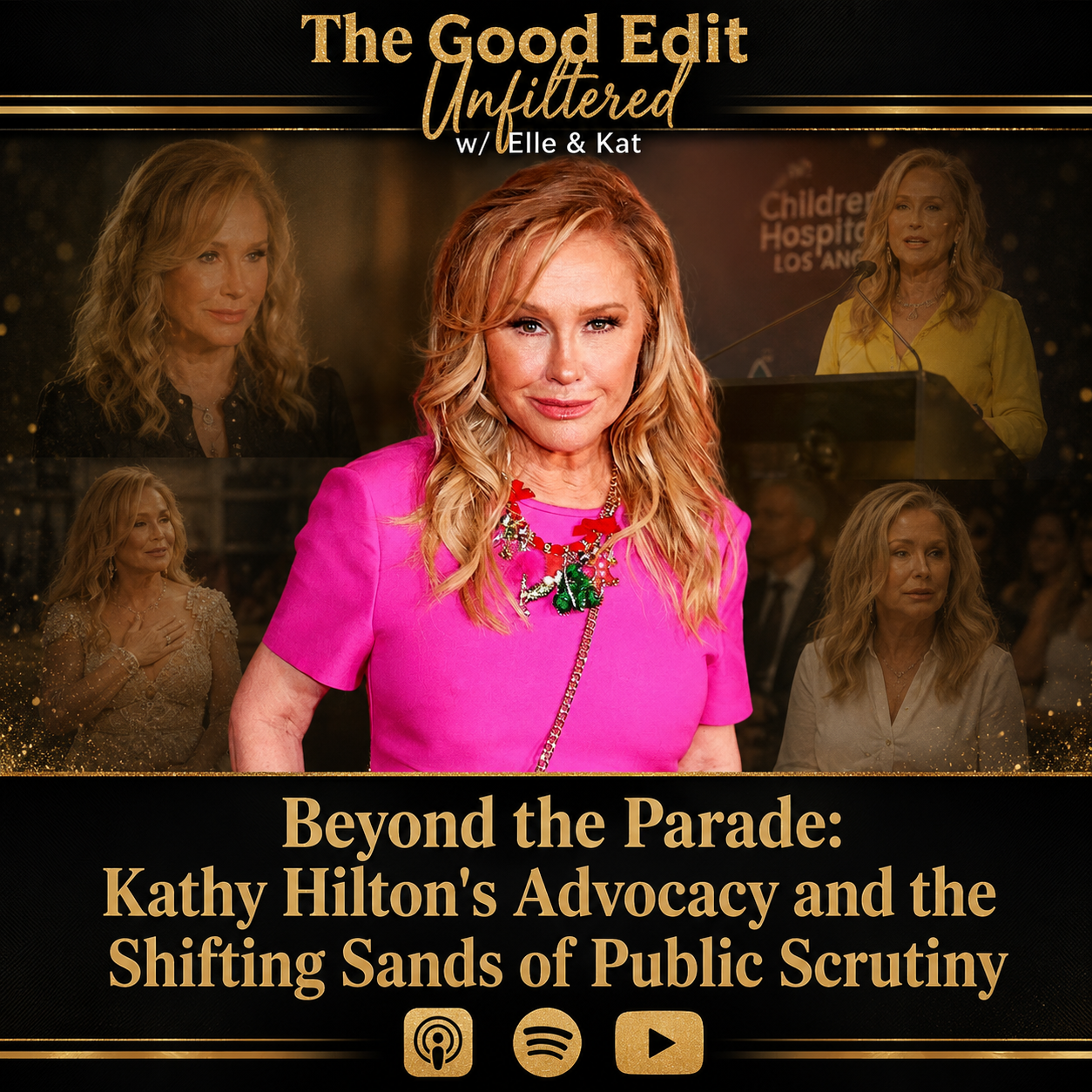
Beyond the Parade Kathy Hilton | Kathy Hilton's role as Grand Marshal sparked debate, highlighting the complex interplay between personal beliefs and public advocacy for Bravo stars. This deep dive explores the nuances of her position and the wider implications for public figures navigating social and political landscapes.
Key Takeaways
- Kathy Hilton's withdrawal as Grand Marshal illuminates the intense scrutiny public figures face when their advocacy intersects with political sensitivities.
- The incident underscores the delicate balance Bravo stars must strike between personal authenticity and the expectations of diverse fan bases.
- This event prompts a broader conversation about the influence and responsibility of reality television personalities in social and political discourse.
- Understanding the 'why' behind public figures' actions requires looking beyond surface-level drama to the underlying complexities of identity and belief.
- Navigating such controversies involves not only the star but also the production, the network, and the audience, creating a multifaceted dynamic.
The Intersection of Personal Belief and Public Role
The events surrounding Kathy Hilton's involvement with the West Hollywood Pride Parade serve as a potent case study in the ever-evolving landscape of public advocacy for reality television personalities. As a prominent figure on Bravo, Hilton's roles extend far beyond the confines of the show's narratives. Her appointment as Grand Marshal placed her in a position where her personal beliefs and affiliations, however nuanced or private, inevitably intersected with a highly visible public platform. This incident, as discussed on The Good Edit Unfiltered, brings to the forefront the inherent tension between an individual's authentic self and the curated image expected by a public audience, particularly when that audience comprises diverse viewpoints and sensitivities.
The controversy surrounding Hilton's participation, and subsequent stepping down, wasn't merely about a single event; it was a ripple effect that exposed the intricate web of support, politics, and personal biases that often lie beneath the surface of seemingly straightforward public engagements. The episode unpacks the 'why' behind the headlines, suggesting that the situation was far more complex than a simple public misstep. It delves into the pressure cooker environment of reality TV fame, where every action, statement, and perceived affiliation can be amplified and scrutinized by millions. This pressure forces individuals like Hilton to constantly weigh the potential consequences of their public engagements against their personal convictions and their established brand.
Navigating Political Currents in the Spotlight
The question of why reality stars' political opinions matter—or don't—in the broader social conversation is a central theme. Hilton's situation exemplifies the unique challenges faced by Bravo personalities who, by virtue of their platform, become de facto influencers. While many viewers tune in for entertainment, escapism, and a glimpse into glamorous lives, they are also increasingly aware of and engaged with the social and political issues that shape the world around them. This creates a dilemma for stars: to remain silent and risk being perceived as disengaged or complicit, or to speak out and risk alienating segments of their audience or facing intense backlash.
The episode's analysis suggests that the fallout from the Pride Parade incident points to a growing societal expectation for public figures, including reality stars, to be more than just entertainers. There's an increasing demand for authenticity and a willingness to take a stand on issues that matter. However, this expectation is often met with a complex reality where personal biases, evolving political landscapes, and the business of television collide. Hilton's experience highlights the difficult tightrope walk involved in aligning one's public role with personal beliefs, especially when those beliefs might be interpreted differently by various groups. It’s a reminder that in the age of social media and constant connectivity, the lines between private belief and public performance are more blurred than ever, forcing stars to navigate a minefield of potential controversies.
Authenticity vs. Advocacy: The Bravo Dilemma
The concept of 'owning your truth,' mentioned in the podcast, is particularly relevant to Kathy Hilton's situation. It speaks to the courage it takes for public figures to stand by their convictions, even when it leads to conflict or public disapproval. The episode explores how reality TV often relies on constructing narratives, but individuals within these narratives are real people with evolving lives and beliefs. Hilton's journey, as presented, suggests a personal evolution that may not always align perfectly with the public's pre-conceived notions or the demands of her on-screen persona. This disconnect can create friction, as seen in the Pride Parade controversy, where the public's perception of her actions might not align with her personal intentions or beliefs.
Furthermore, the discussion touches upon the broader implications of vetting public figures before they appear on television. In an era where reality stars are increasingly seen as cultural touchstones, there is a growing debate about the responsibility of networks and production companies to ensure that their personalities align with certain values, especially when engaging in sensitive public events. The Hilton incident serves as a stark reminder of the unintended lessons that can emerge from reality television: the importance of empathy, the complexities of community support, and the necessity of holding space for nuanced perspectives, even amidst controversy. It challenges listeners to look beyond the superficial drama and consider the deeper, often challenging, human stories that unfold under the bright lights of fame.
Conclusion: Beyond the Headlines
Kathy Hilton's experience with the West Hollywood Pride Parade controversy, as explored on The Good Edit Unfiltered podcast, offers a valuable lens through which to examine the intricate relationship between authenticity and advocacy for Bravo stars. It demonstrates that navigating public life as a reality TV personality involves a constant negotiation of personal beliefs, public expectations, and the unpredictable currents of social and political discourse. The incident prompts us to consider the deeper narratives at play and the evolving role of these public figures in our cultural conversations.
For a deeper dive into this and other compelling discussions about reality TV's impact on identity, advocacy, and personal growth, listen to the full episode: Bravo TV Drama Explained | Gossip Deep Dive Bravo tv.
Frequently Asked Questions
Q: What was the main controversy involving Kathy Hilton and the Pride Parade?
A: The controversy stemmed from Kathy Hilton's role as Grand Marshal for the West Hollywood Pride Parade and the subsequent discussions and criticisms that arose regarding her public stance and perceived affiliations, leading to her stepping down from the role.
Q: How does Kathy Hilton's situation relate to the broader theme of authenticity vs. advocacy for reality stars?
A: Her experience highlights the pressure on Bravo stars to balance their personal beliefs and identities with the expectations of a diverse public audience, especially when their actions have a public advocacy component. It questions whether public figures can truly remain authentic while navigating the complex demands of advocacy and public scrutiny.
Q: Why are reality stars' political opinions becoming more significant in public conversations?
A: As reality stars gain significant influence and visibility, their actions and opinions, whether intentional or not, are increasingly scrutinized and seen as reflective of broader social or political currents. Audiences are looking for more than just entertainment, engaging with the personal lives and beliefs of those they follow.
Q: Does the episode suggest that Bravo stars should be more careful about their public affiliations?
A: The episode implies that public figures, especially those with large platforms like Bravo stars, must be acutely aware of the potential impact and interpretation of their public roles and affiliations. It underscores the need for careful consideration of how personal choices intersect with public advocacy and representation.
Q: What does the episode suggest about personal growth and public figures?
A: The episode touches on the idea that public figures, like Kathy Hilton, are individuals undergoing personal growth that may not always align with their public persona or audience expectations. It encourages a look beyond the curated narratives to understand the complexities of their real-life journeys and the challenges of navigating fame.
Creator | Host | Co-Executive Producer
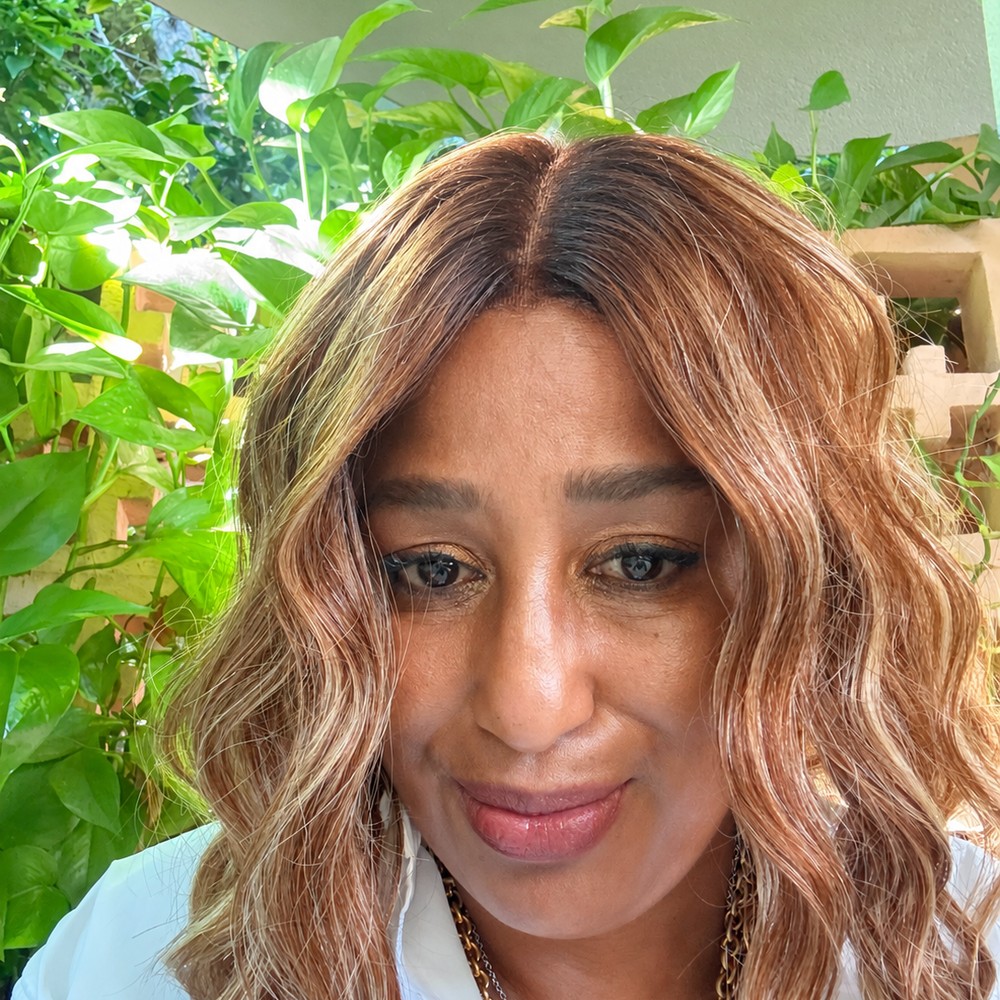
Elle Schwartz is a behavioral analyst, writer, and the creator, host, and executive producer of The Good Edit Unfiltered, an award winning podcast that brings context to reality television. Born in Compton, California, she holds five degrees from private institutions, including the University of Southern California, and draws on her background in behavioral science to examine how production edits shape the stories audiences see on screen.
Launched in February 2026, The Good Edit Unfiltered covers The Real Housewives franchises, Vanderpump Rules, Summer House, The Valley, and Married at First Sight.
The show is produced under Layered Media Inc. and Rude Mood Media, with Schwartz serving as executive producer alongside Ric Swartzlander. Its signature series, the Reality TV Cultural Reckoning, and its Grammar of Conflict framework explore how race, culture, and casting influence the way reality stars are portrayed.
In its first year, the podcast won three 2026 Black Podcasting Awards (Best Producer, Best Daily Podcast, and Original Music) and multiple 2026 Davey Awards, including Gold for the Reality TV Cultural Reckoning series. It ranks number 1 all time in Indie Real Housewives on Goodpods.
Schwartz is a member of the Television Critics Association and a founding member and judge of the Open Podcast Awards. She is also a credited co writer on Kyla & the White Guy, a scripted comedy series optioned by Roku. She lives in Encino, California.
Short bio (for spots with tight character limits)
Elle Schwartz is a behavioral analyst, writer… Read More