Bravo Casting Strategy: Why Stagnation Threatens Franchise Longevity
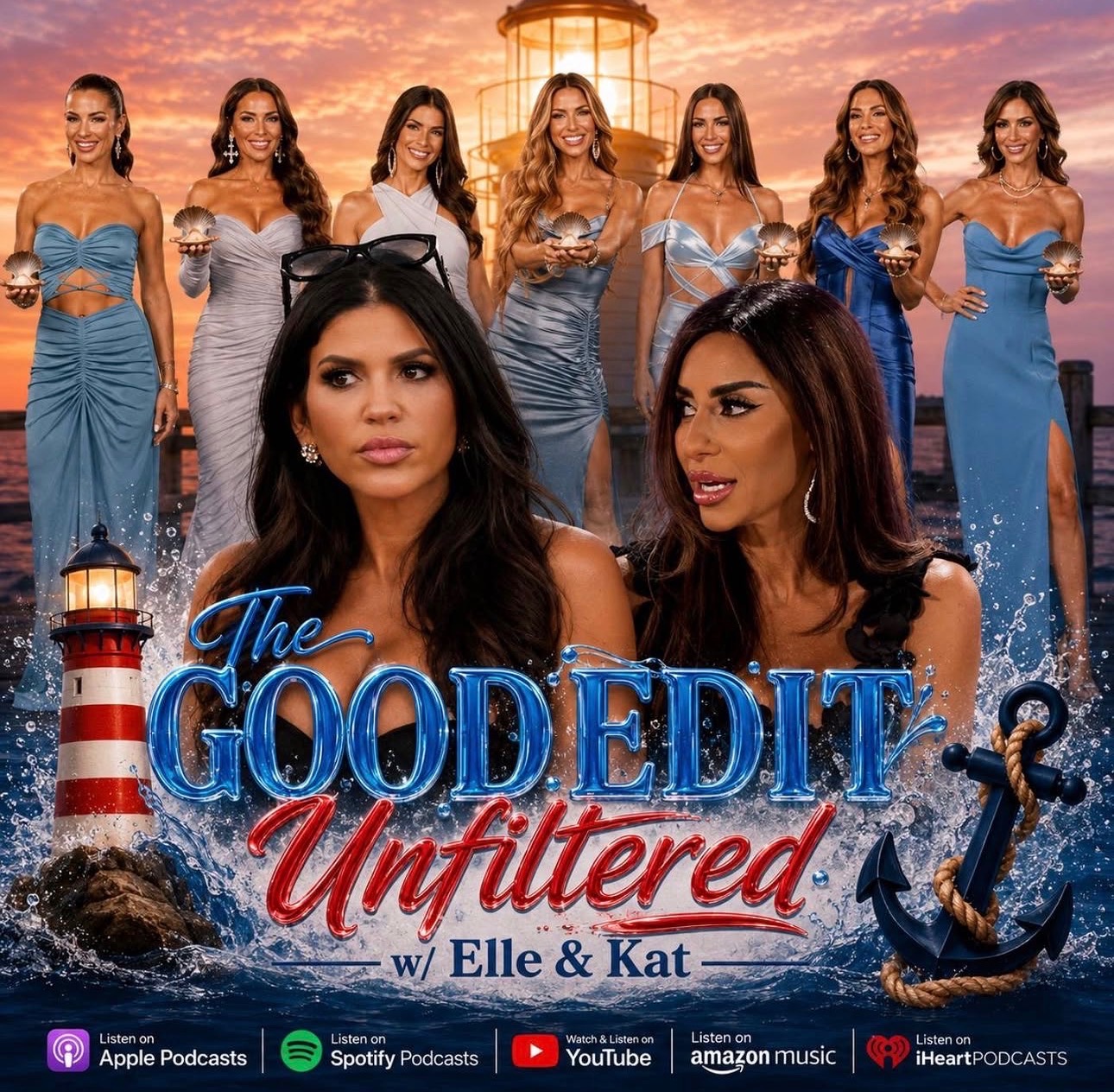
Are your favorite Bravo franchises feeling a bit… same-y? The Good Edit Unfiltered explores how Bravo's casting strategy, while prioritizing familiar faces, may inadvertently be fueling franchise stagnation. Discover the delicate balance between fan favorites and the need for fresh narratives.
Key Takeaways
- Bravo's reliance on established cast members, while maintaining familiarity, can lead to predictable storylines and audience fatigue.
- The 'embedded' nature of long-standing stars makes it challenging to introduce genuinely new dynamics or perspectives within a franchise.
- Contract negotiations and the desire to retain 'Bravolebrity' status can limit Bravo's flexibility in refreshing cast lineups.
- Franchise stagnation, as seen in shows like RHONJ, stems from a resistance to essential evolution, prioritizing comfort over innovation.
- Introducing fresh talent and diverse storytelling is crucial for Bravo's long-term success and avoiding burnout in its core franchises.
The Casting Conundrum: Familiarity vs. Freshness
In the ever-evolving landscape of reality television, Bravo has built an empire on the backs of its iconic Housewives. Shows like The Real Housewives of New Jersey (RHONJ) and The Real Housewives of Beverly Hills (RHOBH) have become household names, largely due to the consistent presence of long-standing cast members. While this familiarity is a powerful tool for audience retention, it also presents a significant challenge: the risk of franchise stagnation. The episode "Liz McGraw Legal Scandal | RHORI Scandals, RHONJ & RHONY Casting and Franchise Updates Hot Takes" offers a compelling backdrop to this discussion, hinting at the deeper strategic decisions Bravo makes beyond immediate scandals. The hosts of The Good Edit Unfiltered, Elle Schwartz and Kat Vasseghi, delve into how the network's casting strategy, often a delicate dance between managing existing talent and ensuring narrative momentum, can inadvertently contribute to this stagnation.
The allure of a 'Bravolebrity' is undeniable. These are the personalities who have shaped the narrative, generated iconic moments, and cultivated dedicated fan bases. Bravo's business model often leans into this, understanding that viewers tune in for the comfort of seeing familiar faces navigate new dramas. However, as the hosts point out, this very comfort can become a double-edged sword. When cast members become too embedded in the fabric of a show, their storylines can begin to feel repetitive. The inevitable conflicts, the reconciliations, the manufactured alliances – they risk becoming predictable, losing the element of surprise that once captivated audiences. This isn't to say that these stars don't bring value, but rather that their continued presence, without significant evolution, can hinder the introduction of fresh perspectives that are vital for a franchise's long-term health.
Embedded Stars and the Challenge of New Narratives
The concept of 'embedded' stars is central to understanding franchise stagnation. When cast members have been part of a show for multiple seasons, their personal lives, their relationships, and their ongoing feuds become deeply interwoven with the show's history. This creates a rich tapestry for long-time viewers, but it also presents a significant hurdle for producers aiming to introduce new plotlines or cast members. How do you seamlessly integrate a fresh face when the established hierarchy and dynamics are so firmly entrenched? The episode touches upon how contract lengths and negotiations play a crucial role here. Bravo must balance the cost and potential drama of retaining veteran stars against the risk and reward of bringing in new talent. Sometimes, the perceived safety of sticking with what works – even if it's becoming stale – outweighs the bold move of a significant cast shake-up.
This phenomenon is particularly evident when examining franchises like RHONJ. The Giudice-Gorgas family drama has been a cornerstone of the show for years. While it has provided endless entertainment, it also raises questions about the potential for new narratives to emerge when the core conflicts are so deeply rooted in familial history. The hosts, with their keen eye for production strategy, highlight that this reliance on existing dynamics can create a feedback loop. The network, seeing continued viewership, may be hesitant to disrupt what appears to be a successful formula, even as the underlying storytelling begins to show signs of wear. This strategic inertia, while understandable from a business perspective, is a primary driver of franchise stagnation. The absence of true evolution can lead to a slow erosion of audience interest, a far more subtle but potent threat than any individual scandal.
The Strategic Implications of Casting Choices
Bravo's casting strategy is not merely about filling spots on a show; it's a strategic decision that impacts the very lifeblood of its franchises. The choice to keep certain stars, renew contracts, and even reboot entire series is dictated by a complex interplay of factors, including audience engagement, potential for drama, and, crucially, the risk of stagnation. The hosts of The Good Edit Unfiltered emphasize that understanding these behind-the-scenes decisions provides a deeper appreciation for the shows we watch. The episode discusses the pressure to deliver consistent drama, which often leads to retaining cast members who are adept at creating it, regardless of whether their narratives have naturally evolved. This can result in a casting philosophy that prioritizes manufactured conflict over authentic character development or the introduction of genuinely new perspectives.
The question then becomes: what is Bravo's long-term vision for its most valuable franchises? Are they content to lean into the established dynamics, risking eventual decline, or are they willing to make the bold, potentially disruptive, decisions necessary to ensure longevity? The conversation around potential reboots and the introduction of new blood for shows like RHONY and RHOA, alluded to in the episode, points towards an awareness of this challenge. However, the true test lies in the execution. Will these new directions embrace a casting strategy that actively combats stagnation by prioritizing fresh voices and diverse storytelling, or will they fall back into familiar patterns? The delicate balance Bravo must strike between satisfying existing fan bases and cultivating new ones will ultimately determine the enduring success of its reality TV empire. The ongoing legal scandals, while juicy, are often fleeting. Franchise stagnation, on the other hand, is a slow burn that requires strategic foresight and a willingness to evolve.
Conclusion: Embracing Evolution for Bravo's Future
The discussion on The Good Edit Unfiltered, spurred by the topics in "Liz McGraw Legal Scandal | RHORI Scandals, RHONJ & RHONY Casting and Franchise Updates Hot Takes," highlights a critical aspect of Bravo's ongoing success: its casting strategy. While the network excels at creating and sustaining drama, the potential for franchise stagnation due to an over-reliance on established, yet potentially repetitive, cast members is a significant concern. The key takeaways from the episode and this analysis point to a clear need for Bravo to embrace evolution. This means not just refreshing storylines but fundamentally rethinking casting to inject new energy, diverse perspectives, and unpredictable dynamics into its beloved franchises. By strategically balancing the allure of the familiar with the necessity of the new, Bravo can ensure its shows remain vibrant and engaging for years to come. Dive deeper into the intricacies of Bravo's world by listening to the full episode: Liz McGraw Legal Scandal | RHORI Scandals, RHONJ & RHONY Casting and Franchise Updates Hot Takes.
Frequently Asked Questions
-
What is franchise stagnation in the context of Bravo shows?
Franchise stagnation occurs when a reality TV series, like those on Bravo, begins to feel repetitive and lacks fresh storylines or dynamics due to an over-reliance on its existing cast members, leading to decreased audience engagement over time.
-
How does Bravo's casting strategy contribute to potential stagnation?
Bravo's casting strategy can contribute to stagnation by prioritizing the retention of long-standing, familiar cast members who may have exhausted their narrative potential, thus making it difficult to introduce new talent and fresh perspectives organically.
-
Why is introducing new cast members important for Bravo's franchises?
Introducing new cast members is crucial because they bring fresh energy, diverse viewpoints, and unpredictable dynamics that can invigorate storylines, prevent predictability, and keep the franchise appealing to both long-time and new viewers.
-
Are established 'Bravolebrities' always detrimental to a franchise?
Not necessarily. Established 'Bravolebrities' provide familiarity and a loyal fanbase. The issue arises when their storylines become repetitive and hinder the introduction of new elements necessary for a franchise's sustained growth and engagement.

Creator | Host | Co-Executive Producer
Kat Vasseghi is a Bravo Commentator and the co-creator and co-host of The Good Edit w/ Elle & Kat, a culture-forward podcast where reality TV meets psychology, sociology, and sharp analysis. Previously known for her brand BravoRecs, Kat brings years of fluency in the Bravo universe its personalities, storylines, and fandoms paired with quick wit and a fan's instinct for the moments that matter. As a Bravo Commentator, she turns each recap into something sharper and more revealing than the average reaction show.
Known for her humor and culturally fluent takes, Kat reads the Bravo universe through the lens of the fans who live in it, catching the shifts and subtext other recaps miss. Alongside co-host Elle Schwartz, she co-created The Good Edit w/ Elle & Kat, blending cultural fluency, sharp humor, and elevated Bravo commentary into one of the most refreshing new voices in the reality TV podcast space.