How Bravo's Editing Shapes Colorism Discussions on RHOA
Bravo Editing Shapes Colorism on RHOA | This post delves into how The Good Edit Unfiltered podcast analyzes Bravo's production techniques and editing choices in shaping perceptions of colorism on The Real Housewives of Atlanta. Learn how subtle edits can amplify biases and impact audience understanding of cast dynamics, offering a critical look beyond the surface-level drama.
Key Takeaways
- Bravo's editing can subtly amplify or downplay discussions of colorism on RHOA.
- Production choices can influence how cast members' interactions are perceived by viewers.
- Audience reaction is crucial in holding networks accountable for narrative representation.
- Understanding editing techniques provides a deeper context for reality TV's portrayal of sensitive issues.
- Cast members can strategically navigate production's influence to control their narratives.
Bravo's Editing and the Amplification of Bias
The Real Housewives of Atlanta, like many Bravo productions, is a masterclass in constructed narratives. While the drama and interpersonal conflicts are often what draw viewers in, the way these moments are captured, edited, and presented is a powerful tool that can shape audience perception in profound ways. The Good Edit Unfiltered podcast, with its focus on the "good edit," brings a critical eye to these production strategies, particularly when discussing sensitive topics like colorism. In their analysis of RHOA, hosts Elle Schwartz and Kat Vasseghi illuminate how the very act of editing can either subtly exacerbate or intentionally suppress discussions surrounding colorism and cultural bias.
Consider the nuances of editing: a well-placed reaction shot, a strategically chosen soundbite, or the omission of a particular interaction can all contribute to a broader narrative. On RHOA, this can translate into how different cast members' appearances, personalities, or even their perceived social standing are presented. When discussions of colorism arise, editing decisions become paramount. Does a producer choose to linger on a facial expression that could be interpreted as judgment, or do they cut away to a more neutral scene? Is a comment that touches upon lighter or darker skin tones presented in isolation, or is it contextualized with preceding or subsequent dialogue? These are not accidental choices; they are deliberate acts of storytelling that can significantly influence how viewers understand the dynamics at play within the cast. The podcast explores how these editorial decisions can sometimes serve to reinforce existing societal biases, even if unintentionally, by framing certain interactions in a way that aligns with or plays into colorist tropes.
The Power of a Well-Placed Cut
The hosts of The Good Edit Unfiltered often discuss how editing can create heroes and villains, and this same principle applies to the portrayal of sensitive social issues. When it comes to colorism on RHOA, the editing room becomes a crucial battleground. A seemingly minor edit – perhaps a clip of one Housewife's comment being shown repeatedly with different dramatic music, while another Housewife's more nuanced response is relegated to a brief, fleeting moment – can drastically alter the audience's takeaway. This selective emphasis can lead viewers to form opinions based on incomplete or manipulated information, potentially fueling divisions and misunderstandings rather than fostering productive dialogue.
Elle and Kat often highlight that "the edit is never accidental." This mantra is particularly relevant when examining how Bravo handles complex social issues. Instead of presenting a full, unvarnished picture, production teams strategically assemble footage to serve a particular narrative arc. This can mean highlighting moments of conflict or perceived slights related to colorism, thereby amplifying them for dramatic effect. Conversely, moments of genuine reconciliation or thoughtful discussion might be de-emphasized or cut entirely if they don't serve the desired storyline. This selective storytelling is what the podcast aims to unpack, encouraging listeners to look beyond the surface and consider the editorial choices that shape their understanding of the cast and their interactions.
Audience Reaction as a Catalyst for Change
The podcast emphasizes the symbiotic relationship between production and audience. While Bravo holds significant power in shaping narratives, the audience's reaction and willingness to engage critically are equally vital. The discussions on RHOA's portrayal of colorism are often ignited or amplified by viewer feedback and social media discourse. As Elle and Kat point out, the audience is increasingly "opening their eyes" and demanding more authentic and responsible storytelling. This growing awareness puts pressure on networks to be more mindful of their editing practices, especially concerning sensitive topics.
When viewers actively question the narratives presented and call out instances where colorism might be implicitly or explicitly reinforced through editing, they are essentially participating in the "unfiltering" process. They are demanding transparency and accountability from the production. The Good Edit Unfiltered podcast serves as a platform for these critical conversations, encouraging listeners to become more discerning viewers. By dissecting how specific scenes are constructed, the podcast empowers its audience to recognize the manipulative potential of editing and to advocate for more honest and equitable representation on reality television.
Navigating Production Strategies as a Cast Member
Beyond the audience's perspective, the podcast also touches upon how cast members themselves navigate the complex world of reality TV production. Understanding that their every word and action can be framed and manipulated by editors, cast members often develop strategies to protect their own narratives or to subtly push back against unfair portrayals. This can involve being hyper-aware of how they are being filmed, choosing their words carefully, or even attempting to control the narrative by speaking out publicly about production's influence.
For cast members on RHOA, particularly those who may be targets of colorist biases, this navigation can be particularly challenging. They are not just dealing with interpersonal conflicts but also with a production apparatus that has the power to shape their public image. The podcast explores the tension between the desire for authentic self-expression and the reality of being a product of a highly produced show. It acknowledges the agency that cast members *do* have, even within these constraints, and how they can use their platform to address issues like colorism, sometimes directly within the show and other times through post-show interviews or social media engagement.
Beyond the Drama: Historical Weight and Cultural Impact
What elevates the discussion on The Good Edit Unfiltered beyond a typical reality TV recap is its commitment to exploring the deeper cultural implications. When discussing colorism on RHOA, Elle and Kat don't shy away from the historical weight and the profound impact these issues have, particularly on Black women. They frame the show not just as entertainment, but as a cultural artifact that reflects and, at times, perpetuates societal biases. The way colorism is depicted, edited, and discussed on the show has real-world consequences, influencing perceptions and potentially reinforcing harmful stereotypes.
By encouraging listeners to analyze the editing, the podcast provides a framework for understanding how even seemingly subtle production choices can contribute to a larger cultural conversation about race, beauty standards, and representation. This deeper dive into the psychology of reality TV and the broader societal context is what makes the analysis so compelling and necessary. It’s about understanding that these shows, despite their often-frivolous surface, are intertwined with complex cultural issues, and the editing room plays a significant role in how those issues are presented to the world. The podcast invites listeners to be more critical consumers of media, to question the narratives they are fed, and to appreciate the power of the edit in shaping our understanding of reality.
Conclusion and Further Listening
The intricate dance between production, cast, and audience on shows like The Real Housewives of Atlanta makes for endlessly fascinating analysis. The Good Edit Unfiltered podcast shines a much-needed light on the often-unseen mechanics of editing, revealing how these choices can significantly impact the portrayal of sensitive issues like colorism. By dissecting these elements, Elle and Kat offer a more informed and critical way to engage with reality television. For a comprehensive understanding of the cultural biases and production strategies at play on RHOA, dive deeper into their insights.
To explore these topics further and gain more unfiltered takes on Bravo's editing and cast dynamics, Listen to the full episode for the complete discussion.
Frequently Asked Questions
How can editing subtly reinforce colorist biases on RHOA?
Editing can reinforce colorist biases by selectively highlighting certain features or reactions, using dramatic music to frame a comment negatively, or juxtaposing different cast members in ways that play into stereotypes. For example, lingering shots on darker-skinned cast members during a tense moment, or showing lighter-skinned cast members' reactions more favorably, can shape audience perception.
What role does audience feedback play in Bravo editing decisions?
Audience feedback, particularly on social media, can influence production. When viewers call out bias or demand more authentic storytelling, networks may become more conscious of their editing choices to avoid backlash or to respond to viewer sentiment. This feedback loop can push for more responsible narrative construction.
Can RHOA cast members control how colorism is portrayed in editing?
While cast members have some agency, complete control is difficult. They can be mindful of their words and actions, and speak out publicly to correct misrepresentations. However, production ultimately holds the power of the edit. Some cast members may strategically engage with the production narrative, while others try to resist or offer counter-narratives.
Why is it important to analyze Bravo editing in discussions of cultural bias?
Analyzing Bravo's editing is crucial because it reveals the constructed nature of reality TV narratives. Understanding how editors shape scenes allows viewers to critically assess the portrayal of cultural biases, recognize potential manipulation, and demand more honest and equitable representation, moving beyond superficial drama to address substantive social issues.
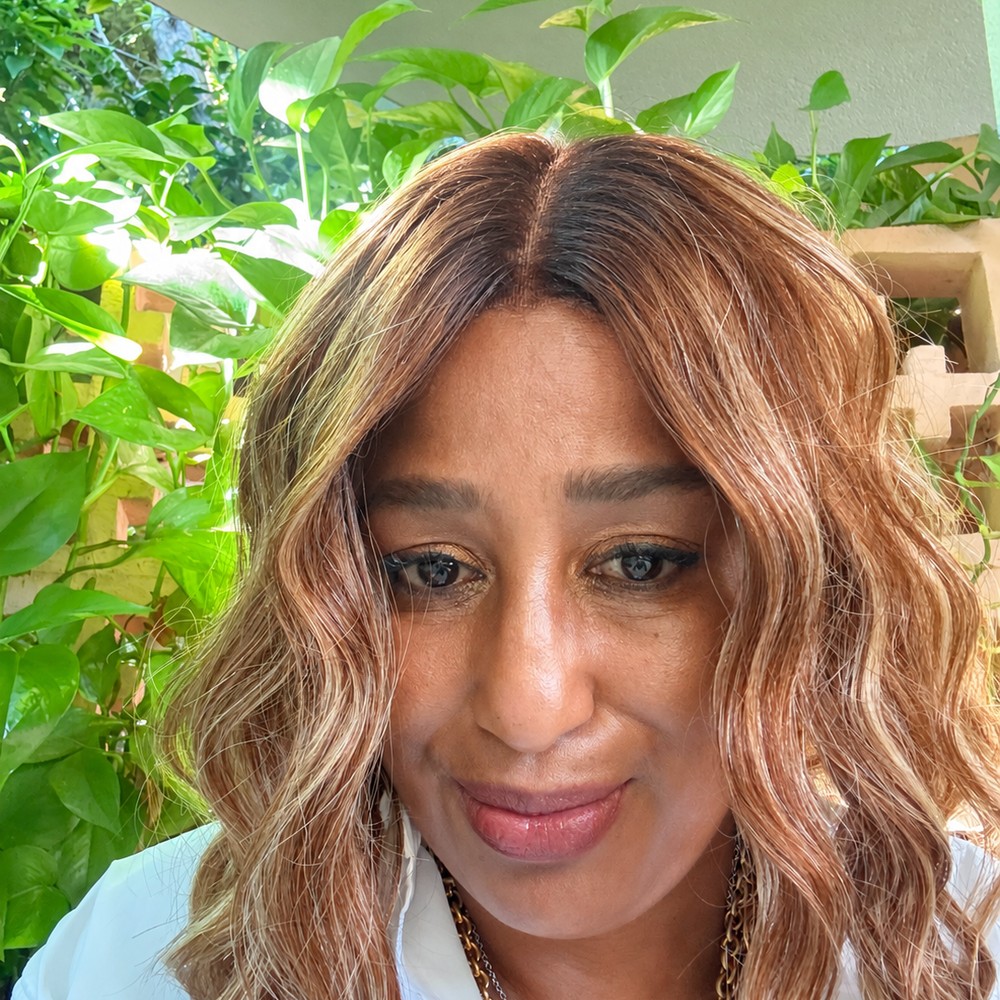
Creator | Host | Co-Executive Producer
Kat Vasseghi is a Bravo Commentator and the co-creator and co-host of The Good Edit w/ Elle & Kat, a culture-forward podcast where reality TV meets psychology, sociology, and sharp analysis. Previously known for her brand BravoRecs, Kat brings years of fluency in the Bravo universe its personalities, storylines, and fandoms paired with quick wit and a fan's instinct for the moments that matter. As a Bravo Commentator, she turns each recap into something sharper and more revealing than the average reaction show.
Known for her humor and culturally fluent takes, Kat reads the Bravo universe through the lens of the fans who live in it, catching the shifts and subtext other recaps miss. Alongside co-host Elle Schwartz, she co-created The Good Edit w/ Elle & Kat, blending cultural fluency, sharp humor, and elevated Bravo commentary into one of the most refreshing new voices in the reality TV podcast space.