Navigating Copyright: How Bravo Fan Creators Can Safely Review Books Without Infringement Claims
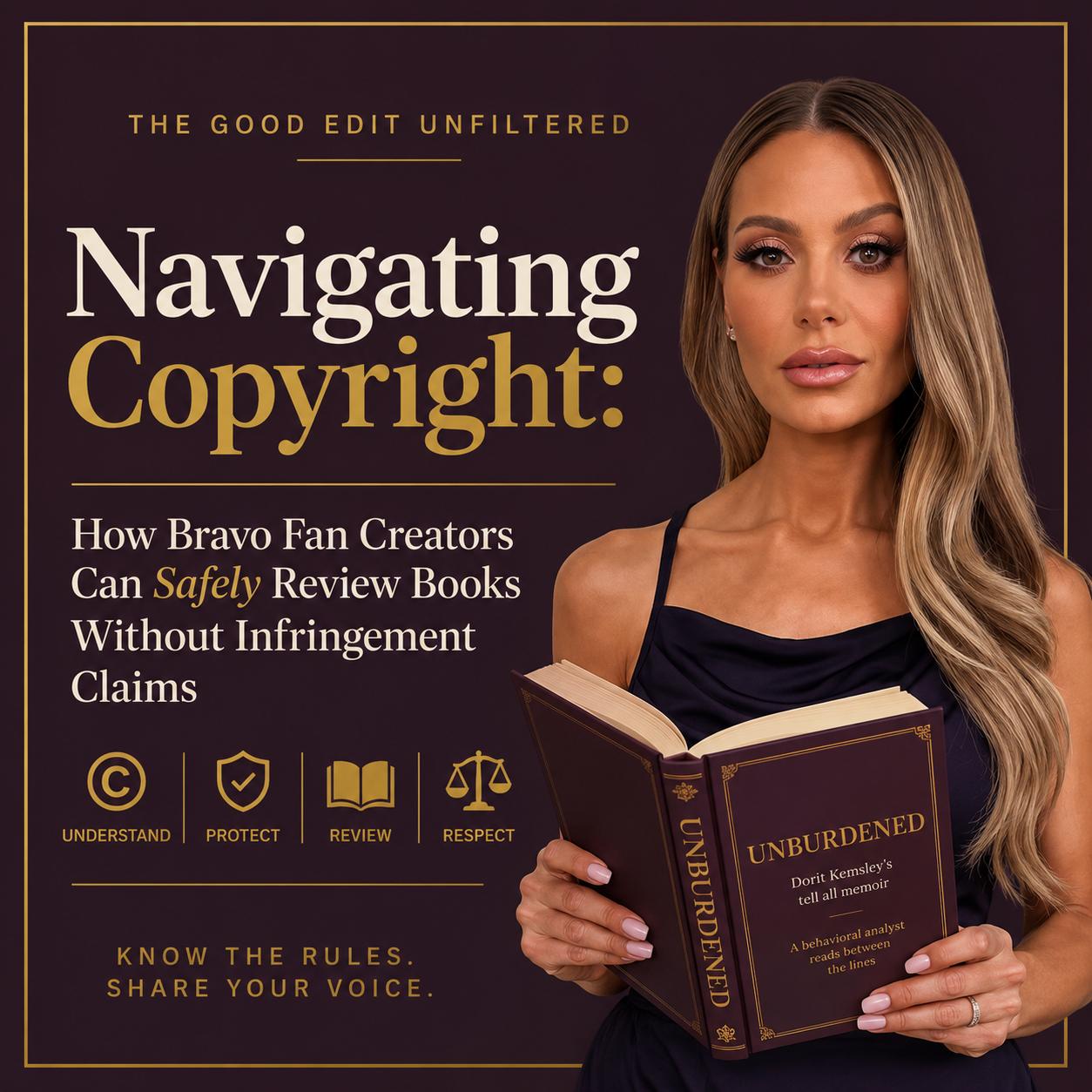
Legal Risks for Bravo Fan Creators |Discussing Bravo stars' published works, like Dorit Kemsley's book, presents a legal minefield for fan creators. Understand how to navigate fair use and avoid publisher takedowns when sharing reviews.
Key Takeaways
- Fan creators can face copyright claims for using book excerpts, even with positive commentary.
- Understanding 'fair use' is crucial for legally critiquing or discussing copyrighted material.
- Focusing on analysis and critique, rather than verbatim reproduction, minimizes legal risk.
- The line between supportive promotion and copyright infringement is a complex one for fan content creators.
- Proactive legal awareness can help fan creators engage with Bravo content without fear of takedowns.
The Dorit Kemsley Book Dispute: A Lesson for Fan Creators
The recent controversy surrounding a TikTok creator's review of Dorit Kemsley's book, 'Unburden,' highlights a critical and often overlooked legal risk for Bravo fan creators. The creator, who was sharing excerpts in what was intended as supportive commentary, received a publisher takedown notice. This incident, discussed on 'The Good Edit Unfiltered,' underscores the precarious balance fan creators must strike between enthusiastic engagement and respecting intellectual property rights. While the creator's intent was likely to drive interest and sales, the publisher's action demonstrates a strict interpretation of copyright law. This situation serves as a stark warning that even positive engagement can tread into legally contentious territory if not carefully managed.
Understanding 'Fair Use' in Book Reviews
At the heart of this issue lies the doctrine of 'fair use.' This legal principle permits the limited use of copyrighted material without permission for specific purposes, such as criticism, commentary, news reporting, teaching, scholarship, or research. However, the application of fair use is highly subjective and context-dependent. For fan creators reviewing books, this means carefully considering:
- Purpose and Character of the Use: Is the use transformative, such as for commentary or critique, or merely a reproduction of the original work? A review that analyzes themes, writing style, or personal impact is more likely to be considered fair use than one that simply reads large portions aloud.
- Nature of the Copyrighted Work: Books, especially those containing personal narratives or factual accounts, are subject to copyright protection. While factual elements might be less protected, the original expression and compilation are not.
- Amount and Substantiality of the Portion Used: Using only small, illustrative snippets to support commentary is generally viewed more favorably than using extensive passages or chapters. The more significant the portion used, the greater the risk of infringement.
- Effect of the Use Upon the Potential Market: Does the creator's use harm the market for the original work? If a review provides so much content that a potential buyer decides not to purchase the book, it could be seen as market harm. Conversely, if the review generates interest and leads to sales, it could be argued as beneficial.
The Dorit Kemsley book takedown suggests that the publisher in this instance did not view the creator's use as falling under fair use, perhaps due to the amount of text shared or the perceived impact on the book's sales.
Strategies for Bravo Fan Creators to Mitigate Risk
Given the complexities of copyright law, fan creators discussing Bravo personalities' literary works should adopt a cautious and informed approach. Several strategies can help mitigate legal risks:
- Focus on Analysis, Not Recitation: Instead of reading large chunks of text, focus your commentary on analyzing specific themes, characters, plot points, or the author's writing style. Use brief, targeted quotes sparingly to illustrate your points, and always attribute them clearly.
- Transformative Use is Key: Ensure your content adds value beyond simply re-presenting the original material. This could involve offering personal insights, connecting the book's themes to broader cultural trends, or providing critical analysis. Your unique perspective is your strongest defense.
- Understand the Medium: Different platforms have different policies and risk tolerances. While short clips might be tolerated on platforms like TikTok or Instagram, longer segments or verbatim readings could attract more scrutiny. Always be aware of each platform's terms of service.
- Attribute and Cite Clearly: While not a substitute for fair use, proper attribution can demonstrate good faith. Clearly state the book title, author, and publisher, and indicate that the material is copyrighted.
- Avoid Commercial Exploitation of Copyrighted Material: Do not use copyrighted book excerpts as the primary basis for monetizing your content without explicit permission. If you are running ads on videos that heavily feature copyrighted text, this could be viewed as commercial exploitation.
- Stay Informed About Legal Precedents: Keep abreast of legal rulings and industry discussions regarding copyright and fan content. The landscape is constantly evolving.
The Broader Implications for Fan Communities
The Dorit Kemsley book dispute is not an isolated incident. It reflects a broader tension between content creators and copyright holders in the digital age. Fan communities are often powerful drivers of interest and sales for various media, including books. When publishers or rights holders aggressively pursue takedowns against creators who are essentially acting as enthusiastic promoters, it can stifle organic marketing and alienate dedicated fans. For Bravo fan creators, who often build their platforms around discussing cast members' lives and projects, this legal uncertainty can be a significant deterrent. The challenge is to find a balance where creators can express their fandom and engage in critical discussion without facing the threat of legal action. The goal should be fostering a vibrant fan culture that benefits both creators and the Bravo universe they engage with.
For more in-depth discussions on Bravo cast dynamics and the wider world of reality TV, be sure to listen to The Good Edit Unfiltered Podcast w/ Elle and Kat. You can find the episode discussing these topics and more wherever you get your podcasts.
Frequently Asked Questions
Q: Can I read entire chapters of a book on my YouTube channel?
A: Generally, no. Reading entire chapters significantly increases the risk of copyright infringement, as it goes beyond the limited use typically allowed under fair use for commentary or criticism.
Q: What if my review is positive? Does that make it okay to use more content?
A: While positive intent is good, it doesn't automatically grant permission to use copyrighted material. The fair use analysis focuses on the nature of the use, the amount used, and the market impact, not solely on the sentiment of the review.
Q: How much of a book can I quote before it's considered too much?
A: There's no magic number. The key is to use only what is necessary to support your commentary or critique. If you can make your point effectively with a sentence or two, use that instead of a full paragraph. Consider the substantiality of the portion used in relation to the whole work.
Q: What steps should I take if I receive a copyright takedown notice?
A: Carefully review the notice to understand the specific claim. If you believe the use was permissible under fair use, you may be able to file a counter-notification. It's also advisable to consult with a legal professional specializing in intellectual property law to understand your options.
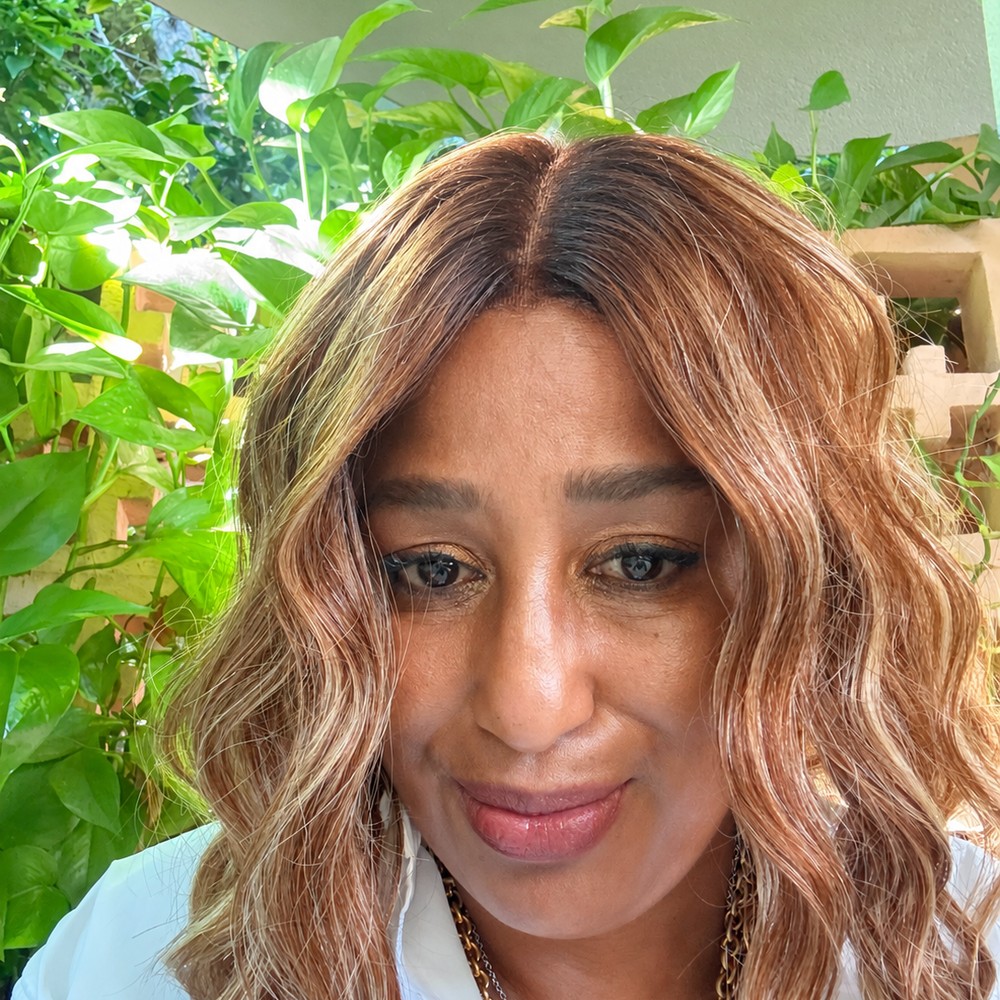
Creator | Host | Co-Executive Producer
Kat Vasseghi is a Bravo Commentator and the co-creator and co-host of The Good Edit w/ Elle & Kat, a culture-forward podcast where reality TV meets psychology, sociology, and sharp analysis. Previously known for her brand BravoRecs, Kat brings years of fluency in the Bravo universe its personalities, storylines, and fandoms paired with quick wit and a fan's instinct for the moments that matter. As a Bravo Commentator, she turns each recap into something sharper and more revealing than the average reaction show.
Known for her humor and culturally fluent takes, Kat reads the Bravo universe through the lens of the fans who live in it, catching the shifts and subtext other recaps miss. Alongside co-host Elle Schwartz, she co-created The Good Edit w/ Elle & Kat, blending cultural fluency, sharp humor, and elevated Bravo commentary into one of the most refreshing new voices in the reality TV podcast space.