Bravo Reality TV Casting: How Next Gen Stars Are Changing the Game
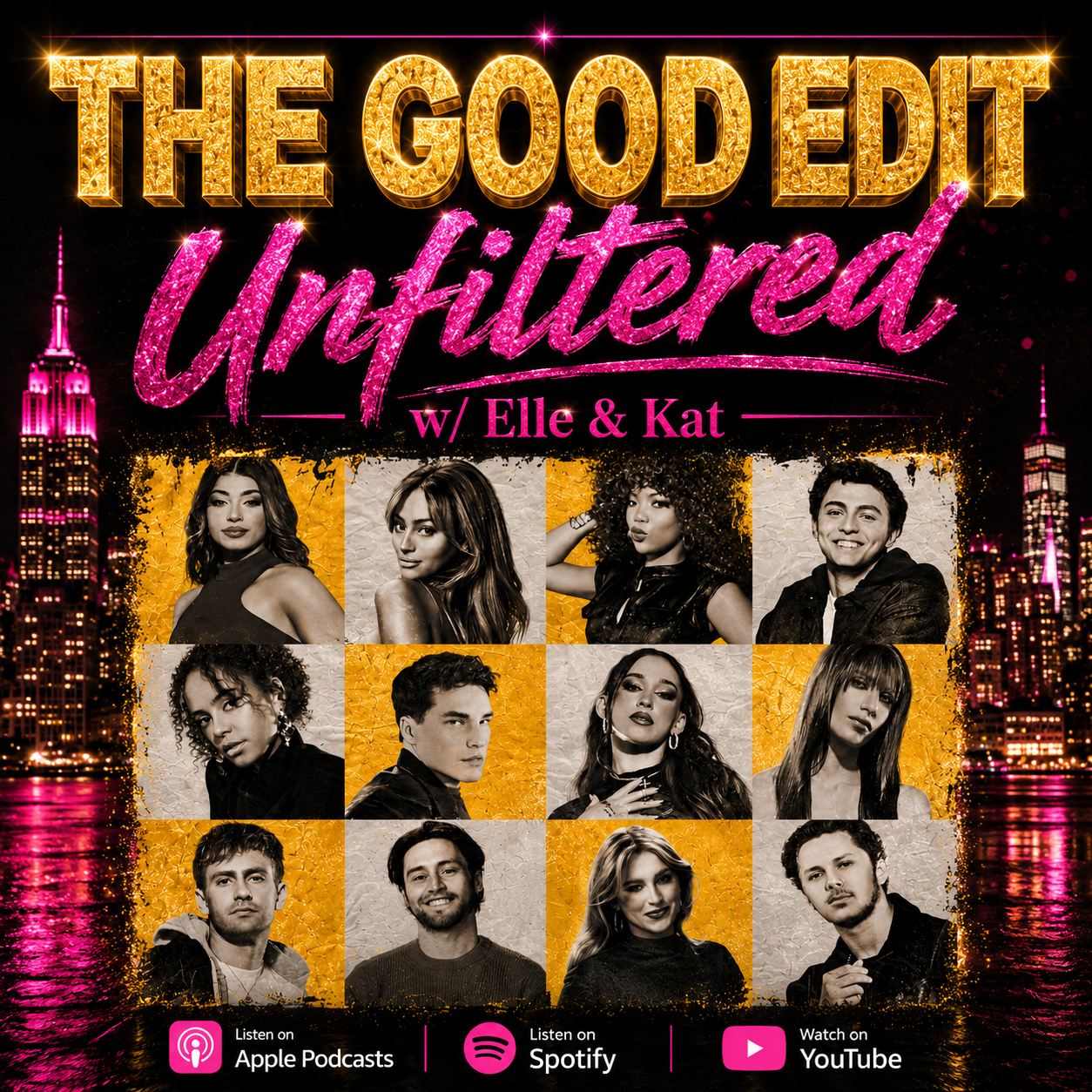
Bravo reality tv casting strategy |Reality television casting is undergoing a seismic shift as production companies move away from traditional archetypes in favor of younger, more authentic digital-first influencers. This evolution focuses on identifying talent who can navigate the complex intersection of genuine personality and strategic brand building, fundamentally altering how Bravo constructs narratives, manages audience expectations, and fosters long-term franchise viability in the social media era.
Key Takeaways
- The transition toward 'Next Gen' talent prioritizes relatability and pre-existing digital engagement over traditional reality TV tropes.
- Modern casting now heavily weighs a star's ability to handle public scrutiny without breaking the fourth wall of the show.
- Authenticity is the new primary currency for Bravo, with producers seeking personalities who align with contemporary social values.
- Successful casting in the current climate requires a balance between on-screen drama and off-screen psychological resilience.
- Diversity in background and career paths is replacing the homogenized casts of previous reality TV eras.
The Evolution of Bravo Casting Strategies
For years, the Bravo casting formula was relatively static: find individuals with high-status lifestyles, a penchant for social friction, and a willingness to be filmed. However, the landscape has shifted. As discussed on The Good Edit Unfiltered, the new wave of talent isn't just about wealth or social climbing—it is about the ability to command a digital audience. The 'Next Gen' of Bravo stars, exemplified by the rise of personalities like Caleb McDaniel, reflects a pivot toward figures who possess an inherent, almost effortless sense of modern authenticity.
This shift isn't accidental. Producers realize that today's viewers are hyper-sensitive to manufactured drama. By casting individuals who have already established a brand or a following, the network benefits from built-in audience trust. When these new stars join a franchise, they don't have to 'sell' themselves to the audience; they simply have to adapt their pre-existing presence to the high-stakes environment of a reunion special or a multi-episode narrative arc.
Why Authenticity is the New Standard
In the past, reality villains were often cartoonish, and heroes were curated to perfection. Today’s viewers crave a raw, unfiltered glimpse into the lives of the cast. This is why the 'next gen' stars who succeed are those who embrace their flaws. We are seeing a decline in interest regarding the 'perfect housewife' archetype and an increase in interest regarding the 'relatable individual' navigating public life. This move towards vulnerability helps combat the toxic feedback loops that often plague long-running reality shows, as it encourages a more nuanced dialogue between the audience and the stars.
Navigating the Social Media Landscape
A significant portion of modern casting involves assessing how a potential cast member handles the digital vitriol that comes with fame. The rise of social media commentary has made it incredibly difficult for stars to maintain their mental health. Bravo’s current strategy, as noted in our latest analysis, includes looking for individuals who can pivot away from the 'chaos' of digital commentary while still being engaging on camera.
It is a difficult balance. Stars must engage enough to remain relevant but insulate themselves from the negative feedback loops that can destroy their public image. This is where the 'Next Gen' stars often excel; they were born into the digital age. They understand that every post, caption, and comment is part of the performance. They are not just talent; they are their own publicists, social media managers, and brand strategists, allowing them to exert more control over their own narratives than the stars of a decade ago ever could.
The Impact on Franchise Longevity
As networks look toward the future, the integration of new blood is essential for keeping franchises like RHOA or RHOSLC fresh. The goal is to create a dynamic where legacy cast members can mentor or clash with new arrivals, creating a multi-generational friction that keeps viewers coming back season after season. This isn't just about changing faces; it's about changing the 'energy' of the show. By introducing stars who represent different life stages and different ways of using social media, Bravo ensures that its content remains relevant to a diverse and evolving demographic.
Ultimately, the future of reality television lies in the ability to bridge the gap between traditional entertainment and digital-first reality. For fans who want to understand the deeper mechanics of how these changes are being implemented behind the scenes, we recommend digging into the specifics of the current cast shifts. Listen to the full episode for a breakdown of the latest casting news and our unfiltered analysis of how these changes impact the future of our favorite shows.
Frequently Asked Questions
How does social media influence Bravo casting?
Social media acts as a barometer for public perception. Casting directors now look for 'Next Gen' talent with established, authentic digital followings because these individuals arrive with built-in viewer investment and a proven ability to manage public interaction.
What makes a 'Next Gen' reality star different?
Unlike traditional reality stars who relied on producers to craft their fame, 'Next Gen' stars are digital natives. They use social media as an extension of their personal brand, offering curated yet raw glimpses into their lives that appeal to modern, younger viewers.
Why is the Bravo audience craving authenticity?
Over-produced, 'fake' drama is easily detected by current audiences. As viewers have become more media-literate, they demand transparency and genuine human responses, pushing networks to cast individuals who are willing to show their vulnerabilities rather than just their wealth.
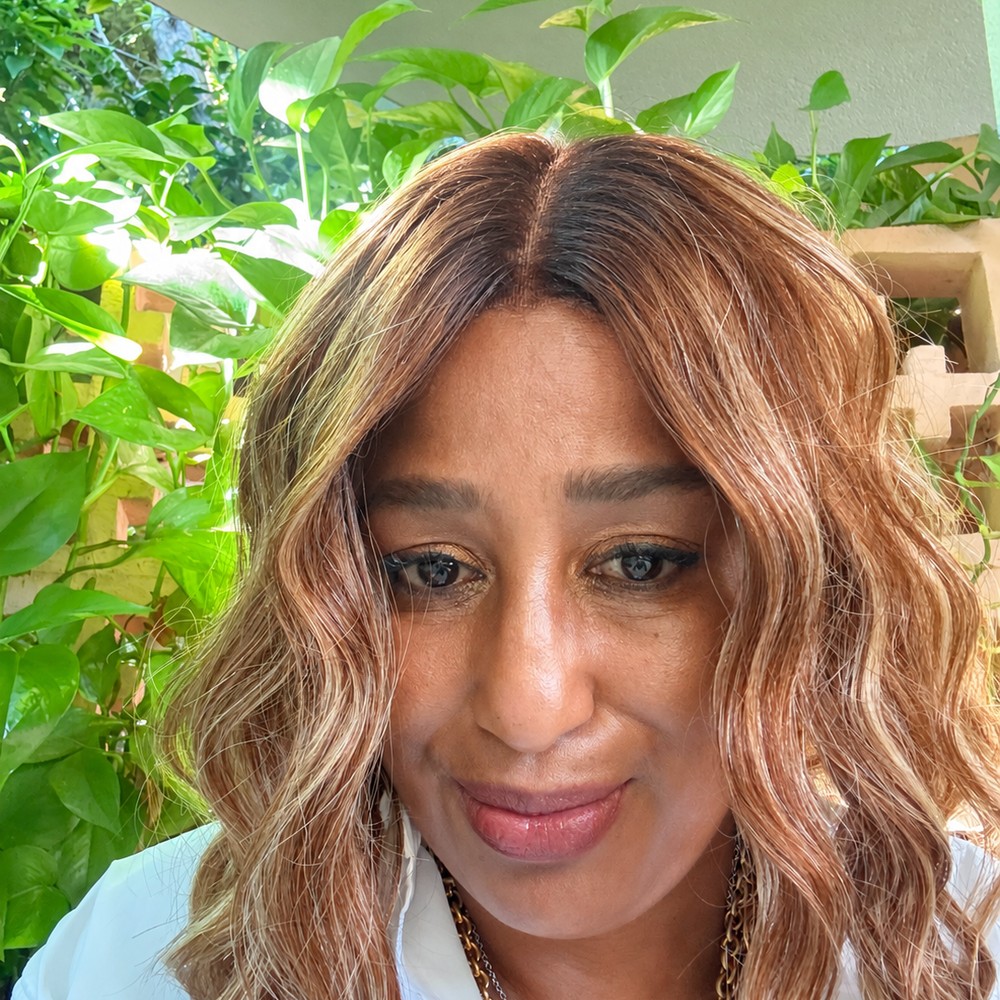
Creator | Host | Co-Executive Producer
Kat Vasseghi is a Bravo Commentator and the co-creator and co-host of The Good Edit w/ Elle & Kat, a culture-forward podcast where reality TV meets psychology, sociology, and sharp analysis. Previously known for her brand BravoRecs, Kat brings years of fluency in the Bravo universe its personalities, storylines, and fandoms paired with quick wit and a fan's instinct for the moments that matter. As a Bravo Commentator, she turns each recap into something sharper and more revealing than the average reaction show.
Known for her humor and culturally fluent takes, Kat reads the Bravo universe through the lens of the fans who live in it, catching the shifts and subtext other recaps miss. Alongside co-host Elle Schwartz, she co-created The Good Edit w/ Elle & Kat, blending cultural fluency, sharp humor, and elevated Bravo commentary into one of the most refreshing new voices in the reality TV podcast space.