The Price of a Click: How Reality TV Stars Risk Their Careers with Digital Footprints
Reality Stars Social Media Risk | When a Real Housewives star hits the 'like' button on a controversial post, the consequences are rarely confined to their personal feed. This guide examines the professional accountability that reality stars now face when their digital activity conflicts with network values, exploring why production teams and brand partners are increasingly auditing the social media histories of their talent as a standard risk management strategy.
Key Takeaways
- Digital behavior is now a critical component of professional vetting for reality TV casting.
- A 'like' or 'comment' is legally and socially viewed as an endorsement, creating potential liability for Bravo and Peacock.
- Networks are shifting from reactive damage control to proactive behavioral screening.
- The disconnect between a curated onscreen persona and a raw social media footprint often leads to audience alienation.
- Social media accountability is the new primary filter for career longevity in the reality television industry.
The New Reality of Digital Audits
In the past, the casting process for reality television focused heavily on charisma, conflict, and aesthetic appeal. Today, the most important part of a background check happens on Instagram and X (formerly Twitter). As we discussed on the podcast, when cast members from franchises like RHOC or RHORI engage with polarizing content, they aren't just expressing a private opinion—they are essentially conducting a public audit of their own marketability. The 'like' button has become the most dangerous tool in a reality star’s arsenal, frequently serving as the catalyst for public outcry that threatens to dismantle their season's narrative.
The Endorsement Fallacy
Many reality stars fall into the trap of believing that liking a post is a private action. However, in the era of viral screenshots, nothing is private. Networks like Bravo are hyper-aware of how a star’s online activity reflects on the brand. When a talent supports content that is perceived as transphobic, homophobic, or discriminatory, they are not just offending the audience; they are violating the moral clauses often found in talent contracts. The professional fallout is rarely a matter of 'canceling'—it is a matter of contractual liability. If a star’s online footprint makes them radioactive to advertisers, their presence on the show becomes a liability that production can no longer afford.
Shifting Audience Expectations and Accountability
The relationship between the audience and the reality star has fundamentally changed. We no longer just consume the 'edit' provided by producers; we engage in digital archaeology. Viewers are now effectively acting as volunteer compliance officers, scouring the past and present social media behavior of their favorite (and least favorite) Housewives. This shift has forced a reckoning for production companies. They can no longer ignore the digital receipts, because the audience uses those receipts as evidence of who these people 'really' are, regardless of how they are framed on screen.
The Production Dilemma: Authenticity vs. Risk
Producers are often left with a difficult choice: do they highlight a star’s problematic social media behavior to drive engagement, or do they insulate the show from the fallout by editing around it? As we analyzed, savvy producers often walk a razor-thin line, balancing the need for 'authentic' conflict with the necessity of protecting the franchise. When a cast member’s online behavior alienates a significant portion of the audience, the show’s 'authenticity' is compromised. The audience stops watching for the drama and starts watching for the inevitable downfall, which creates a toxic environment that ultimately devalues the product.
Navigating Professional Consequences
For those living in the public eye, the professional consequences of a social media blunder are becoming increasingly permanent. Brand partnerships are often the first to dissolve, followed by the slow phasing out of the talent during the following season’s casting cycle. We have seen time and again that while a scandal might bring short-term attention, it rarely contributes to long-term career success. Reality TV stars are learning, sometimes the hard way, that their brand is no longer just their personality—it is the sum of every interaction they have online.
Conclusion
The era of treating social media as a casual outlet for personal venting is officially over for public figures. If you want to understand the deeper implications of these digital missteps and why they are currently shaking up the industry, you need to hear the full conversation. Listen to the full episode of The Good Edit Unfiltered to get the deep dive on how these online choices are reshaping the future of Bravo's biggest shows.
Frequently Asked Questions
Can a social media like really get a Housewife fired?
While a single 'like' might not trigger an immediate firing, a pattern of engagement with controversial content often leads to contract non-renewal, as it creates brand liability for the network and alienates the core audience.
How do producers handle cast scandals on-air?
Producers often choose to either ignore the controversy to keep the show's narrative flow intact or, if the scandal is too large to overlook, they may integrate it into the storyline to hold the talent accountable, often resulting in a tense reunion confrontation.
Do networks monitor all cast social media activity?
Yes, most major production companies have teams dedicated to social media monitoring to assess risk and anticipate public backlash before it reaches a fever pitch.
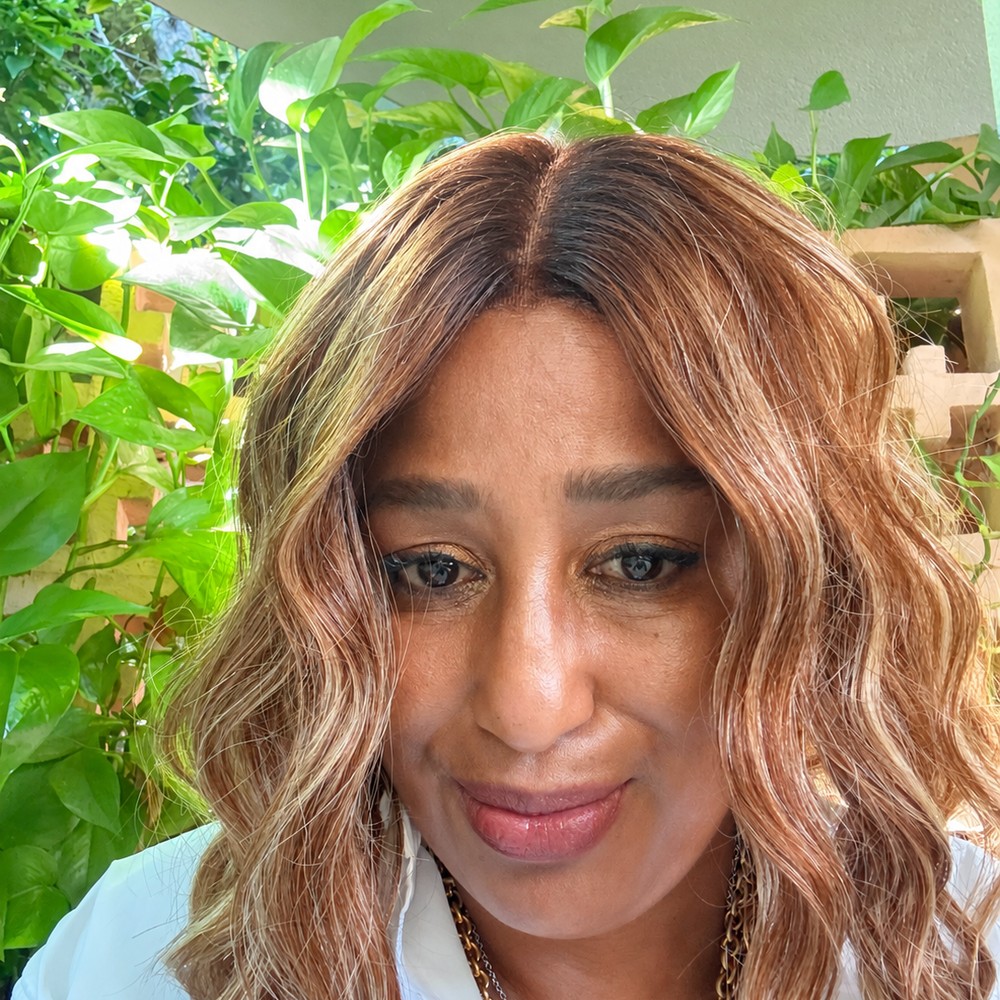
Creator | Host | Co-Executive Producer
Kat Vasseghi is a Bravo Commentator and the co-creator and co-host of The Good Edit w/ Elle & Kat, a culture-forward podcast where reality TV meets psychology, sociology, and sharp analysis. Previously known for her brand BravoRecs, Kat brings years of fluency in the Bravo universe its personalities, storylines, and fandoms paired with quick wit and a fan's instinct for the moments that matter. As a Bravo Commentator, she turns each recap into something sharper and more revealing than the average reaction show.
Known for her humor and culturally fluent takes, Kat reads the Bravo universe through the lens of the fans who live in it, catching the shifts and subtext other recaps miss. Alongside co-host Elle Schwartz, she co-created The Good Edit w/ Elle & Kat, blending cultural fluency, sharp humor, and elevated Bravo commentary into one of the most refreshing new voices in the reality TV podcast space.