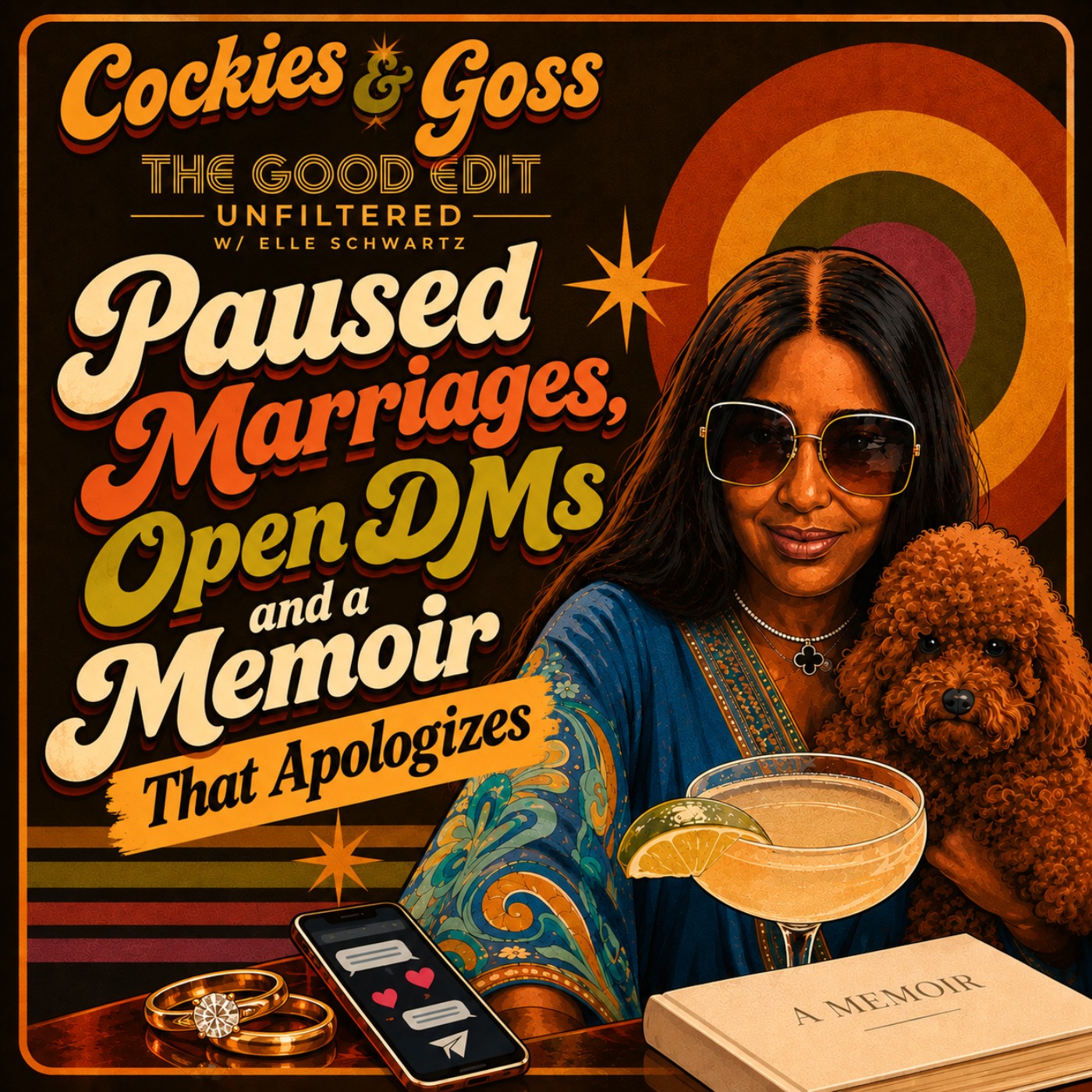
Can a Memoir Be a Real Apology? Examining Shep Rose and Taylor Ann Green's Dynamic
When Shep Rose frames his ayahuasca-inspired memoir, Nothing in Moderation, as an apology to ex-girlfriend Taylor Ann Green, it raises critical questions about accountability in the public eye. Can a book written for mass consumption truly function as a genuine apology, or is it just another way to control the narrative after a messy reality TV breakup?
Key Takeaways
- Shep Rose positions his memoir, Nothing in Moderation, as an apology for how he treated Taylor Ann Green during their Southern Charm relationship.
- Memoirs written by reality stars often blur the line between genuine contrition and strategic image rehabilitation.
- Behavioral analysis reveals how public figures use publishing platforms to author their own redemption arcs.
- Financial and emotional stakes dictate how reality TV breakups are monetized long after cameras stop rolling.
- Listeners can dive deeper into these narrative tactics on The Good Edit Unfiltered.
The Anatomy of a Reality TV Apology
For years, viewers watched Shep Rose navigate relationships on Southern Charm with a trademark mix of charm and commitment-phobia. When his relationship with Taylor Ann Green ultimately fractured, the fallout played out across reunion stages and social media. Now, with the release of his book, Shep is attempting to rewrite or at least recontextualize those years. But behavioral analysis suggests that public apologies wrapped in book contracts carry an inherent conflict of interest.
When someone apologizes privately, the focus is entirely on the aggrieved party. When someone apologizes via a commercially published memoir, the focus expands to include book sales, press tours, and public perception. Elle Schwartz explores this exact phenomenon on The Good Edit Unfiltered, examining how reality TV stars manage their public image when the dust finally settles.
Ayahuasca, Epiphanies, and the Publishing Deal
Shep attributes much of his newfound self-awareness to spiritual exploration, specifically mentioning ayahuasca as a catalyst for his introspection regarding Taylor. While mind-altering substances and intense therapeutic retreats can certainly spark personal growth, utilizing them as the narrative backbone for a celebrity memoir complicates the authenticity of the gesture.
An apology requires vulnerability without the safety net of a PR team or an editor. By making Taylor the "muse" of a book that he profits from, the power dynamic remains entirely unchanged. Shep is still holding the pen, dictating the terms of how their relationship is remembered by the audience.
Controlling the Narrative After the Cameras Stop
Reality television stars live and die by the edit. While active on a show, producers shape their behavior into digestible archetypes. Once they leave the show—or in Shep's case, when they transition into authorial projects—they fight fiercely to reclaim that narrative. Writing a book allows a former Bravo star to bypass the reunion couch and present a polished, definitive version of events.
However, audiences have grown increasingly savvy. Viewers can spot a calculated PR pivot from a mile away. When a public figure spends seasons demonstrating specific behavioral patterns on screen, a printed apology in a hardcover book rarely erases the historical record. True accountability looks less like a marketing campaign and more like quiet, consistent behavioral changes away from the spotlight.
Conclusion and Final Thoughts
Ultimately, Shep Rose's memoir highlights a fascinating intersection between reality television culture and modern literary marketing. While Nothing in Moderation gives fans plenty to talk about, it serves as a reminder that published apologies should always be consumed with a healthy dose of skepticism.
If you want to hear a behavioral breakdown of how reality stars manipulate their personal stories, make sure to Listen to the full episode of The Good Edit Unfiltered. Subscribe on your favorite podcast platform to join the Edittors community and catch every deep-dive analysis!
Frequently Asked Questions
Is Shep Rose's memoir considered a genuine apology to Taylor Ann Green?
While Shep frames the book as an acknowledgment of his past mistakes, behavioral analysts point out that monetizing an apology through a published memoir introduces a conflict of interest regarding true accountability.
What role did ayahuasca play in Shep Rose's book?
Shep has credited spiritual experiences, including ayahuasca use, as the catalyst for the self-reflection and guilt that inspired him to write about his treatment of Taylor in Nothing in Moderation.
How do reality TV stars use memoirs to control their narrative?
Writing a book allows former cast members to bypass show editing and reunion restrictions, enabling them to present a polished, one-sided version of their past relationships directly to fans.
Where can I listen to the full discussion on reality TV memoirs and breakups?
You can listen to the complete breakdown on The Good Edit Unfiltered episode page or via major podcast apps like Apple Podcasts and Spotify.