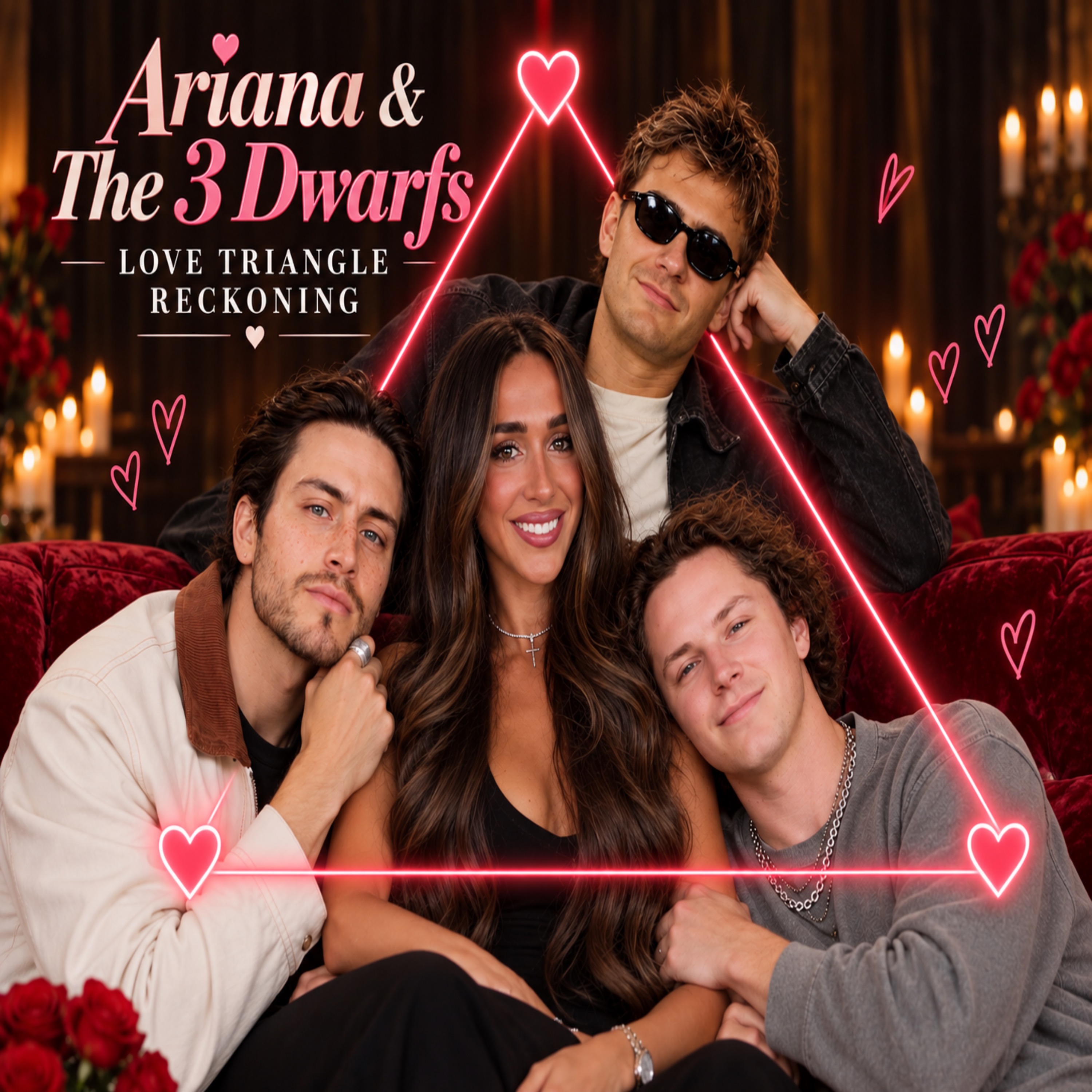
Charlie Zakkour vs Liam Obergfoll: Decoding the Reality TV Male Ego
Reality television thrives on complex interpersonal webs, but few dynamics expose the fragile nature of the male ego quite like a multi-man pursuit. When analyzing the behavior of men caught in high-stakes reality TV love triangles, behavioral patterns quickly emerge that separate posturing from genuine self-awareness. By examining the contrasting approaches of figures like Charlie Zakkour and Liam Obergfoll, viewers gain a fascinating look at how ego, accountability, and emotional intelligence collide under the bright lights of a reunion stage.
Key Takeaways
- Charlie Zakkour's aggressive posturing and attacks typically stem from deep-seated personal hurt and rejection.
- Liam Obergfoll successfully navigates the season by offering grace while maintaining clear boundaries, making him a standout.
- The dynamic between Charlie, Liam, and Hudson McLeroy showcases classic reality TV male ego preservation tactics.
- Ariana Biermann's ultimate rejection of Charlie—down to refusing his hug—highlights a shift toward genuine accountability on screen.
The Anatomy of Reality TV Male Ego: Charlie Zakkour's Playbook
When a reality TV personality faces public rejection or a bruised ego, the defense mechanisms are often loud, defensive, and deeply revealing. Charlie Zakkour's behavior throughout the season and the subsequent reunion provides a textbook study in deflection. Behavioral analysis shows that when men like Charlie launch aggressive counter-attacks or manufactured feuds—such as his clashes with Georgia McCann—it is rarely about the surface-level issue. Instead, it is a protective shield against vulnerability.
Charlie spent significant time trying to rewrite the narrative of his interactions, most notably regarding his apartment where Ariana Biermann laid out every reason she would never date him right before a contradictory kiss. When confronted with these inconsistencies, the instinct for someone operating from pure ego is to pass the blame. Charlie saw a loophole in Hudson McLeroy's absence from the season and tried to maneuver within it, but his inability to take accountability ultimately alienated him from both the cast and the audience.
The Cost of Deflection and Collateral Damage
In reality television ecosystems, collateral damage is an inevitable byproduct of unchecked male ego. When Charlie sought to manage his image and redirect the spotlight away from his own contradictory actions, other cast members like Emira were dragged into the crossfire. Emira ultimately had to step up and hold both Charlie and Georgia accountable for weaponizing situations for maximum public reaction. This pattern proves that when ego drives the narrative, collateral damage is simply collateral acceptable to the person driving the drama.
The Counterbalance: Liam Obergfoll and Emotional Intelligence
In sharp contrast to Charlie's defensive posturing stands Liam Obergfoll, who emerged as the emotional standout of the reunion. What makes Liam's trajectory compelling from a behavioral standpoint is his capacity for nuance. He managed the impossible feat of maintaining a cordial relationship with Charlie while still firmly calling him out on his behavior.
Ariana Biermann's organic attraction to Liam makes complete psychological sense when viewed through the lens of emotional safety. While Charlie offered a rollercoaster of mixed signals and defensive maneuvers, Liam offered consistency and grace. Even when Hudson McLeroy injected messiness into the dynamic with phone calls about kisses, Liam maintained his composure. He didn't need to tear others down to elevate his own position, showcasing a maturity that is all too rare in the genre.
Hudson McLeroy's Absentee Loophole
The third vertex of this narrative triangle, Hudson McLeroy, introduced a fascinating variable by opening up about what truly kept him away early in the season. In reality TV analysis, absence does not make the heart grow fonder; it creates a vacuum. Charlie capitalized on that vacuum, weaponizing Hudson's physical absence to carve out territory. However, Hudson's eventual return—and his decision to stir the pot by calling Liam regarding a kiss—demonstrated how off-screen dynamics bleed back onto the screen in messy ways.
Accountability and Closing the Door For Good
The ultimate reckoning of any reality TV love triangle comes down to accountability. Credit must be given where it is due: Ariana Biermann ultimately owned her part in the chaos. She didn't shy away from the contradictions of her past choices or the apartment conversation. When Andy Cohen made room for real accountability, Ariana stepped up.
The most telling moment of emotional finality came when Ariana officially closed the door on Charlie, refusing even his parting hug. In the world of reality television, forced reconciliation hugs are a staple used to wrap up loose ends for the cameras. By refusing the hug, Ariana rejected the false narrative of closure, signaling that true boundaries matter more than a tidy television ending. It was a masterclass in protecting one's peace against a lingering ego.
Conclusion
Reality television is heavily shaped by the edits we see, but human behavior beneath the surface always tells the true story. The interplay between Charlie's defensive ego, Liam's grounded emotional intelligence, and Ariana's hard-earned accountability gives us a masterclass in how modern romance plays out under microscopic scrutiny. If you want to dive deeper into the behavioral breakdowns of your favorite reality TV moments, Listen to the full episode of The Good Edit Unfiltered. Tune in to hear Elle Schwartz unpack every scene with the analytical precision these moments deserve, and join the Edittors community for more unfiltered reality TV analysis.
Frequently Asked Questions
Why does Charlie Zakkour attack people during the reunion?
Behavioral analysis suggests that Charlie's aggressive attacks and feuds often stem from hurt pride and an inability to process rejection constructively on camera.
How does Liam Obergfoll handle conflict differently than Charlie?
Liam manages to maintain a friendly disposition toward Charlie while simultaneously calling out poor behavior, allowing him to stay above the fray.
What role does Hudson McLeroy play in the love triangle dynamics?
Hudson's absence early in the season created a loophole that Charlie exploited, while Hudson's later involvement—such as calling Liam about a kiss—added unnecessary complexity.
How does Ariana Biermann finally resolve her situation with Charlie?
Ariana owns her past mixed signals, explicitly closes the door on any future romantic prospects with Charlie, and firmly refuses to accept his parting hug.