The Art of the Edit: How Production Tactics Amplify Colorism on Reality TV
Colorism and Reality TV Production Tactics | Dive into the subtle yet powerful ways reality TV productions manipulate narratives, specifically focusing on how 'colorism and production tactics on reality tv' are used to create manufactured drama and shape viewer perception. This post dissects the behind-the-scenes strategies.
Key Takeaways
- Producers strategically amplify existing societal biases like colorism to engineer conflict and enhance storylines.
- Selective editing and narrative framing can weaponize perceived differences, turning minor incidents into major plot points.
- Understanding these production tactics empowers viewers to discern manufactured drama from genuine interpersonal conflict.
- The pursuit of higher ratings often leads to the exploitation of sensitive social issues for entertainment value.
- Authentic representation on reality TV requires greater transparency from production and more critical engagement from audiences.
The Invisible Hand of Production in Colorism Narratives
Reality television thrives on drama, but the source of that drama is not always organic. Behind the glittering facades and heated arguments lies a sophisticated production machine that meticulously crafts narratives. When it comes to sensitive issues like colorism, production teams often act as unseen puppet masters, subtly (or not so subtly) guiding the on-screen interactions to serve their storytelling agenda. This isn't about ignoring societal issues; it's about strategically leveraging them for maximum impact. The podcast episode references how issues surrounding colorism, such as those potentially experienced by cast members like Shamea Morton on The Real Housewives of Atlanta, can become focal points for manufactured conflict. Production might identify pre-existing sensitivities or subtle biases within a cast and then amplify them through focused questioning, selective camera angles, or the strategic placement of certain individuals in scenes. The goal is to create compelling television, but in doing so, they risk exploiting real-world prejudices and perpetuating harmful stereotypes for the sake of ratings. This deliberate manipulation means that the divisions viewers see on screen are not always a reflection of genuine cast dynamics, but rather a product of calculated production choices.
Editing as a Tool for Division
The editing room is where raw footage transforms into a polished narrative, and for reality TV, it's a critical battleground for shaping perception. In the context of colorism, editors possess immense power to frame interactions in a way that highlights perceived slights or amplifies misunderstandings. A producer might choose to juxtapose a particular comment with a specific reaction, implying a connection or causality that never truly existed in real-time. They can meticulously select confessionals that paint one cast member in a negative light, while strategically omitting their justifications or counterarguments. This process of selective storytelling can create a false impression of widespread animosity or bias, even when the reality is far more nuanced. By focusing intently on instances where skin tone might be perceived as a factor in interpersonal dynamics, even if indirectly, production can manufacture a narrative thread that resonates with existing societal discussions about race. This tactic serves to deepen the manufactured drama, ensuring viewers are captivated by the perceived conflict, while obscuring the manipulative hand guiding the edit. The result is a distorted portrayal of reality, where underlying social issues are weaponized for entertainment.
Identifying Manufactured Conflict
For the astute viewer, recognizing these production tactics is key to consuming reality TV critically. When watching shows where 'colorism and production tactics on reality tv' are at play, pay attention to the pacing and focus of storylines. Are certain cast members consistently portrayed in a negative light without full context? Are conversations about race or appearance disproportionately highlighted compared to other aspects of their lives? Production often excels at creating a sense of urgency and high stakes around specific interpersonal conflicts. If a particular disagreement or perceived slight related to appearance or skin tone seems to dominate a season's narrative, it's worth questioning whether this is a natural escalation of conflict or a storyline being deliberately amplified. The courage of individuals like Shamea Morton to speak out about their experiences, even if framed within the show's dramatic structure, offers a glimpse into the real issues that production may then exploit. By understanding that producers are incentivized to create drama, viewers can begin to distinguish between authentic cast interactions and narratives that have been meticulously constructed to provoke a reaction. This critical lens empowers audiences to appreciate the entertainment value without necessarily accepting the manufactured reality as gospel.
The Ethical Implications of Amplifying Bias
The business model of reality television often hinges on exploiting societal fault lines, and colorism is a particularly sensitive and damaging area to leverage for entertainment. While shows like The Real Housewives franchise pride themselves on showcasing the lives of affluent individuals, the underlying production strategies can inadvertently perpetuate harmful stereotypes and contribute to real-world prejudice. When production teams actively amplify discussions or conflicts rooted in perceived differences in skin tone, they risk contributing to a culture where these biases are normalized or even encouraged. The ethical line becomes blurred when the pursuit of ratings leads to the exploitation of deeply ingrained societal issues. This raises crucial questions about the responsibility of networks and production companies to portray sensitive topics with integrity, rather than simply as plot devices. The podcast episode's discussion implicitly highlights this tension: the desire for captivating television versus the potential harm caused by amplifying discriminatory attitudes, however subtly. Moving forward, there's a growing demand for greater accountability within the industry, pushing for more mindful storytelling that respects the complexities of race and representation, rather than exploiting them for drama.
Beyond the Surface: Demanding Authentic Representation
The conversation around 'colorism and production tactics on reality tv' extends beyond individual episodes and cast members; it speaks to the broader landscape of representation in media. As viewers, we have the power to influence the narratives presented to us. By engaging critically with the content, questioning the manufactured drama, and demanding more authentic portrayals, we can push the industry toward greater accountability. This involves recognizing that reality TV is a constructed reality, and understanding the techniques used to shape it is the first step. The podcast episode serves as a reminder that behind every dramatic confrontation and carefully curated storyline, there are intentional choices being made. By supporting shows and networks that prioritize genuine representation and ethical storytelling, and by voicing our concerns when those standards are not met, we contribute to a more conscious and responsible media environment. Ultimately, the goal is to move beyond superficial drama and appreciate the multifaceted realities of the people we see on screen, demanding that their stories are told with respect and integrity.
For a deeper dive into these complex dynamics and to hear the full analysis, listen to the episode Marcellus Wiley AnneMarie Willey | Bravo TV Cast Analysis & Scandals.
Frequently Asked Questions
What exactly is colorism in the context of reality TV?
Colorism in reality TV refers to the differential treatment or perception of individuals based on their skin tone, often perpetuating societal biases where lighter skin tones are favored over darker ones. Production can exacerbate this by highlighting or focusing on conflicts that seem rooted in these biases.
How do production tactics specifically amplify colorism?
Production can amplify colorism through selective editing, framing conversations to imply bias, focusing on microaggressions related to skin tone, and strategically casting individuals who may fit certain societal biases, thereby creating or intensifying drama around these issues.
Is it possible for reality TV to address colorism without exploiting it?
Yes, it's possible through more responsible and nuanced storytelling, focusing on genuine experiences and fostering constructive dialogue rather than manufacturing conflict or perpetuating stereotypes for entertainment value. This requires ethical considerations from production.
How can viewers become more critical of production tactics?
Viewers can become more critical by questioning the narrative framing, looking for missing context, observing patterns in how cast members are portrayed, and understanding that reality TV is a heavily produced product designed for entertainment, not necessarily objective truth.
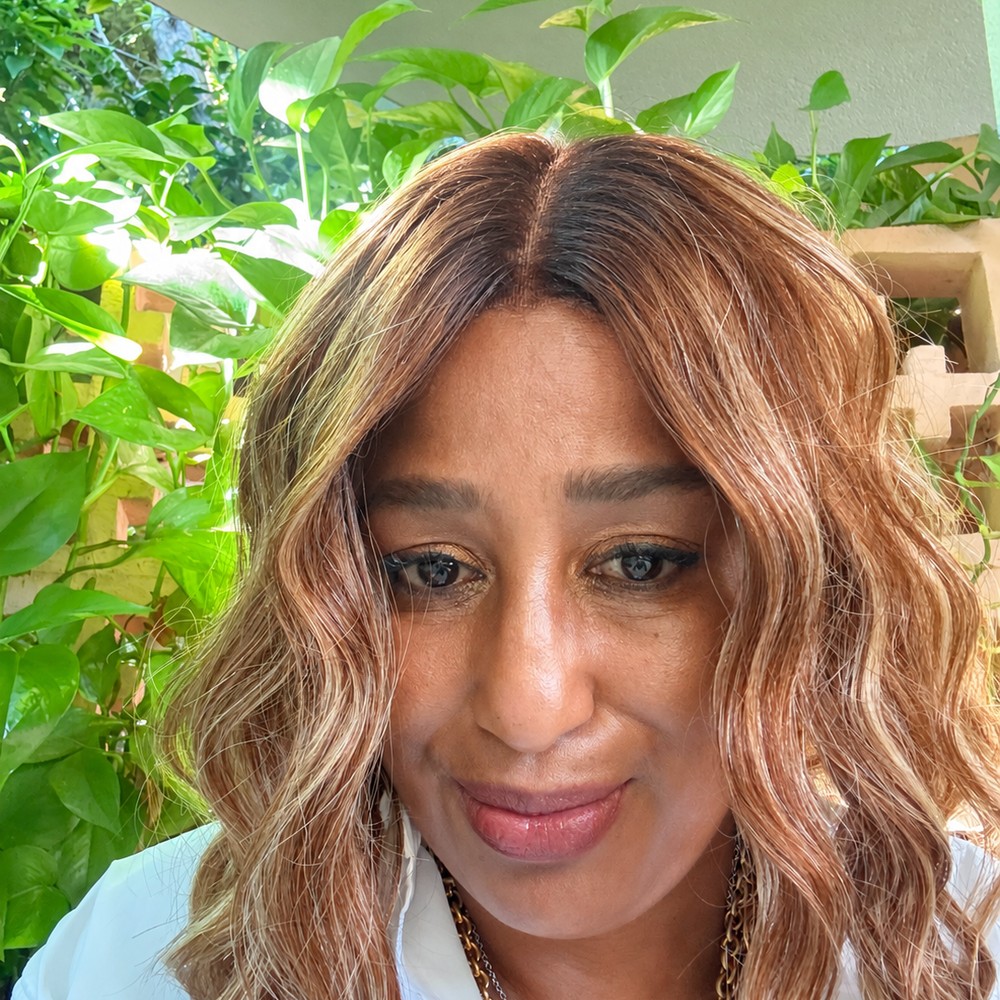
Creator | Host | Co-Executive Producer
Kat Vasseghi is a Bravo Commentator and the co-creator and co-host of The Good Edit w/ Elle & Kat, a culture-forward podcast where reality TV meets psychology, sociology, and sharp analysis. Previously known for her brand BravoRecs, Kat brings years of fluency in the Bravo universe its personalities, storylines, and fandoms paired with quick wit and a fan's instinct for the moments that matter. As a Bravo Commentator, she turns each recap into something sharper and more revealing than the average reaction show.
Known for her humor and culturally fluent takes, Kat reads the Bravo universe through the lens of the fans who live in it, catching the shifts and subtext other recaps miss. Alongside co-host Elle Schwartz, she co-created The Good Edit w/ Elle & Kat, blending cultural fluency, sharp humor, and elevated Bravo commentary into one of the most refreshing new voices in the reality TV podcast space.