Cynthia Bailey's Shifting Neutrality: A RHOA Mediator's Conditional Peacekeeping
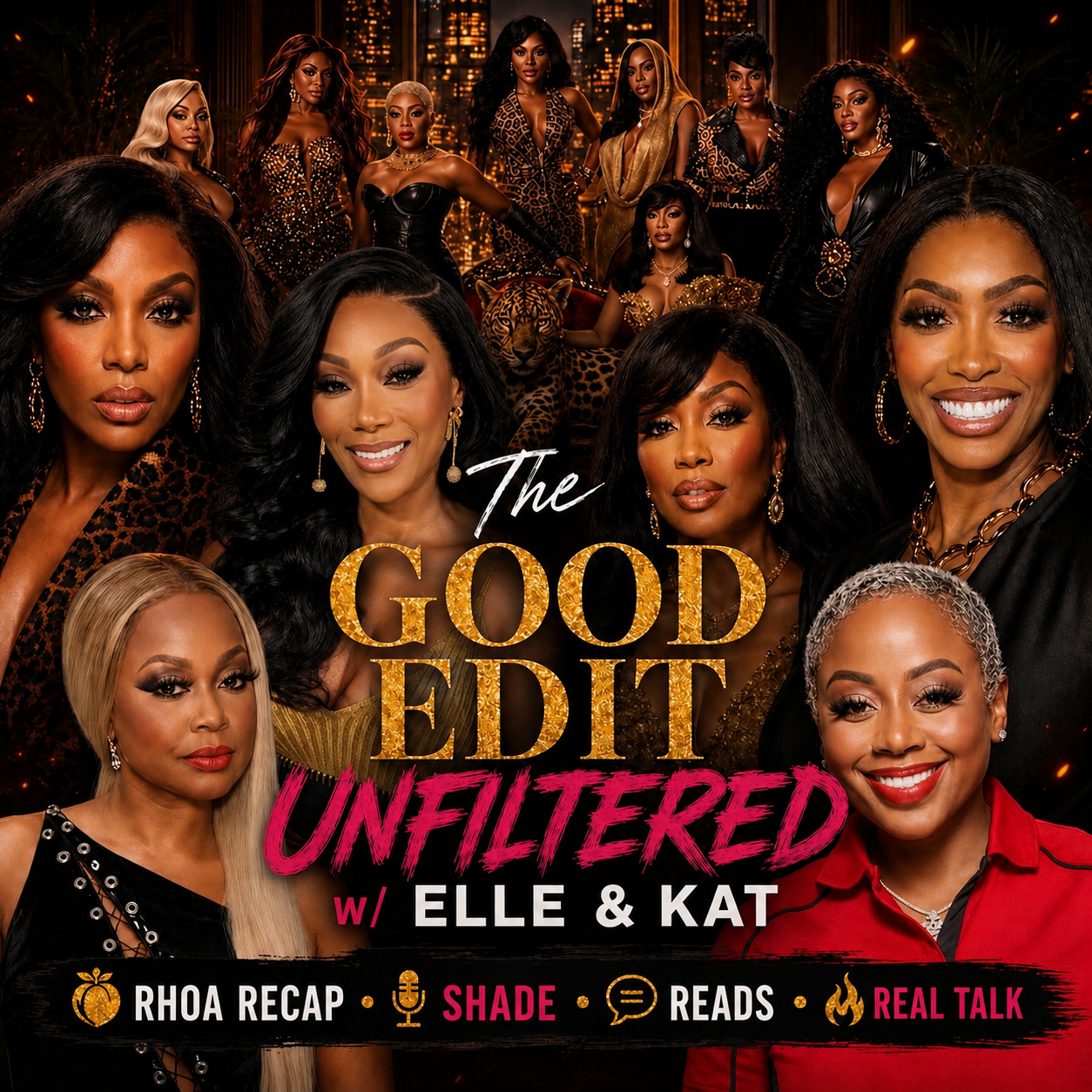
Cynthia Bailey's conditional neutrality | This post delves into the concept of conditional neutrality as embodied by Cynthia Bailey in RHOA Season 17, Episode 13, exploring whether her role as a peacemaker is truly impartial or dictated by shifting alliances and personal gain. We analyze her past actions and compare them to her current mediation attempts.
Key Takeaways
- Cynthia Bailey's "neutrality" as a mediator on RHOA is scrutinized, with evidence suggesting it's often conditional rather than impartial.
- Past instances of Cynthia aligning with Kenya over NeNe highlight a pattern of strategic alliance over genuine neutrality.
- The episode raises questions about whether a mediator can be truly effective if their allegiances are perceived as inconsistent.
- The narrative construct of a "peacemaker" role can be used by production to shape storylines and perceptions.
- Understanding Cynthia's approach provides insight into the complex dynamics of cast interactions and conflict resolution on reality TV.
The Illusion of Neutrality
In the intricate web of reality television, the role of a mediator is often pivotal. On The Real Housewives of Atlanta, Cynthia Bailey has frequently been cast in this light, her calm demeanor and seemingly measured responses suggesting a commitment to impartiality. However, as explored in the latest episode of The Good Edit Unfiltered, the concept of Cynthia's neutrality is far from black and white. This analysis dissects the nuances of her peacekeeping efforts, questioning whether her interventions are driven by a genuine desire for harmony or by a more strategic, conditional approach to maintaining her position within the group and the show's narrative.
Historical Context: Cynthia's Shifting Alliances
The hosts of The Good Edit Unfiltered, Elle and Kat, bring a keen eye to the past behavior of cast members, and Cynthia Bailey is no exception. The episode specifically references a significant moment in RHOA history where Cynthia's loyalties appeared to shift, notably drifting from NeNe Leakes towards Kenya Moore. This strategic maneuver, which led to a strain in her friendship with NeNe, serves as a critical reference point for understanding her current mediations. It raises the question: if Cynthia was willing to pivot her allegiances for reasons that appeared strategic, can her later attempts to be a neutral party be taken at face value? The analysis suggests that her past actions lay the groundwork for skepticism regarding her present-day impartiality.
This historical lens is crucial because it challenges the audience's perception of Cynthia as a consistently unbiased figure. Reality television thrives on these evolving dynamics, and a figure positioned as a peacemaker can become a more compelling character if their neutrality is tested or revealed to be selective. The way the show's edit frames these moments significantly impacts how viewers interpret the characters' motivations and the authenticity of their actions.
When Peacekeeping Becomes Political
The very nature of reality television dictates that personal relationships often become intertwined with strategic positioning. Cynthia's past decisions, like her alignment with Kenya, suggest that her actions within the group are not always solely about fostering peace but can also be about navigating the complex social and political landscape of the show. When a cast member who has previously demonstrated a willingness to align themselves strategically is then tasked with mediating conflicts, it naturally invites scrutiny. Viewers are left to wonder if the advice or intervention offered is truly objective or if it subtly serves to benefit Cynthia or her current allies.
The episode explores the idea that a mediator's effectiveness is often tied to their perceived trustworthiness and impartiality. If a mediator has a history of taking sides, even if framed as “understanding” or “empathizing,” their attempts to quell conflict can be viewed with suspicion. This can, in turn, hinder genuine resolution and perpetuate the very drama the mediator is ostensibly trying to resolve. The hosts argue that this pattern, when observed, complicates the narrative of a straightforward peacemaker, adding layers to the understanding of cast dynamics.
The Production Edit and the Mediator Role
Beyond the personal dynamics, the role of the production edit in shaping perceptions cannot be overstated. Producers often strategically cast individuals in roles that serve the overarching narrative arc of a season. A character like Cynthia, who can bridge different factions or appear to offer a voice of reason, is a valuable asset. However, the way her actions are filmed, edited, and presented to the audience can either reinforce her image as a genuine peacemaker or subtly highlight the conditional nature of her interventions.
The episode’s critique of how editing constructs villains and protects favorites is directly applicable here. Is Cynthia’s role as a mediator a genuine reflection of her character, or is it a narrative device employed by production to create specific dramatic effects? The hosts suggest that examining her past choices, particularly the well-documented shift in her friendships, provides crucial context that the on-screen narrative might intentionally downplay or reframe. This deeper analysis encourages viewers to look beyond the surface and consider the underlying motivations and strategic elements at play.
Analyzing Cynthia's Conditional Neutrality
The core of the argument presented by Elle and Kat revolves around the idea that Cynthia's neutrality is not absolute. It appears to be a fluid concept, adaptable to the circumstances and her relationships within the cast. When she was friends with NeNe, her actions and allegiances might have reflected that bond. When she aligned with Kenya, her interventions might have subtly favored that dynamic. This conditional peacekeeping means that while she might present herself as a neutral party, her actions may inherently carry the weight of her past and present alliances.
This raises a broader question for reality TV enthusiasts: can true neutrality exist in such a highly produced and interconnected environment? Or is every action, every word, a calculated move within a larger game? The analysis of Cynthia's mediation style, grounded in past events, suggests that on shows like RHOA, even the most seemingly stable figures may be operating with a strategic undercurrent. The hosts encourage listeners to pay close attention to these subtleties, recognizing that the true story often lies in what the edit tries to conceal or gloss over.
Broader Implications for RHOA Dynamics
The examination of Cynthia Bailey's role as a mediator extends beyond a single character study; it sheds light on the fundamental dynamics of The Real Housewives of Atlanta. The show, like many others in the franchise, thrives on conflict, shifting alliances, and interpersonal drama. A character who can seemingly bridge these divides, yet whose own history suggests a selective approach to peace, adds a fascinating layer of complexity to these interactions.
The hosts’ approach, which blends behavioral analysis with cultural insights, provides a framework for understanding why these dynamics persist. It touches on themes of accountability, trauma response, and the human tendency to form groups and allegiances. By deconstructing Cynthia's mediations through the lens of her past actions, listeners gain a richer appreciation for the intricate, often calculated, social maneuvering that defines reality television. This deeper understanding moves beyond a simple recap to offer genuine insight into the psychology and production strategies that make these shows so compelling.
Ultimately, the discussion encourages viewers to be more critical consumers of reality television. By questioning the presented narratives and looking for patterns in cast behavior, audiences can uncover the deeper truths and machinations that lie beneath the surface. The RHOA episode, and the podcast’s analysis, serves as a powerful reminder that in the world of Bravo, context truly meets reality, and not all peacemakers are created equal.
For a complete breakdown of all the drama and a deeper dive into the cast dynamics, listen to the full episode. The Good Edit Unfiltered offers unparalleled insights into the Real Housewives universe, where every edit tells a story.
Frequently Asked Questions
Is Cynthia Bailey still on RHOA?
While Cynthia Bailey has had a significant and long-standing presence on The Real Housewives of Atlanta, her current status as a full-time cast member has varied in recent seasons. This episode refers to her role and influence within the context of the show's ongoing narratives, regardless of her current official title.
What does it mean for a mediator to be conditional?
A conditional mediator is someone whose impartiality or effectiveness in resolving disputes is dependent on certain factors, such as their personal relationships, alliances within the group, or the specific context of the conflict. Unlike a truly neutral party, their interventions may be influenced by who they are siding with or against, or what outcome best serves their interests.
How does production influence Cynthia's role as a mediator?
Production plays a significant role in shaping how a cast member's actions, including mediation attempts, are perceived by the audience. They can choose to highlight moments that emphasize neutrality, or conversely, edit scenes to subtly reveal underlying biases or strategic motivations, thereby constructing a specific narrative for the character as a peacemaker or otherwise.
Why is Cynthia's past with NeNe and Kenya relevant to her mediation?
Cynthia's history of shifting allegiances, specifically her divergence from NeNe Leakes in favor of an alliance with Kenya Moore, is relevant because it establishes a precedent. It demonstrates that her approach to relationships and conflict within the cast has, at times, been strategic rather than consistently neutral, casting doubt on the impartiality of her subsequent mediation efforts.
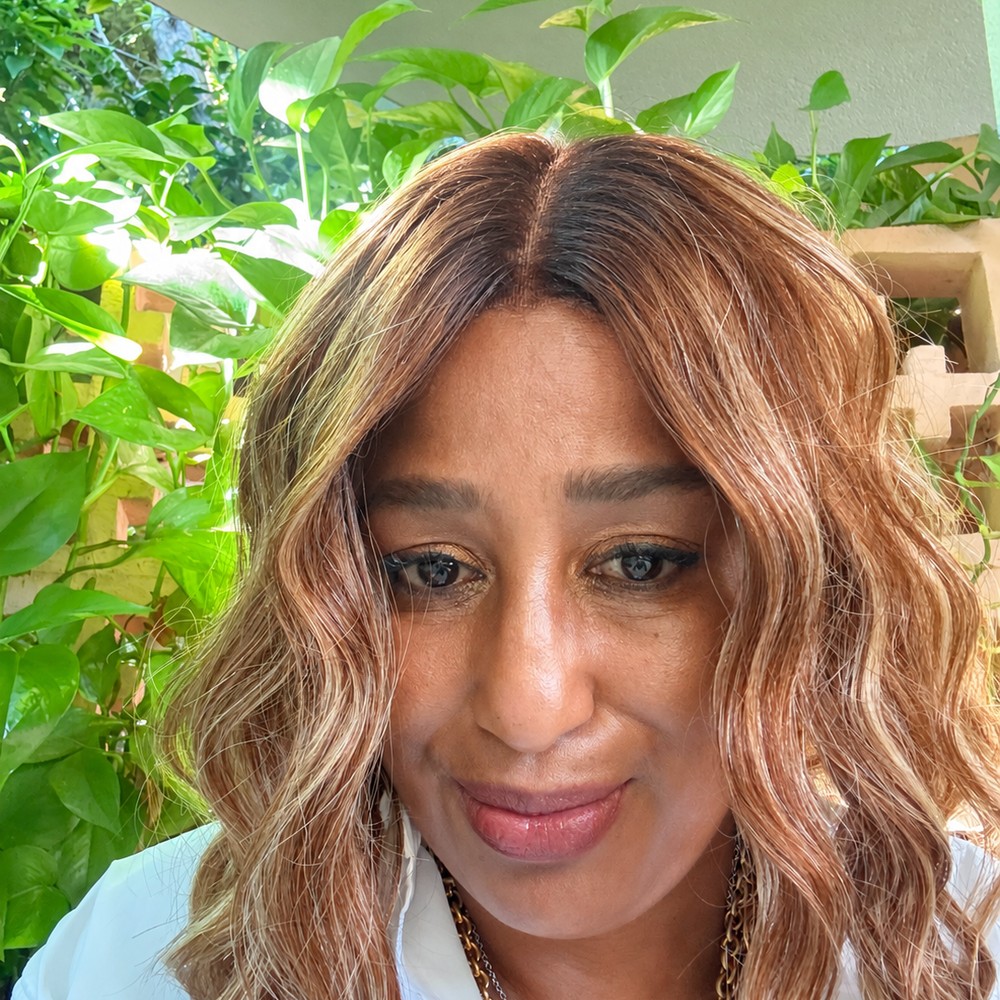
Creator | Host | Co-Executive Producer
Kat Vasseghi is a Bravo Commentator and the co-creator and co-host of The Good Edit w/ Elle & Kat, a culture-forward podcast where reality TV meets psychology, sociology, and sharp analysis. Previously known for her brand BravoRecs, Kat brings years of fluency in the Bravo universe its personalities, storylines, and fandoms paired with quick wit and a fan's instinct for the moments that matter. As a Bravo Commentator, she turns each recap into something sharper and more revealing than the average reaction show.
Known for her humor and culturally fluent takes, Kat reads the Bravo universe through the lens of the fans who live in it, catching the shifts and subtext other recaps miss. Alongside co-host Elle Schwartz, she co-created The Good Edit w/ Elle & Kat, blending cultural fluency, sharp humor, and elevated Bravo commentary into one of the most refreshing new voices in the reality TV podcast space.