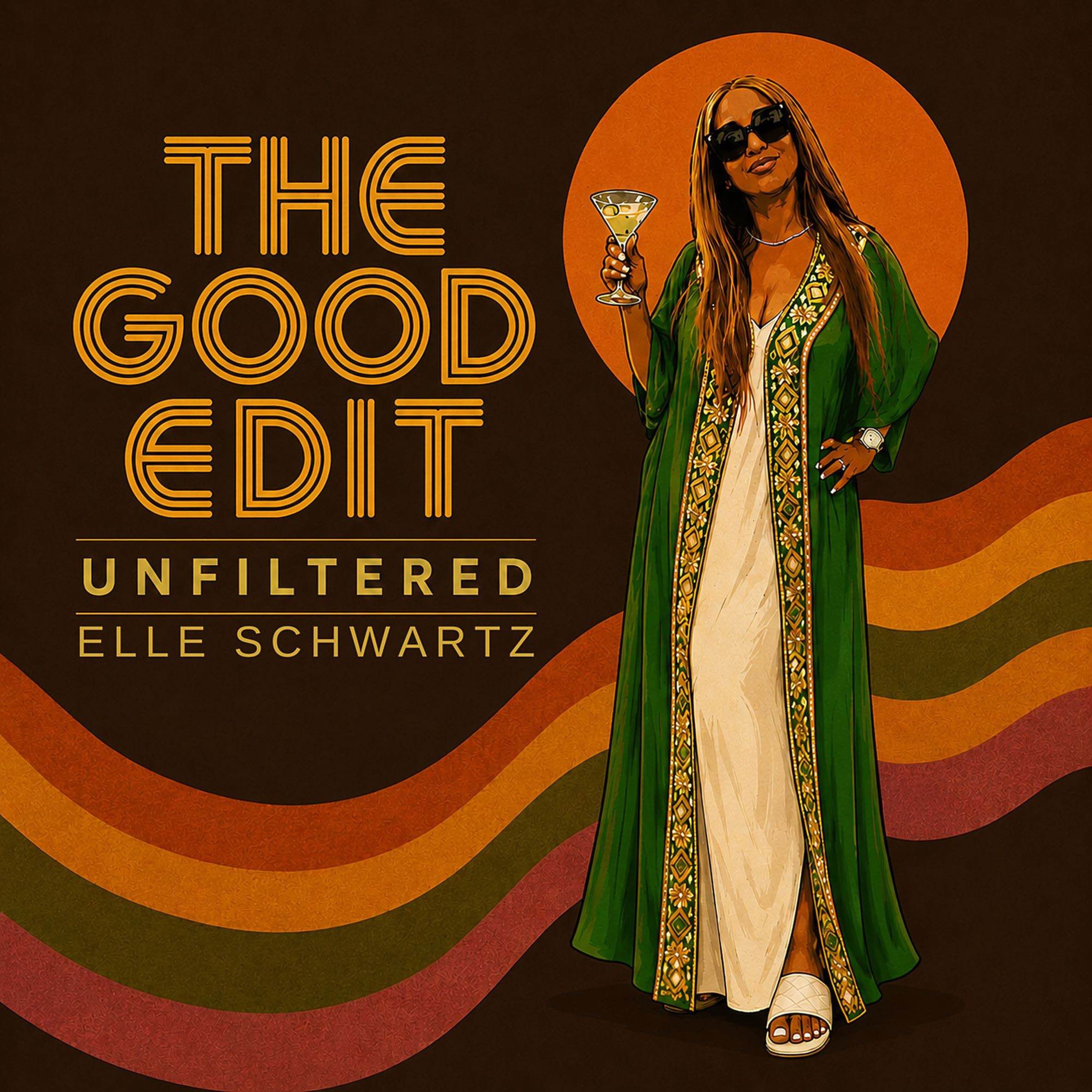
Beyond the Bad Edit: Unpacking Danny's 'The Valley' Portrayal and Production Bias
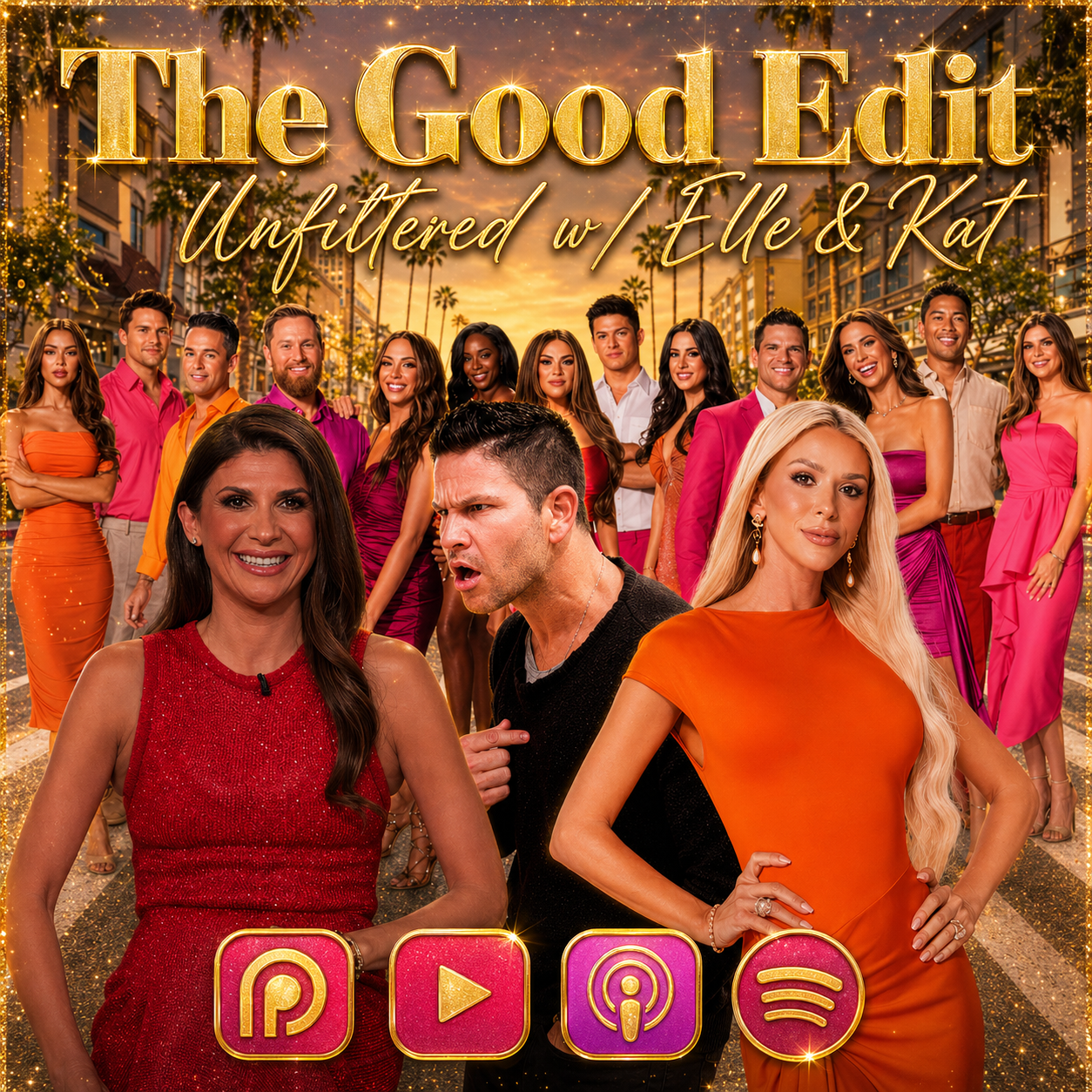
Dannys Bad Edit Explained | Delve into the nuanced reality of 'The Valley' cast portrayals, focusing on how editing might skew our perception of Danny. This post unpacks the psychological impact of selective storytelling and explores how behind-the-scenes dynamics can shape viewer judgment, urging a more critical lens on reality TV narratives.
Key Takeaways
- Reality TV editing is a powerful tool that can significantly influence how viewers perceive cast members, potentially creating a 'villain' narrative where one might not fully exist.
- Understanding the difference between on-screen drama and actual behind-the-scenes reality is crucial for a fair assessment of cast members.
- Personal histories and potential emotional trauma can add layers of complexity to a cast member's behavior, prompting viewers to question their initial judgments.
- Production strategies and alliances can play a role in how storylines are framed, impacting the perceived authenticity of a cast member's actions.
- Developing a critical viewing habit helps viewers discern manufactured narratives from genuine human behavior.
The Art of the Skewed Narrative: Danny's Case Study
In the often-unpredictable world of reality television, the line between authentic behavior and a carefully crafted narrative can become incredibly blurred. 'The Valley,' Bravo's latest foray into the sprawling Real Housewives universe, is no exception. While many viewers are quick to label certain cast members based on their on-screen actions, the hosts of 'The Good Edit Unfiltered' podcast encourage a deeper dive, particularly when it comes to a figure like Danny. The question isn't just *what* Danny did, but *how* what we see is presented to us, and what might be deliberately left out.
This isn't about excusing behavior, but rather about understanding the mechanics of television production. Editing is not simply about trimming footage; it's about shaping perception. A single argument can be spliced with dramatic music, juxtaposed with a seemingly unrelated confession, or entirely recontextualized to fit a desired storyline. The result? A character might appear more erratic, more malicious, or more 'problematic' than they are in their day-to-day life. For Danny, the podcast suggests that the edit might be presenting only a fraction of his story, leaving viewers to grapple with a manufactured persona rather than the full individual.
Editing as a Character Modifier: Beyond the First Impression
The core of the discussion revolves around the immense power of the editing room. It's where raw footage is transformed into compelling television, and often, this transformation involves highlighting conflict, amplifying drama, and sometimes, constructing villains. For cast members who may already be navigating personal challenges, this process can be particularly damaging.
Consider the concept of a 'bad edit.' This isn't just about unfortunate camera angles or awkward pauses. It's about the strategic selection and arrangement of scenes to portray a character in a specific, often negative, light. This can manifest in several ways:
- Selective Omission: Crucial context or moments of kindness might be left on the cutting room floor if they don't serve the dramatic arc.
- Juxtaposition: Placing two unrelated scenes side-by-side can create an impression of cause and effect that never actually occurred in that sequence.
- Sound Design: Music and sound effects can dramatically alter the emotional impact of a scene, turning a minor disagreement into a major confrontation.
- Confessional Commentary: While seemingly candid, confessionals can also be edited to twist the meaning of what a cast member intended to convey, or presented out of chronological order.
When these techniques are applied consistently, a character can be painted into a corner, with viewers forming strong opinions based on a curated reality. The podcast episode, 'Janet Excluded From Nia's Mealtrain | The Valley Recap Deep Dive,' specifically tackles this by asking whether Danny's perceived toxicity is a genuine reflection or a product of such narrative sculpting. It’s an invitation to look past the immediate reaction and consider the forces that shape that reaction.
The Influence of Personal History and Trauma
One of the most critical aspects of analyzing reality TV characters, as highlighted by 'The Good Edit Unfiltered,' is the potential role of personal history and trauma. The episode touches upon Danny's alleged past experiences with abuse, and it raises a crucial question: How does our knowledge of, or even suspicion about, someone's past trauma influence our judgment of their present behavior?
Human behavior is complex and rarely exists in a vacuum. When a cast member has a documented or rumored history of trauma, their reactions on-screen might be rooted in deeper, more complex psychological responses than a casual viewer can immediately discern. A seemingly disproportionate reaction, a defensiveness, or a struggle with interpersonal dynamics could all be echoes of past experiences. The podcast encourages empathy, not as an excuse for harmful actions, but as a tool for deeper understanding. It prompts us to ask if the 'bad edit' is indeed hiding a story of someone struggling, rather than someone simply being malicious.
This perspective shift is vital. It moves us away from the simplistic 'good guy/bad guy' dichotomy that reality TV often relies on and encourages a more nuanced appreciation of the human beings behind the personas. The hosts, Elle Schwartz and Kat Vasseghi, leverage their expertise in behavioral analysis and commentary to dissect these layers, reminding us that context truly meets reality.
Navigating Behind-the-Scenes Manipulation and Alliances
Reality television is not a spontaneous documentary; it's a production. This means that behind the scenes, decisions are being made that directly impact what ends up on screen. These decisions can involve strategic alliances, production 'nudges,' or deliberate framing of situations to maximize drama.
The podcast delves into how these behind-the-scenes elements can influence a cast member's portrayal. For example, if certain cast members or production staff have a particular agenda or alliance, they might subtly (or not so subtly) steer narratives in a direction that favors their interests. This could mean consistently showing one person in a negative light while softening the edges of another, even if their actions on the show are comparable. Understanding this layer of manipulation is key to becoming a more informed viewer. It requires us to constantly question the source and intent behind the stories we are being told.
The narrative isn't just built from the footage; it's built from the relationships, the pressures, and the strategic choices made both by the cast and the production team. 'The Good Edit Unfiltered' aims to equip listeners with the tools to see these machinations at play, enabling them to form more objective opinions rather than simply accepting the on-screen story at face value.
Becoming a Critical Reality TV Viewer
Ultimately, the deep dive into Danny's portrayal on 'The Valley' serves as a broader lesson for all reality TV aficionados. It's a call to move beyond passive consumption and to engage critically with the content we consume.
The hosts emphasize that recognizing the signs of editing bias, considering the psychological complexities of the cast members, and acknowledging the influence of production strategies are all essential components of being an informed viewer. This critical lens not only enhances our enjoyment of the shows but also fosters a healthier relationship with media consumption, protecting us from being unduly swayed by manufactured narratives. It empowers us to see the human beings behind the drama and to appreciate the intricate, often manipulative, art of reality television storytelling.
The conversation about Danny and his 'edit' is just one example. By applying these analytical principles, viewers can gain a richer understanding of any reality show, from the familiar dynamics of 'The Real Housewives' franchises to the unfolding drama of 'Vanderpump Rules' or 'Summer House.' The goal is to appreciate the entertainment value while maintaining an awareness of the constructed reality presented.
Conclusion: Re-evaluating the Narrative
The discussion surrounding Danny's portrayal on 'The Valley' offers a powerful reminder that what we see on television is rarely the full picture. 'The Good Edit Unfiltered' podcast encourages us to question the edits, consider the underlying psychology, and understand the production forces at play. By adopting a more critical viewing approach, we can move beyond simple judgments and appreciate the complex layers of reality TV storytelling.
To hear the full, nuanced discussion and gain even more insights into how reality TV narratives are constructed, listen to the full episode. Join Elle and Kat as they continue to unpack the unfiltered truths behind your favorite Bravo shows.
Frequently Asked Questions
Is Danny's 'villain edit' intentional on 'The Valley'?
The podcast episode explores the possibility that Danny's on-screen persona might be heavily influenced by editing choices designed to create a specific narrative, potentially a 'villain' role, rather than purely reflecting his authentic self. It suggests the edit intentionally amplifies certain behaviors and omits others to fit a dramatic arc.
How can past trauma affect a reality TV cast member's portrayal?
The episode suggests that if a cast member like Danny has experienced trauma, their on-screen reactions might be more complex, stemming from deep-seated psychological responses. This complexity can be amplified or distorted by editing, making it harder for viewers to distinguish between a genuine struggle and manufactured drama.
What role do behind-the-scenes alliances play in 'The Valley' editing?
The podcast posits that behind-the-scenes relationships and potential production agendas can influence how footage is selected and presented. Alliances might lead to certain cast members being favored or demonized in the edit, shaping the narrative to align with those dynamics.
What are practical tips for spotting editing bias on reality TV?
To spot editing bias, viewers can pay attention to the context of scenes, look for inconsistencies in character behavior, note the use of dramatic music or sound effects to manipulate emotion, and consider what might have been left out. The 'Good Edit Unfiltered' podcast often highlights these elements to encourage critical analysis.
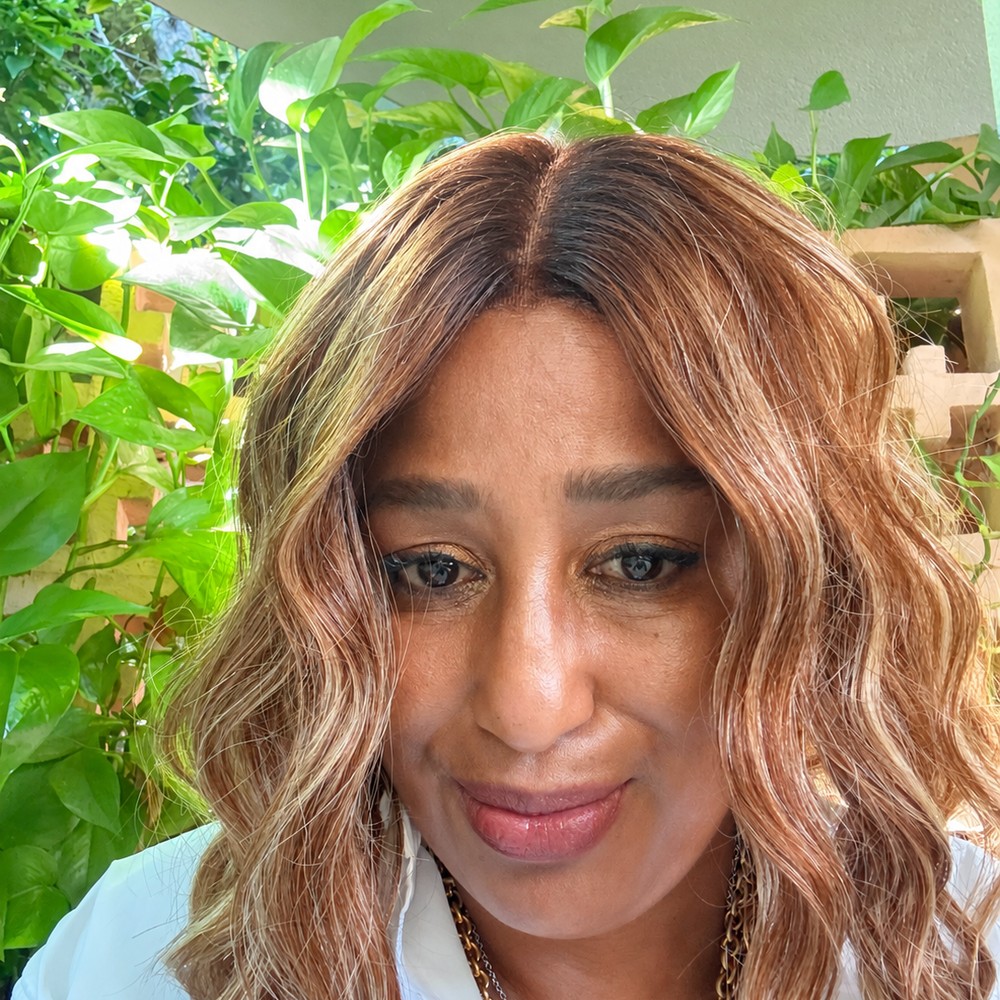
Creator | Host | Co-Executive Producer
Elle Schwartz is a behavioral analyst, writer, and the creator, host, and executive producer of The Good Edit Unfiltered, an award winning podcast that brings context to reality television. Born in Compton, California, she holds five degrees from private institutions, including the University of Southern California, and draws on her background in behavioral science to examine how production edits shape the stories audiences see on screen.
Launched in February 2026, The Good Edit Unfiltered covers The Real Housewives franchises, Vanderpump Rules, Summer House, The Valley, and Married at First Sight.
The show is produced under Layered Media Inc. and Rude Mood Media, with Schwartz serving as executive producer alongside Ric Swartzlander. Its signature series, the Reality TV Cultural Reckoning, and its Grammar of Conflict framework explore how race, culture, and casting influence the way reality stars are portrayed.
In its first year, the podcast won three 2026 Black Podcasting Awards (Best Producer, Best Daily Podcast, and Original Music) and multiple 2026 Davey Awards, including Gold for the Reality TV Cultural Reckoning series. It ranks number 1 all time in Indie Real Housewives on Goodpods.
Schwartz is a member of the Television Critics Association and a founding member and judge of the Open Podcast Awards. She is also a credited co writer on Kyla & the White Guy, a scripted comedy series optioned by Roku. She lives in Encino, California.
Short bio (for spots with tight character limits)
Elle Schwartz is a behavioral analyst, writer… Read More