Podcast Feud Analysis: Deconstructing the Uchitel, Frazier, and Yontef Live Stream Drama
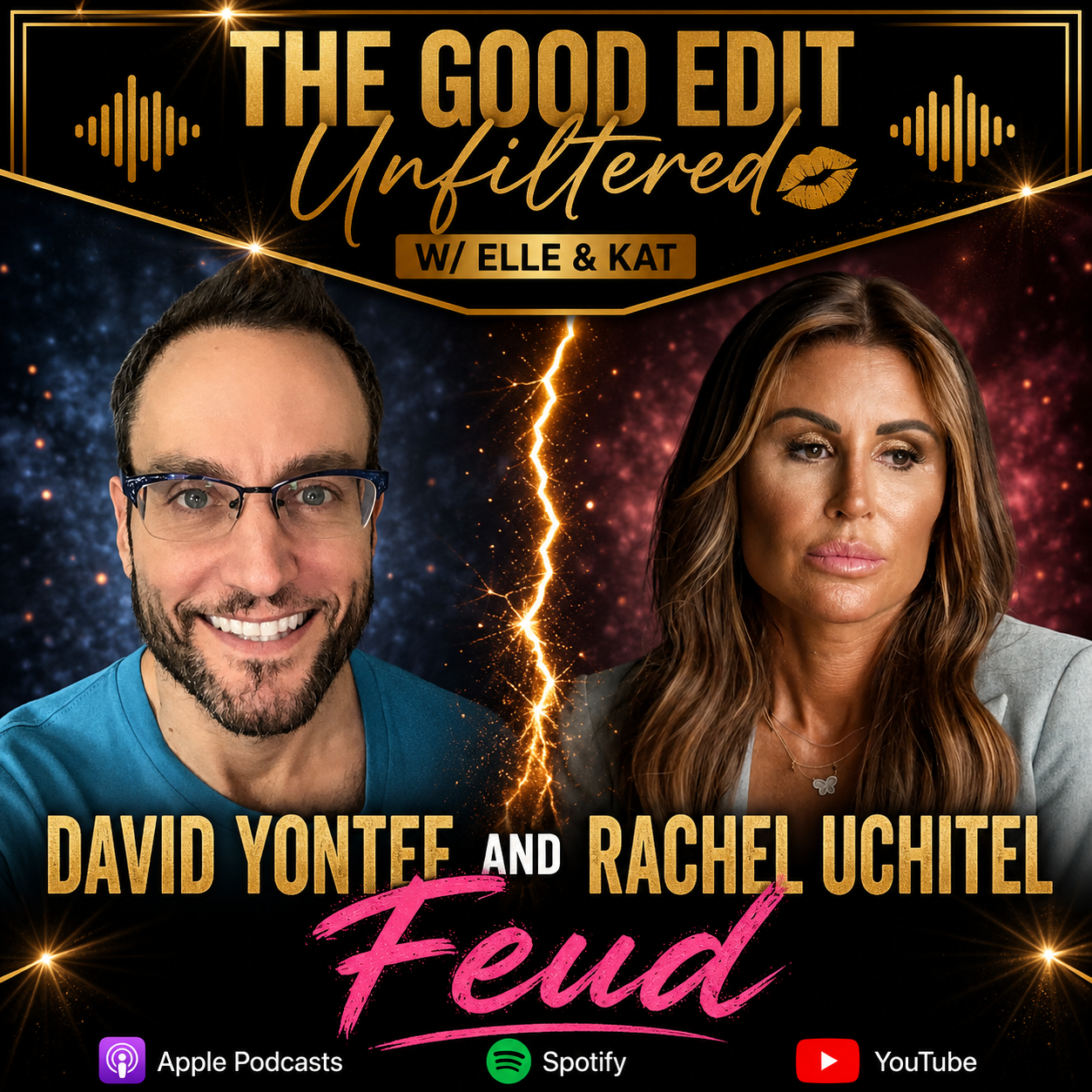
David Yontef Rachel Uchitel Feud | Discover the underlying dynamics of online Bravo personalities clashing during a live stream. This post breaks down the specific personality dynamics and communication styles that led to tension between Rachel Uchitel, Sarah Frazier, and David Yontef, offering insights beyond a simple recap.
Key Takeaways
- The Uchitel, Frazier, and Yontef live stream highlight how online Bravo commentary can quickly devolve into personal clashes when strong opinions collide.
- Understanding differing communication styles is crucial to analyzing the tension that emerged during the broadcast.
- The incident underscores the growing trend of significant reality TV drama unfolding on live streams and podcasts, not just on-screen.
- Interactions between prominent Bravo figures online can expose underlying dynamics of influence and fandom engagement.
- The analysis of such events offers a lens into the evolving landscape of reality TV discourse and its personalities.
The Uchitel, Frazier, and Yontef Live Stream: A Clash of Big Personalities
The world of Bravo entertainment is no stranger to drama, but increasingly, the most compelling narratives are unfolding not on screen, but on live streams and podcasts. A prime example of this shift was the recent live broadcast featuring Rachel Uchitel, Sarah Frazier, and David Yontef. What began as a platform for Bravo commentary and insider perspectives quickly transformed into a fascinating case study in personality clashes and interpersonal dynamics. This isn't just about who said what; it's about dissecting the 'how' and 'why' behind the friction that captivated and divided the Bravo fandom online. The Good Edit Unfiltered podcast hosts, Elle and Kat, expertly unpack the nuances of this event, moving beyond surface-level gossip to explore the deeper currents at play. Their analysis focuses on how the interplay of strong personalities can derail even the most pre-planned discussions, leading to unpredictable and highly engaging content.
Understanding the Roots of Podcast Feud Dynamics
At its core, the drama observed during the Uchitel, Frazier, and Yontef live stream stems from the inherent challenges of managing multiple strong voices in a live, unscripted environment. Elle and Kat, with their backgrounds in behavioral analysis and sharp commentary, delve into how differing communication styles can be misinterpreted, leading to perceived slights and escalating tensions. David Yontef, known for his direct approach on 'Behind the Velvet Rope,' Rachel Uchitel, a figure with her own well-documented history, and Sarah Frazier, likely bringing her own unique perspective to the Bravo sphere, represent distinct personalities. When these individuals convene, the potential for friction is high. The hosts explore how subtle shifts in tone, choice of words, and even the silences between speakers can reveal underlying dynamics. It’s an examination of how professional discourse can quickly become a personal battleground, driven by ego, differing interpretations, and the pressure of a live audience. This type of analysis moves beyond simple 'he said, she said' to a more in-depth look at conversational psychology within the public sphere.
The Role of Expectations vs. Reality
Audiences tuning into such live streams often have pre-conceived notions about how the conversation will unfold. They expect Bravo hot takes, insider scoops, and perhaps even camaraderie. However, the reality can be far more complex. When participants don't align on their views, or when one person feels their points are being dismissed or attacked, the collaborative atmosphere can fracture. The Good Edit Unfiltered team highlights how the participants' individual platforms and established personas can influence their interactions. Each person likely enters the stream with their own agenda and audience expectations, which can create a pressure cooker environment. The analysis provided by Elle and Kat helps listeners understand that what appears as simple disagreement might be a deeper conflict arising from unmet expectations, a battle for narrative control, or even a genuine clash of worldviews as filtered through the lens of Bravo culture.
Communication Styles and Their Impact
The effectiveness of any collaborative discussion, especially a live one, hinges on clear and respectful communication. In the case of Uchitel, Frazier, and Yontef, the hosts of The Good Edit Unfiltered suggest that diverging communication styles played a significant role in the unfolding drama. Was it a matter of one participant being too aggressive, another too defensive, or perhaps a simple breakdown in active listening? Elle Schwartz, a behavioral analyst, brings a critical eye to these exchanges, helping the audience decipher the non-verbal cues and subtle linguistic patterns that might indicate underlying friction. Kat Vasseghi, with her deep understanding of Bravo personalities and fandom, contextualizes these interactions within the broader landscape of online reality TV discourse. Together, they illustrate how misaligned communication can transform a potentially insightful discussion into a contentious exchange, leaving viewers dissecting every word and pause for clues.
The Evolving Landscape of Reality TV Drama Online
The incident involving Uchitel, Frazier, and Yontef is a microcosm of a larger trend: the migration of significant reality TV drama from television screens to online platforms. As Elle and Kat eloquently discuss, podcasts, live streams, and social media interviews are becoming primary arenas for conflict, commentary, and the shaping of narratives within the Bravo universe. This shift means that drama is more immediate, unfiltered, and often more raw than what can be achieved through carefully edited television episodes. The hosts of The Good Edit Unfiltered emphasize that this is where the 'real' conversations are happening, where personalities are truly tested, and where fans can engage directly with the figures shaping the discourse. Understanding these online interactions is crucial for anyone who wants to grasp the full picture of Bravo culture today. It’s not just about watching the shows anymore; it's about participating in the ongoing conversation that surrounds them, a conversation increasingly dominated by these digital platforms.
Podcasts and Live Streams as New Arenas for Bravo Drama
Gone are the days when reunion specials were the ultimate source of off-screen drama. Now, a single live stream featuring prominent Bravo-affiliated individuals can generate more buzz than an entire season of a show. The Uchitel, Frazier, and Yontef event is a testament to this. The appeal lies in the authenticity and immediacy. Viewers feel closer to the action, witnessing unfiltered reactions and spontaneous exchanges. For podcast hosts like Elle and Kat, these events provide rich material for analysis, allowing them to dissect not only the content but also the psychological and social dynamics at play. They are able to offer a more sophisticated commentary, moving beyond simple reporting to providing a deeper understanding of the forces driving conflict and engagement within the Bravo fandom. This makes listening to podcasts like 'The Good Edit Unfiltered' an essential component of staying informed and engaged with the world of reality television.
Influencer Culture and Bravo Fandom Intertwined
The rise of reality TV podcasts and live streams has also solidified the power of online influencers within the Bravo fandom. Figures like David Yontef have built substantial platforms dedicated to dissecting Bravo content. When these influencers converge, as they did in the Uchitel, Frazier, and Yontef stream, their interactions carry significant weight. The Good Edit Unfiltered hosts explore how these personalities not only comment on the shows but also influence fan perception and even the narratives surrounding the housewives themselves. The live stream drama becomes a meta-narrative, a story about the storytellers. It highlights the symbiotic relationship between content creators, their audiences, and the shows they discuss. Analyzing these interactions provides a unique insight into how modern celebrity and fandom operate, demonstrating that the drama of reality TV is now a multi-layered phenomenon extending far beyond the screen.
Conclusion: Diving Deeper into Bravo Online Drama
The live stream involving Rachel Uchitel, Sarah Frazier, and David Yontef served as a powerful illustration of the complex dynamics that emerge when strong personalities converge in the online Bravo space. It wasn't just about gossip; it was a deep dive into communication, expectations, and the evolving nature of reality TV drama. By dissecting these interactions, we gain a richer understanding of the forces shaping the Bravo universe. For a comprehensive breakdown of this event and more nuanced takes on the world of reality television, it's essential to listen to the experts who can unpack it all. Listen to the full episode of The Good Edit Unfiltered for their complete analysis and unfiltered reactions. You won't want to miss their insights into the human elements behind the on-screen and online drama.
Frequently Asked Questions
What is the primary focus of the blog post regarding the Uchitel, Frazier, and Yontef live stream?
This blog post focuses on deconstructing the personality clashes and communication dynamics that led to friction during the live stream, rather than just reporting on the gossip or Bravo commentary presented.
How do different communication styles contribute to online Bravo drama?
Divergent communication styles can lead to misunderstandings, perceived disrespect, and escalating tensions in live online discussions. What one person intends as direct commentary, another might interpret as aggressive, fueling conflict.
Why are podcasts and live streams becoming more important for Bravo drama?
These platforms offer immediacy and unfiltered interactions that can generate more compelling and raw drama than edited television shows, making them key arenas for fan engagement and discourse.
What role do influencers play in the analysis of Bravo events?
Influencers like David Yontef build dedicated platforms for discussing Bravo content, and their interactions with other personalities, as seen in the Uchitel, Frazier, and Yontef stream, significantly shape fan perception and narrative creation.
Creator | Host | Co-Executive Producer
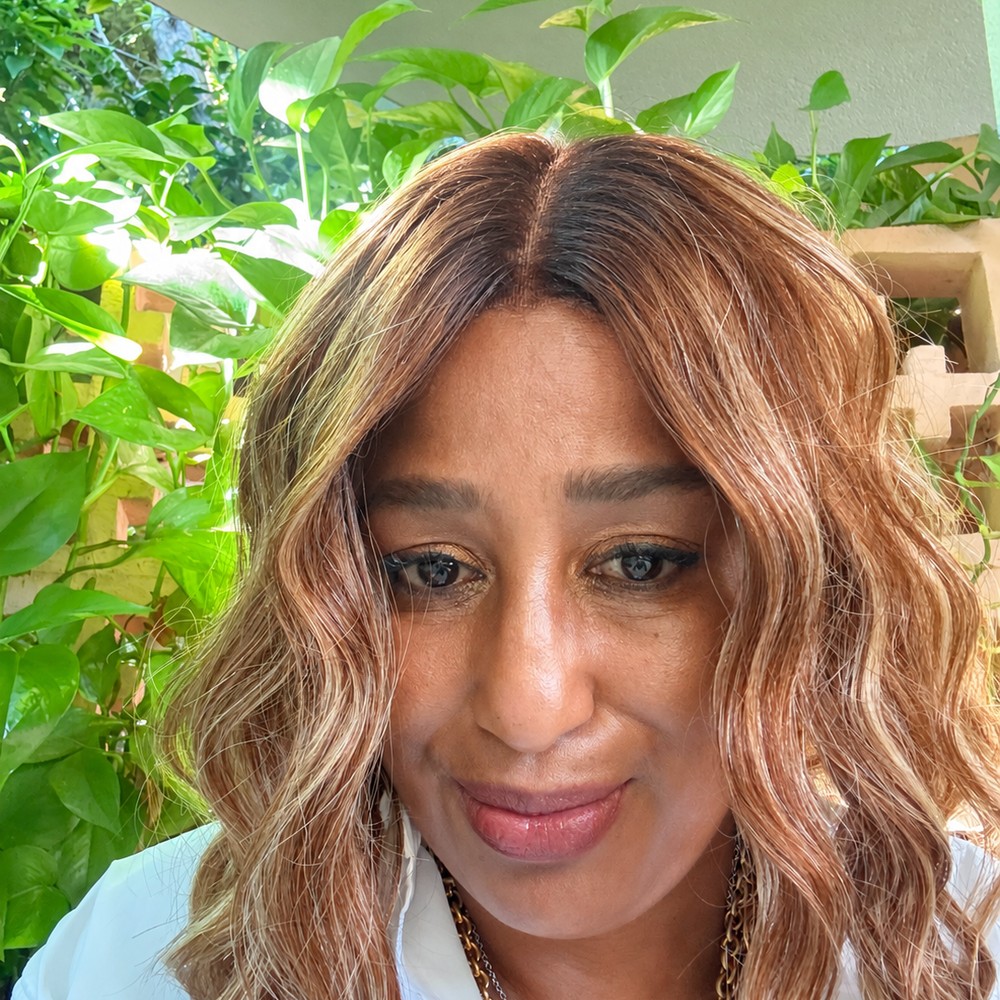
Elle Schwartz is a behavioral analyst, writer, and the creator, host, and executive producer of The Good Edit Unfiltered, an award winning podcast that brings context to reality television. Born in Compton, California, she holds five degrees from private institutions, including the University of Southern California, and draws on her background in behavioral science to examine how production edits shape the stories audiences see on screen.
Launched in February 2026, The Good Edit Unfiltered covers The Real Housewives franchises, Vanderpump Rules, Summer House, The Valley, and Married at First Sight.
The show is produced under Layered Media Inc. and Rude Mood Media, with Schwartz serving as executive producer alongside Ric Swartzlander. Its signature series, the Reality TV Cultural Reckoning, and its Grammar of Conflict framework explore how race, culture, and casting influence the way reality stars are portrayed.
In its first year, the podcast won three 2026 Black Podcasting Awards (Best Producer, Best Daily Podcast, and Original Music) and multiple 2026 Davey Awards, including Gold for the Reality TV Cultural Reckoning series. It ranks number 1 all time in Indie Real Housewives on Goodpods.
Schwartz is a member of the Television Critics Association and a founding member and judge of the Open Podcast Awards. She is also a credited co writer on Kyla & the White Guy, a scripted comedy series optioned by Roku. She lives in Encino, California.
Short bio (for spots with tight character limits)
Elle Schwartz is a behavioral analyst, writer… Read More