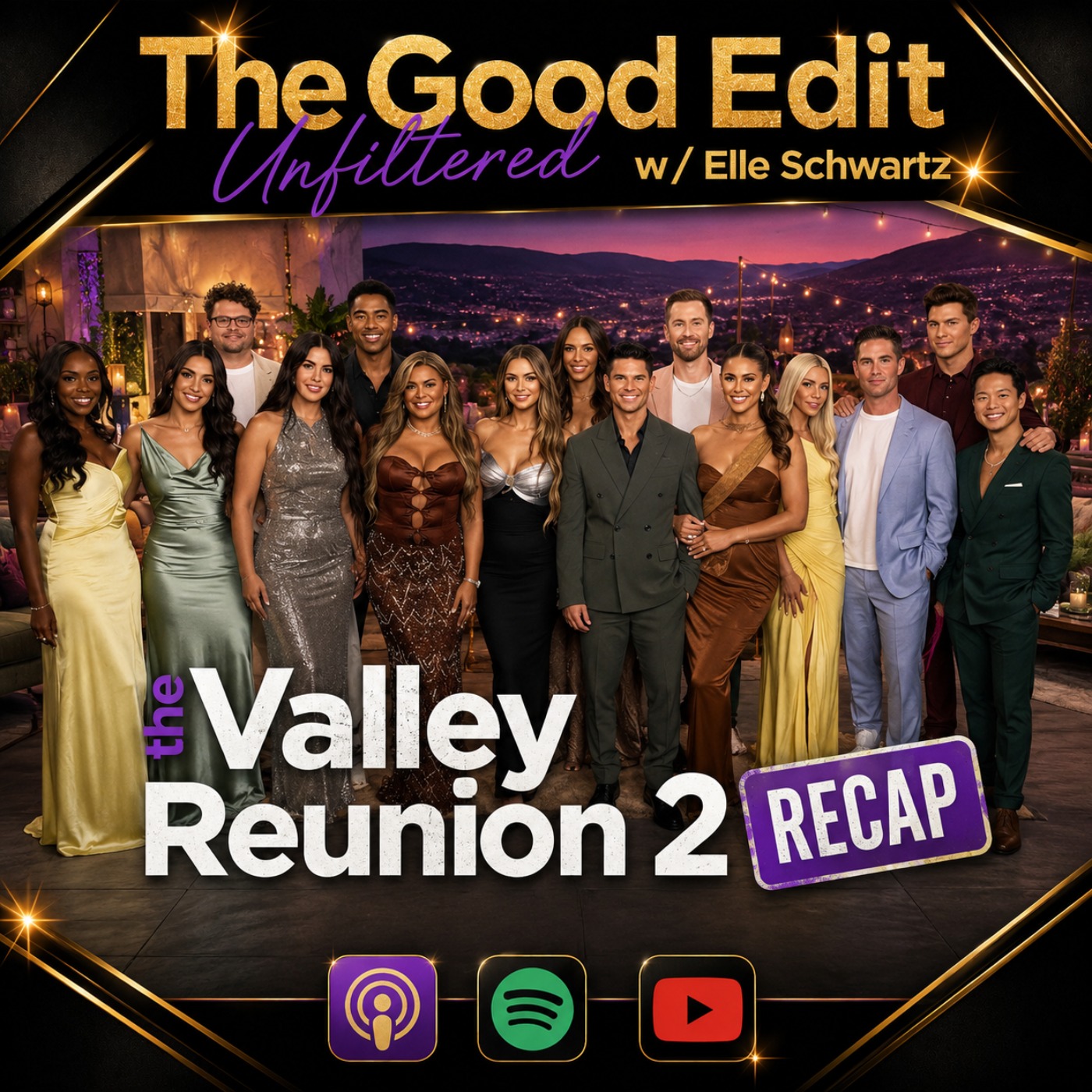
Decoding Danny and Nia's Reunion Dynamic: A Behavioral Analysis of The Valley
When reality TV couples face the reunion hot seat, the behavioral subtext often reveals far more than their rehearsed talking points. In this deep dive, we examine the underlying psychological cues, communication breakdowns, and defensive postures displayed by Danny and Nia during The Valley reunion, offering a clinical perspective on how pressure changes marital dynamics on screen.
Key Takeaways
- Reunion settings act as high-stress environments that exacerbate pre-existing marital communication breakdowns and defensive habits.
- Non-verbal cues like micro-expressions and postural shielding reveal emotional disconnects that polished verbal answers try to hide.
- Public accountability on reality television forces couples to either present a unified front or expose structural vulnerabilities in real time.
- Behavioral analysis helps separate manufactured dramatic editing from genuine relational stress responses.
The Psychology of Reunion Stress
Reunions are specifically engineered to test the structural integrity of reality TV relationships. When couples like Danny and Nia sit on that stage, they aren't just answering questions from the host; they are navigating a multi-layered gauntlet of peer pressure, past grievances, and public expectations. From a behavioral standpoint, the reunion environment triggers an acute stress response. Heart rates rise, the prefrontal cortex struggles to manage emotional impulses, and individuals default to deeply ingrained defense mechanisms.
For Danny and Nia, the intense scrutiny of the season exposed how they process conflict when cornered. While viewers often focus solely on the verbal sparring matches, the real story lies in the micro-behaviors. Are they leaning into each other for support, or are they creating physical distance? In high-stakes television, body language rarely lies, even when the words spoken are carefully chosen to protect the relationship's brand.
Defensive Postures and Marital Shields
When couples face relentless questioning about their private lives, protective behaviors emerge instantly. Crossing arms, leaning away from a partner, or taking over the conversation to prevent the other from speaking are classic signs of defensive shielding. During The Valley reunion, observing these subtle shifts provided a clearer picture of their dynamic than any soundbite could offer. Elle Schwartz's behavioral lens reminds us that reality TV editing might shape the narrative, but the involuntary physical reactions belong entirely to the cast members.
How Editing Shapes Public Perception
It is impossible to discuss reality television without acknowledging the heavy hand of the edit. Producers cut footage to heighten tension, condense timelines, and amplify emotional spikes. However, understanding behavioral psychology allows savvy viewers to look past the manufactured drama and spot genuine relational friction. When Danny and Nia reacted to specific accusations on stage, the pacing of the cuts often disguised the actual duration of their pauses and hesitation.
A skilled editor can make a thoughtful pause look like hesitation or guilt, or turn a sigh of exhaustion into an admission of defeat. By analyzing the behavioral baseline of each cast member throughout the season, we can better discern where the real human struggle ends and where production manipulation begins. This analytical approach transforms passive viewing into an active study of human behavior under duress.
Conclusion
The intense dynamics displayed during reunion specials give us a rare glimpse into how public pressure impacts private partnerships. While the surface drama entertains us, the underlying behavioral cues provide a fascinating study in modern relationship dynamics under a microscope. To hear a full, unfiltered breakdown of these moments and much more from the episode, make sure to Listen to the full episode. Join the community of Edittors and never miss a beat of reality TV behavioral analysis!
Frequently Asked Questions
How does a behavioral analyst view reality TV reunions?
A behavioral analyst looks beyond the verbal arguments to study non-verbal cues, micro-expressions, postural shifts, and stress responses, offering a deeper understanding of how cast members genuinely handle pressure.
Why are reunion episodes so stressful for reality TV couples?
Reunions combine peer pressure, public accountability, exhaustion, and the dredging up of past conflicts in a high-intensity studio environment, triggering acute stress and defensive behaviors.
Can reality TV editing alter the perception of a couple's body language?
Yes. Strategic cutting can alter the context of a pause, a sigh, or a physical reaction, making normal processing time appear defensive or combative.
Where can I listen to the complete breakdown of The Valley reunion?
You can catch the full unfiltered discussion and deep-dive analysis by checking out the main podcast page.