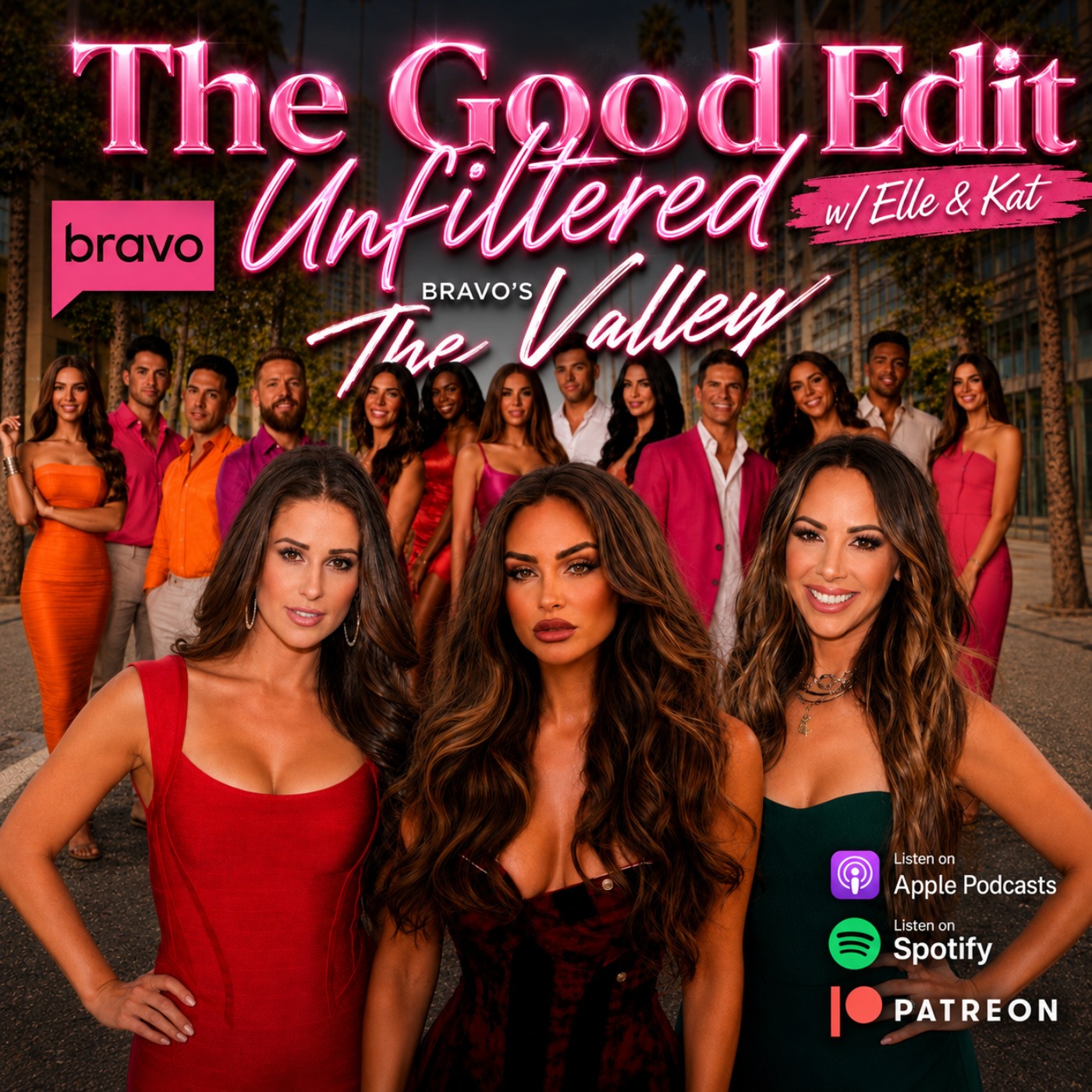
The Editing Behind The Valley: How Subtle Cues Expose Deception on Reality TV
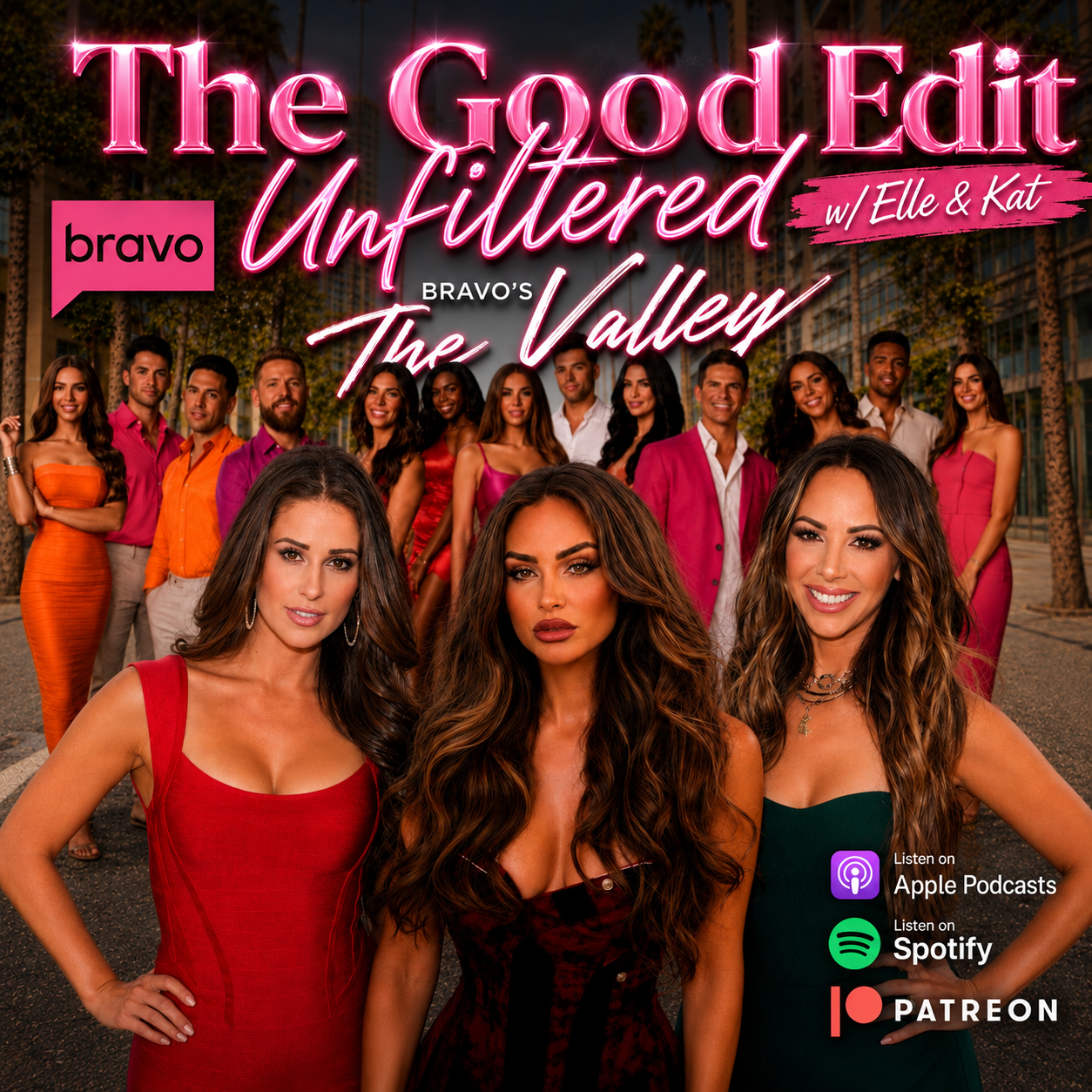
Editing Behind Dannys Drinking | Discover how reality TV editors use subtle 'accountability gaps' and audio cues to reveal cast members' hidden behaviors, like Danny's secret drinking on The Valley. This post unpacks the strategic editing techniques that go beyond direct confrontation to tell compelling, revealing stories.
Key Takeaways
- Reality TV editors strategically employ 'accountability gaps' to expose cast members' true actions without direct confrontation.
- Subtle visual and auditory cues, like finding an empty White Claw can or a distinct burp, can be more revealing than staged arguments.
- The editing process shapes narratives by highlighting specific moments that contradict a cast member's spoken words or claimed behavior.
- Understanding these editing techniques offers deeper insight into the psychology and authenticity of reality television.
- Brandon's gesture of buying flowers instead of essential pain medication for Brittany exemplifies an 'accountability gap' revealed through editing.
The Art of the Invisible Receipt
In the curated world of reality television, the narrative is rarely as straightforward as it appears on screen. While explosive arguments and tearful confessions often dominate the headlines, the true genius of a show like The Valley, and indeed many Bravo productions, lies in the subtle art of the edit. The podcast episode "Danny's Undercover Drinking" from The Good Edit Unfiltered dives deep into how producers leverage editing to expose the truth, often without the characters ever having a direct, on-camera confrontation. This episode, in particular, highlights how 'accountability gaps' are meticulously crafted to reveal discrepancies between what cast members say and what their actions, or the evidence left behind, suggest.
Consider the case of Danny. His assertion to Nia that he wasn't drinking is directly contradicted by the visual evidence of him walking with a White Claw, the sound of him cracking one open, and a tell-tale burp captured by the microphones. The discovery of an empty can in Brittany's gym bathroom serves as the crucial piece of 'receipt' that the edit brings to light. This isn't just about catching someone in a lie; it's about showing the audience the process of deception. The editors don't need a scene of Danny confessing; they present the evidence and let the audience draw their own conclusions. This technique transforms passive viewing into an active investigation, where viewers become detectives piecing together the story.
Brandon Hanson: The Transactional Gesture
Beyond Danny's drinking, the episode also showcases this editing strategy through the storyline involving Brandon Hanson and Brittany. Brittany is recovering from a significant medical procedure, a 'mommy makeover,' and is in need of pain medication. Brandon is supposedly there to help. However, the edit reveals a critical lapse in his support: he arrives with flowers, a seemingly thoughtful gesture, but fails to bring the actual pain medication Brittany needs. The narrative implication, amplified by the edit, is that Brandon took time off work not for Brittany's care, but to fulfill a transactional obligation that was ultimately superficial. The money she gave him was used for flowers, not for the medicine that would have eased her suffering. This isn't overtly stated as a failure by Brandon; rather, the sequence of events, presented clearly and concisely, highlights his inadequacy and the misplaced priorities. The 'accountability gap' here is that his actions don't align with the expected role of a supportive partner in such a vulnerable situation.
The power of this 'accountability gap' editing lies in its subtlety. It avoids the dramatic confrontation that might otherwise occur, instead allowing the evidence to speak for itself. This is a hallmark of sophisticated reality TV production, where the 'edit behind the edit' becomes as important as the on-screen drama. It prompts viewers to question motivations and behaviors, fostering a deeper engagement with the characters and their relationships. By presenting these discrepancies, editors don't just report what happened; they interpret and construct the narrative, guiding the audience's perception of who is behaving poorly and why.
Editing as a Narrative Tool
The editors on shows like The Valley act as storytellers. They sift through hours of footage, selecting specific moments that, when juxtaposed, create a particular effect. In Danny's case, the sequence of him acquiring, opening, and drinking the White Claw, coupled with the prior discovery of the can, paints a clear picture of deception. The audio cue of his burp is a small, yet significant, detail that adds an undeniable layer of authenticity to the visual evidence. This is not a subtle hint; it's a direct refutation of his claim. The effect is powerful because it's difficult to dispute.
Similarly, Brandon's flower delivery, presented after the acknowledgment of Brittany's pain and need for medication, is an 'accountability gap' that speaks volumes. The edit doesn't need a voiceover explaining his shortcomings; the visual tells the story. It prompts viewers to consider his motivations and question whether his actions are genuinely supportive or merely performative. This sophisticated use of editing allows for the creation of complex character arcs and narrative tensions without resorting to manufactured drama. It’s about revealing character through action and consequence, as captured and presented by the production team.
The Psychology of Hidden Behavior
The episode's analysis of Danny's behavior touches upon the psychological reasons behind his need to hide his drinking. The recap notes that 'last summer's drama made him feel like he has to sneak drinks or hide them.' While this provides a potential explanation, the podcast hosts correctly point out that the excuse falters because he isn't just hiding his actions from the group; he's actively lying to Nia. This distinction is crucial and is highlighted by the editing. The editors don't just show him drinking; they show him denying it to Nia, creating dramatic irony for the audience.
This pattern of hidden behavior and deception is a recurring theme in reality television, and the editing plays a vital role in exposing it. By revealing these hidden actions, producers can manipulate audience perception and drive storylines. Viewers are drawn into trying to understand the 'why' behind these behaviors, often speculating about the underlying insecurities or past traumas that might be influencing a cast member's actions. The editing becomes a tool to explore these psychological depths, even if superficially, by presenting concrete evidence of contradictory behavior.
Beyond the Drama: The Value of Analysis
Shows like The Valley, and podcasts like The Good Edit Unfiltered, offer more than just entertainment. They provide a fascinating case study in how narratives are constructed and how subtle cues can be used to reveal truths. The approach taken by Elle and Kat, focusing on the 'edit behind the edit,' is what sets their analysis apart. They aren't just rehashing gossip; they are dissecting the mechanics of reality television storytelling. By examining instances like Brandon's transactional flowers and Danny's deceptive drinking, they illuminate how production techniques shape our understanding of the cast.
This deep dive into the editing process offers a valuable perspective for viewers. It encourages a more critical engagement with what is presented on screen, prompting us to look for the subtle clues and narrative threads that producers weave. Understanding these techniques allows us to appreciate the craft involved in reality TV production and to see the characters not just as they present themselves, but as the edit reveals them to be. It’s a reminder that in the world of reality TV, what you see is often only part of the story, and the true narrative can be found in the details that the edit brings to light.
For a complete breakdown of this episode, including all the drama and analysis, Listen to the full episode. The Good Edit Unfiltered podcast offers unparalleled insights into cast dynamics and production strategies that shape your favorite Bravo shows.
Frequently Asked Questions
What are 'accountability gaps' in reality TV editing?
Accountability gaps are moments intentionally highlighted by editors where a cast member's actions or the evidence left behind starkly contradict their words, claimed intentions, or expected behavior. They expose inconsistencies without requiring direct confrontation on screen.
How does editing reveal Danny's deceptive drinking on The Valley?
The editing team revealed Danny's drinking by juxtaposing his denial to Nia with footage of him holding a White Claw, audio of him cracking it open and burping, and the discovery of an empty can. This sequence of evidence directly refutes his claims.
Are transactional gestures like Brandon's flowers common editing tropes?
Yes, transactional gestures that highlight misplaced priorities or a lack of genuine support are effective editing tropes. By presenting these actions in the context of a cast member's needs, editors create an 'accountability gap' that reveals character flaws subtly.
Why is audio evidence, like Danny's burp, important in reality TV editing?
Audio evidence, especially subtle sounds like a burp, adds a layer of undeniable authenticity. It's a direct sensory input that is difficult to ignore or explain away, making it a powerful tool for editors to confirm visual evidence and expose deception.
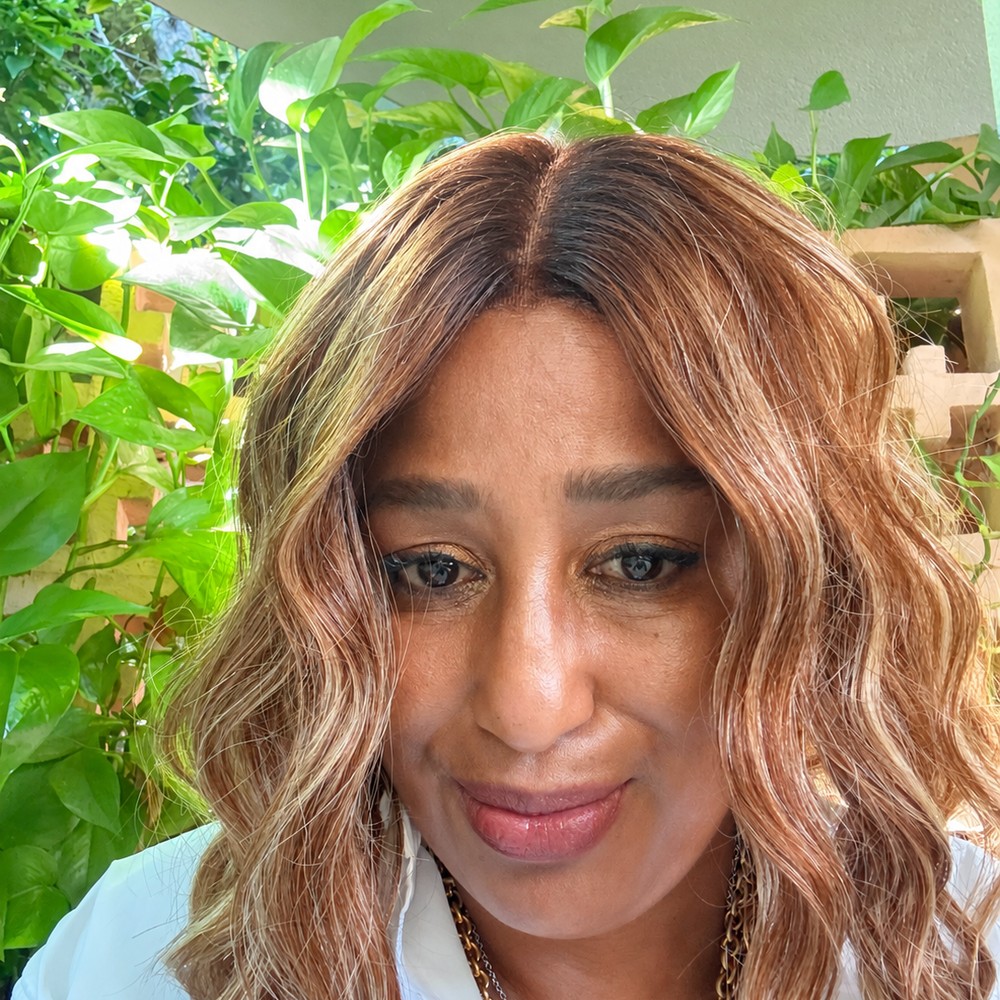
Creator | Host | Co-Executive Producer
Elle Schwartz is a behavioral analyst, writer, and the creator, host, and executive producer of The Good Edit Unfiltered, an award winning podcast that brings context to reality television. Born in Compton, California, she holds five degrees from private institutions, including the University of Southern California, and draws on her background in behavioral science to examine how production edits shape the stories audiences see on screen.
Launched in February 2026, The Good Edit Unfiltered covers The Real Housewives franchises, Vanderpump Rules, Summer House, The Valley, and Married at First Sight.
The show is produced under Layered Media Inc. and Rude Mood Media, with Schwartz serving as executive producer alongside Ric Swartzlander. Its signature series, the Reality TV Cultural Reckoning, and its Grammar of Conflict framework explore how race, culture, and casting influence the way reality stars are portrayed.
In its first year, the podcast won three 2026 Black Podcasting Awards (Best Producer, Best Daily Podcast, and Original Music) and multiple 2026 Davey Awards, including Gold for the Reality TV Cultural Reckoning series. It ranks number 1 all time in Indie Real Housewives on Goodpods.
Schwartz is a member of the Television Critics Association and a founding member and judge of the Open Podcast Awards. She is also a credited co writer on Kyla & the White Guy, a scripted comedy series optioned by Roku. She lives in Encino, California.
Short bio (for spots with tight character limits)
Elle Schwartz is a behavioral analyst, writer… Read More