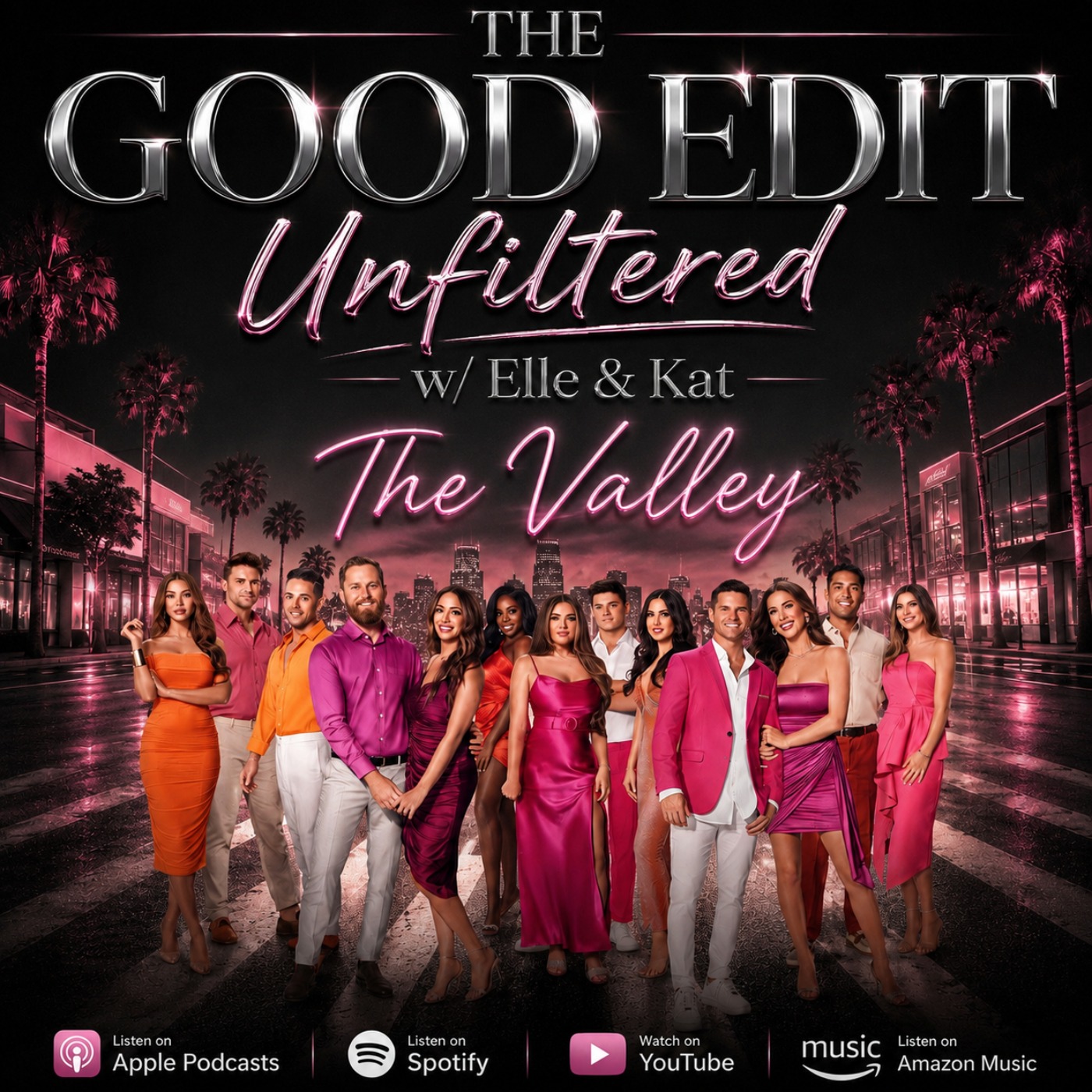
Understanding Enabling Behaviors in Reality TV Relationships

Enabling Behaviors in Reality Tv | In the high-pressure environment of reality television, we often witness partners reinforcing toxic social patterns rather than providing healthy emotional support. This analysis explores the psychological mechanics of 'enabling' within cast dynamics, specifically how one partner’s validation of negative behaviors can isolate survivors and escalate group conflict, ultimately damaging interpersonal trust and authentic communication.
Key Takeaways
- Enabling occurs when one partner reinforces another’s maladaptive social behavior to avoid conflict or maintain group status.
- Publicly attacking a peer’s trauma response is a hallmark of defensive group projection.
- True support requires the emotional intelligence to separate personal loyalty from accountability for harmful actions.
- The cycle of enabling prevents personal growth and creates long-term social isolation for the 'enabler' and the 'enabler.'
- Trauma-informed communication is the only antidote to the performative drama often incentivized by reality production.
The Anatomy of Enabling in Group Dynamics
When we look at reality television, specifically the dynamics seen on programs like The Valley, it is easy to label someone a 'villain.' However, from a psychological perspective, it is more productive to examine the 'enabling' mechanism. Enabling, in this context, is the act of providing a safety net for toxic behavior, effectively shielding a partner from the social consequences of their actions. When one cast member targets another—particularly someone vulnerable, such as a survivor of trauma—their partner often steps in to solidify that stance, not necessarily because they believe it is correct, but because their internal alignment depends on it.
Why Partners Choose to Enable
In the intense, insular bubble of a reality show set, a couple often functions as a singular political unit. If one person enters a dispute, the other feels an existential need to defend them. This is where the 'enabler' loses their agency. By justifying their partner's vitriol toward someone who is currently sharing a difficult personal history, the enabler prioritizes the relationship's immediate comfort over moral clarity. This creates a feedback loop: the aggressor feels emboldened, the victim feels further isolated, and the group dynamic shifts from an honest exchange of emotions to a battle of us-versus-them.
The Impact of Enabling on Vulnerable Cast Members
When a cast member opens up about something as serious as sexual assault, they are engaging in a high-stakes moment of vulnerability. In a healthy social environment, this would be a moment for collective holding space. However, in an enabling environment, the reaction is often defensive. Because the aggressor may feel insecure or threatened by the attention and empathy directed toward the survivor, the enabler often attempts to 'defuse' the situation by attacking the survivor’s character or motives. This is a classic deflection technique that, while temporarily shielding the aggressor, inflicts secondary trauma on the person sharing their story.
The Dangers of Performative Support
We see this frequently when cast members claim to be 'real' or 'honest,' yet use those labels to justify cruel behavior. Enabling allows the aggressor to frame their bullying as 'telling the truth' or 'calling someone out.' When the enabler validates this framing, they provide the aggressor with a sense of moral superiority that is completely detached from reality. This is not just bad behavior; it is a fundamental lack of social literacy that turns group interactions into toxic minefields.
Breaking the Enabling Cycle
How do we move away from this? It begins with the individual's ability to act as an independent agent rather than a co-dependent extension of their partner. If an enabler were to step back and ask, 'Is my partner’s reaction actually proportional to what is happening here?' they might find that the answer is no. By creating space to support the partner while still acknowledging that the partner's actions may have been hurtful to others, the dynamic could shift from conflict-based drama to actual growth and accountability.
Listen to the Discussion
The intersection of reality TV drama and actual psychological well-being is a complex landscape to navigate. If you want to dive deeper into these dynamics, including specific breakdowns of how these patterns manifest on screen, join us for our full, unfiltered analysis. Listen to the full episode and join our community as we explore how the edit shapes our perception of these very real human conflicts.
Frequently Asked Questions
What is the difference between support and enabling?
Support involves holding someone accountable while being present for their emotions, whereas enabling involves validating toxic behaviors and protecting someone from the natural consequences of their negative actions.
Why do reality stars tend to enable partners?
They are often driven by the need to maintain a 'united front' in a high-stress, competitive environment, where any perceived division between a couple can be exploited by other cast members.
How does enabling affect group chemistry?
It creates rigid, polarized camps within the group, prevents authentic conflict resolution, and often leads to the systematic isolation of whoever is currently being targeted by the lead aggressor.
Can an enabler change their behavior?
Yes, by developing stronger boundaries and the ability to view social situations objectively, even when those situations involve their romantic partner.
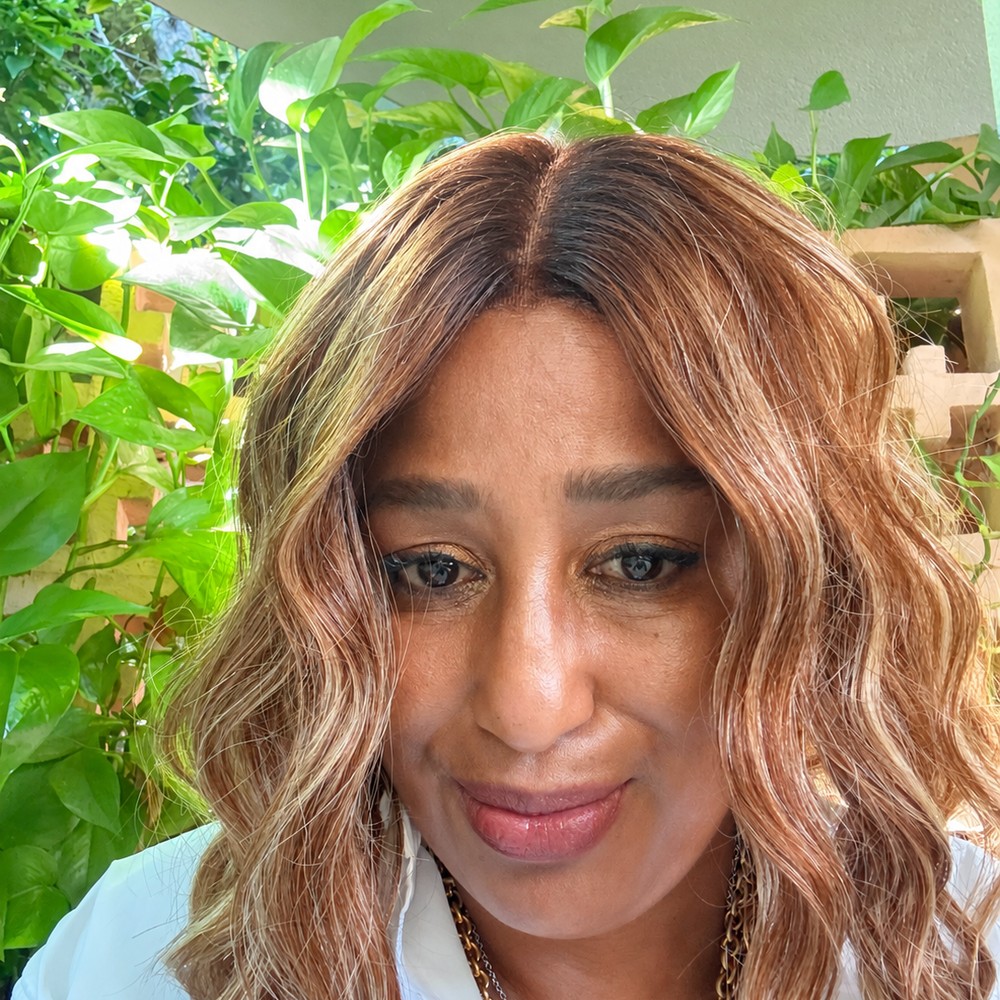
Creator | Host | Co-Executive Producer
Kat Vasseghi is a Bravo Commentator and the co-creator and co-host of The Good Edit w/ Elle & Kat, a culture-forward podcast where reality TV meets psychology, sociology, and sharp analysis. Previously known for her brand BravoRecs, Kat brings years of fluency in the Bravo universe its personalities, storylines, and fandoms paired with quick wit and a fan's instinct for the moments that matter. As a Bravo Commentator, she turns each recap into something sharper and more revealing than the average reaction show.
Known for her humor and culturally fluent takes, Kat reads the Bravo universe through the lens of the fans who live in it, catching the shifts and subtext other recaps miss. Alongside co-host Elle Schwartz, she co-created The Good Edit w/ Elle & Kat, blending cultural fluency, sharp humor, and elevated Bravo commentary into one of the most refreshing new voices in the reality TV podcast space.