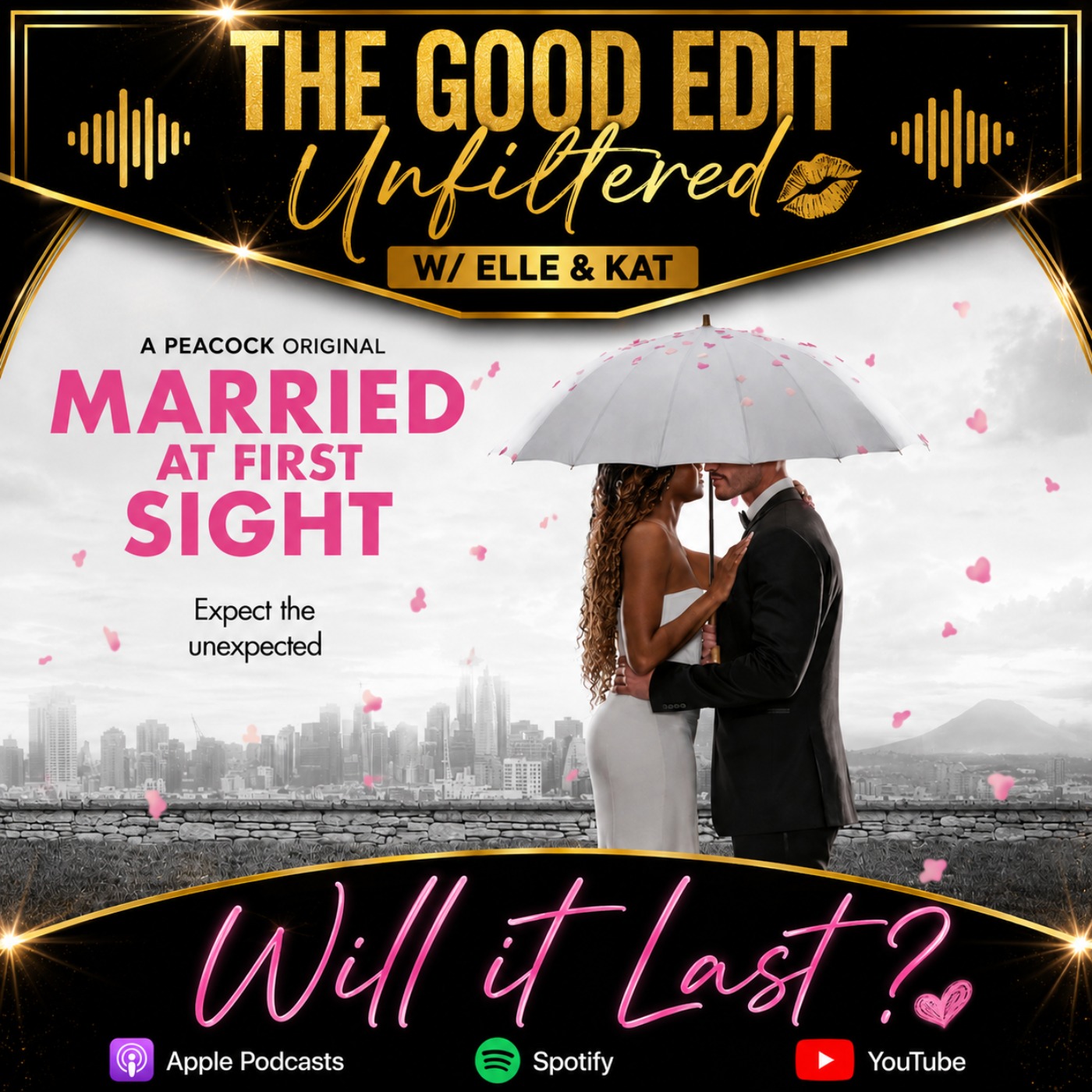
Why Reality TV Couples Need 'Engaged at First Sight' Rather Than Marriage
Should reality television experiments prioritize engagement over legal marriage to protect participants from long-term emotional fallout? By transitioning to an 'engaged-at-first-sight' format, producers could mitigate the psychological trauma associated with immediate divorce, prioritize genuine compatibility over legal commitments, and provide a safer framework for couples to navigate early relationship challenges without the weight of a court-mandated dissolution.
Key Takeaways
- The psychological pressure of a legal wedding at the start of a social experiment often masks true compatibility issues.
- Transitioning to an engagement-based model allows for a 'cooling off' period that mimics real-world dating.
- Legal divorces create significant post-show trauma that can impact a participant's future ability to trust.
- The current eight-week timeline is insufficient for forming the foundation required for a lifelong legal contract.
- Redefining the experiment goals could improve the quality of relationships and reduce the 'cautionary tale' stigma.
The Trauma of the Fast-Track Marriage
In the landscape of reality dating shows, few formats carry the weight of a legal marriage. When participants meet their partner at the altar, they aren't just engaging in a social experiment; they are signing binding legal contracts. As we discussed on this episode, the emotional toll of this process often goes overlooked in favor of high-stakes drama. Legal divorce is a grueling, expensive, and emotionally scarring process, even for people who have been married for years. When it occurs after just eight weeks of televised filming, the trauma is compounded by the public nature of the breakup.
The current structure creates a scenario where the 'success' of the show is measured by whether the couple stays married, rather than whether they have built a healthy, sustainable foundation. This paradox forces participants into high-pressure situations that rarely reflect how successful marriages are actually formed.
The Case for 'Engaged at First Sight'
Moving toward an engagement-based model could fundamentally change the trajectory of these relationships. By removing the legal marriage aspect, the show could focus on the psychological and emotional evolution of the participants. Engagement serves as a 'testing phase' that is widely recognized in traditional dating culture. It is a period for discovery, integration of lives, and, most importantly, the ability to exit if the match proves fundamentally incompatible.
If the end goal were a commitment ceremony or a deeper level of courtship rather than a wedding, the pressure to 'make it work' for the sake of the cameras would likely decrease. This would allow for more authentic reactions and less performance-based behavior. As hosts, we’ve analyzed how editing impacts the narrative of reality stars, and the 'marriage' label is one of the most powerful tools producers use to force character arcs—often to the detriment of the participants' mental health.
Psychological Safety and Future Relationships
The impact of a failed reality TV marriage doesn't end when the cameras stop rolling. Participants who enter the show looking for genuine connection often leave with a 'divorced' status on their records, which carries a societal and personal weight that can be difficult to shake. By shifting the goalpost to engagement, the show could offer a form of 'protector' status to its cast members.
Furthermore, when the threat of divorce is removed, couples can focus on the 'real world' challenges mentioned in our discussion. Dealing with finances, communication styles, and family integration becomes a process of learning, rather than a make-or-break situation that leads to explosive on-camera fights. An engagement-based format allows participants to leave the experience with their dignity—and their legal status—intact, regardless of whether the relationship leads to the altar in the future.
Reforming Reality TV Stakes
It is time to ask: do we need the 'marriage' label to be entertained? The answer is a resounding no. The most compelling reality television comes from watching human dynamics, psychological growth, and the complexities of human attraction. None of those elements require a marriage license to be interesting to an audience. By leaning into an engagement model, shows like this could set a higher standard for the genre, proving that high stakes don't have to mean long-term life damage.
Ultimately, the goal of these experiments should be to facilitate lasting love, not to create 'cautionary tales.' For more in-depth analysis on how production choices and formatting decisions affect the lives of reality stars, be sure to listen to the full episode. We break down the psychology of these dynamics and discuss why these shifts are necessary for the future of the genre.
Frequently Asked Questions
Why is the marriage aspect controversial?
The marriage aspect is controversial because it imposes a legal commitment on two strangers under high-pressure conditions, often leading to rapid, public divorces that carry significant emotional and legal weight.
Would engagement lessen the drama?
Not necessarily. Emotional stakes, chemistry, and conflict are inherent in dating; an engagement model would shift the focus from 'staying married at all costs' to 'building a healthy relationship,' which can be just as compelling to viewers.
What happens after the cameras stop rolling?
Many participants face a long road of rebuilding trust and processing the public fallout of their relationship, which is often exacerbated by the legal complications of having been married in front of millions of viewers.
Can reality TV be a shortcut to love?
While the show provides an intense environment for self-discovery, it is rarely a 'shortcut' to love, as the artificial constraints often hinder the natural development of intimacy, respect, and long-term compatibility.