Why Helen Gurley Brown's 1962 Dating Playbook Explains Ariana Biermann's Reality TV Choices
Reality television often paints single women as desperate or chaotic, but a closer behavioral analysis reveals a much older, strategic playbook at play. By examining Ariana Biermann's recent dating choices through the lens of Helen Gurley Brown's 1962 classic Sex and the Single Girl, we can see that her refusal to rush into a conventional relationship is actually a masterclass in modern independence.
Key Takeaways
- Helen Gurley Brown argued in 1962 that unmarried years are a productive period, not a waiting room for marriage.
- Ariana Biermann mirrors this vintage philosophy by keeping her options open and refusing to rush into a steady label.
- Dating multiple people like Liam while uncoupling from Hudson is a strategic choice, not messy behavior.
- Rehabilitating Charlie's image during a Friendsgiving gratitude circle reveals a deeper disconnect in how Ariana narrates her relationships.
The 1962 Text That Explains Modern Reality TV
While fashion trends come and go—as evidenced by cast members stepping into grocery stores in fur and heels channeling 1998 Carrie Bradshaw—the underlying behavioral text guiding these women is often much older. When we look past the aesthetic layers of current reality programming, we find foundational relationship scripts written decades ago.
In 1962, Helen Gurley Brown published a cultural earthquake titled Sex and the Single Girl. The core argument of the book was simple yet revolutionary for its time: the unmarried years were a legitimate, productive period of a woman's life rather than an embarrassing waiting room before the main event of marriage. Brown argued that a woman was entirely allowed to find multiple things interesting at once, and that rushing into the first available steady option was the ultimate mistake a young woman could make.
When we apply this specific framework to the latest season, Ariana Biermann's choices stop looking erratic and start looking remarkably disciplined. She is operating straight out of the Brown playbook, whether she realizes it or not.
Decoding Ariana Biermann's Dating Strategy
Let us look at the timeline. Ariana made the clean break from Hudson, chose to explore dates with Liam, and steadfastly refused to slap a heavy, premature label on a brand-new dynamic. In the traditional reality television ecosystem, this behavior is immediately branded as messy, confused, or commitment-phobic.
However, through a behavioral lens, her approach is entirely correct. She is refusing to treat her single status as an emergency. She is testing compatibility without surrendering her autonomy. She is living out the premise that a woman can explore multiple avenues of interest before deciding where to invest her long-term energy.
The edit wants us to view her indecision as a flaw, but Brown's philosophy teaches us that hesitation in the face of subpar options is actually a high-value survival skill. Ariana is protecting her peace by refusing to fast-track a romance simply because the cameras are rolling and the audience wants a neat, wrapped-up love story.
Where the Vintage Playbook Breaks Down
Every analytical framework has its limits, and the Helen Gurley Brown comparison hits a fascinating wall when we examine Ariana's public narrative versus the reality of her partners' words.
Brown's philosophy demanded radical self-awareness and brutal honesty about what men actually stated they wanted. This is where Ariana's behavior diverges from the blueprint. During the Friendsgiving gratitude circle, instead of expressing gratitude for her own peace or growth, Ariana used her turn to publicly rehabilitate Charlie's image in front of the entire group.
The behavioral contradiction here is glaring. Charlie has stated in plain, unambiguous language on camera what he wants from Ariana at least three times. Yet, Ariana continues to narrate a much softer, more idealized version of Charlie—a version that he has never once claimed for himself. While she executes the dating-freedom aspect of the 1962 playbook brilliantly, she stumbles when projecting romantic potential onto a partner who has already shown her his boundaries.
Conclusion and Further Listening
Reality television relies on editing women into punchlines, forcing them into boxes that reduce their complex decision-making to emotional chaos. By stripping away the manufactured drama and applying a historical behavioral framework, we see that Ariana Biermann's dating life is far more calculated and defensible than the producers want us to believe. Understanding the nuance between a forced edit and actual human choice changes how we consume these shows forever.
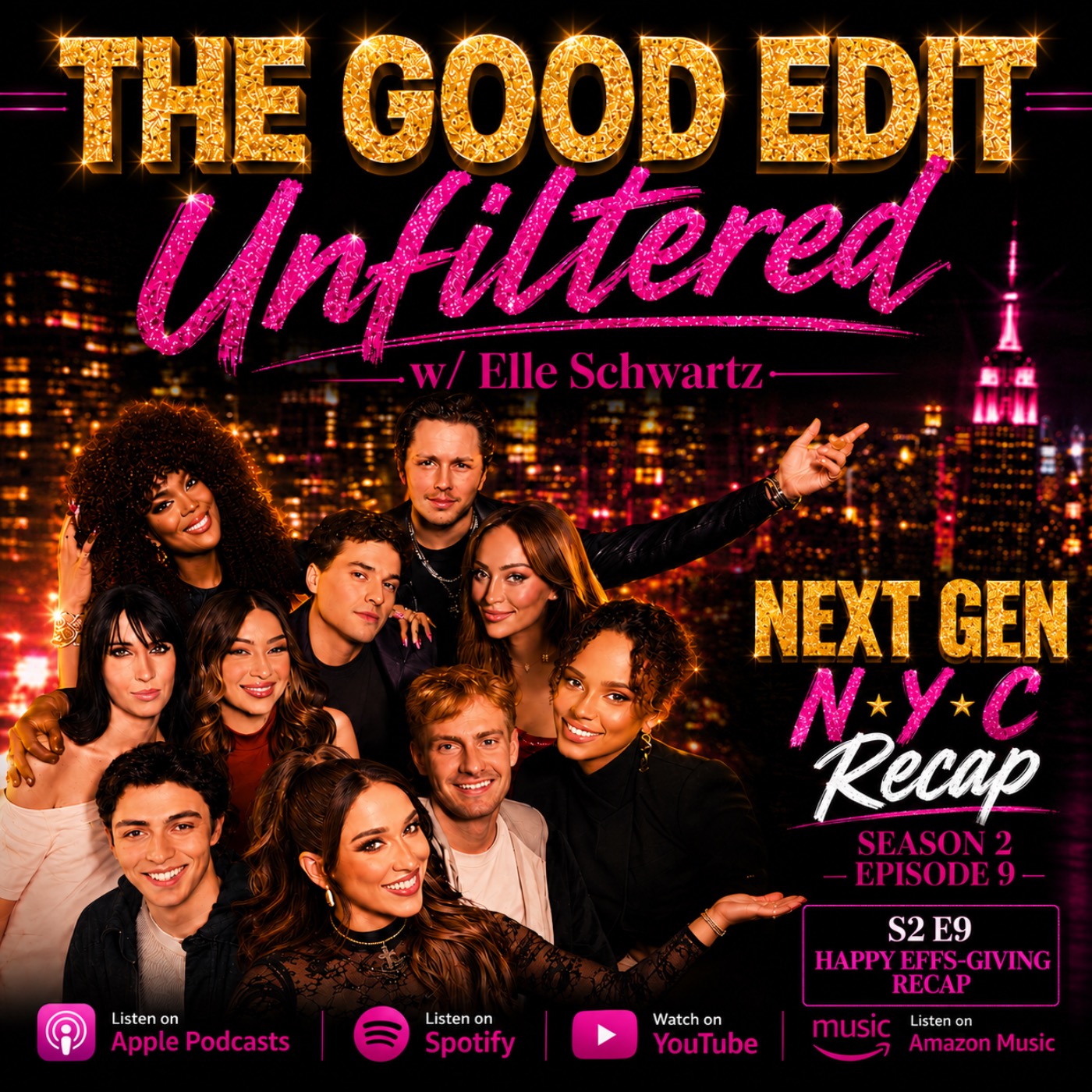
For a complete scene-by-scene breakdown of this episode, including deep dives into Shai's boundary-setting and the dynamics behind the Friendsgiving table, make sure to Listen to the full episode of The Good Edit Unfiltered.
Frequently Asked Questions
Why compare a modern reality star to Helen Gurley Brown?
Helen Gurley Brown's 1962 book 'Sex and the Single Girl' established the radical idea that singlehood is a productive, independent phase of life rather than a waiting period for marriage, which directly mirrors smart modern dating choices.
Does reality TV editing exaggerate the messiness of single women?
Yes. Producers frequently edit normal dating exploration—such as going on casual dates without locking down a title—to look like emotional instability or confusion for dramatic effect.
What was the contradiction in Ariana's Friendsgiving speech?
While Ariana is great at keeping her dating options open, she paradoxically spends time publicly narrating a softer, more committed version of Charlie that contradicts the literal words he has spoken on camera.