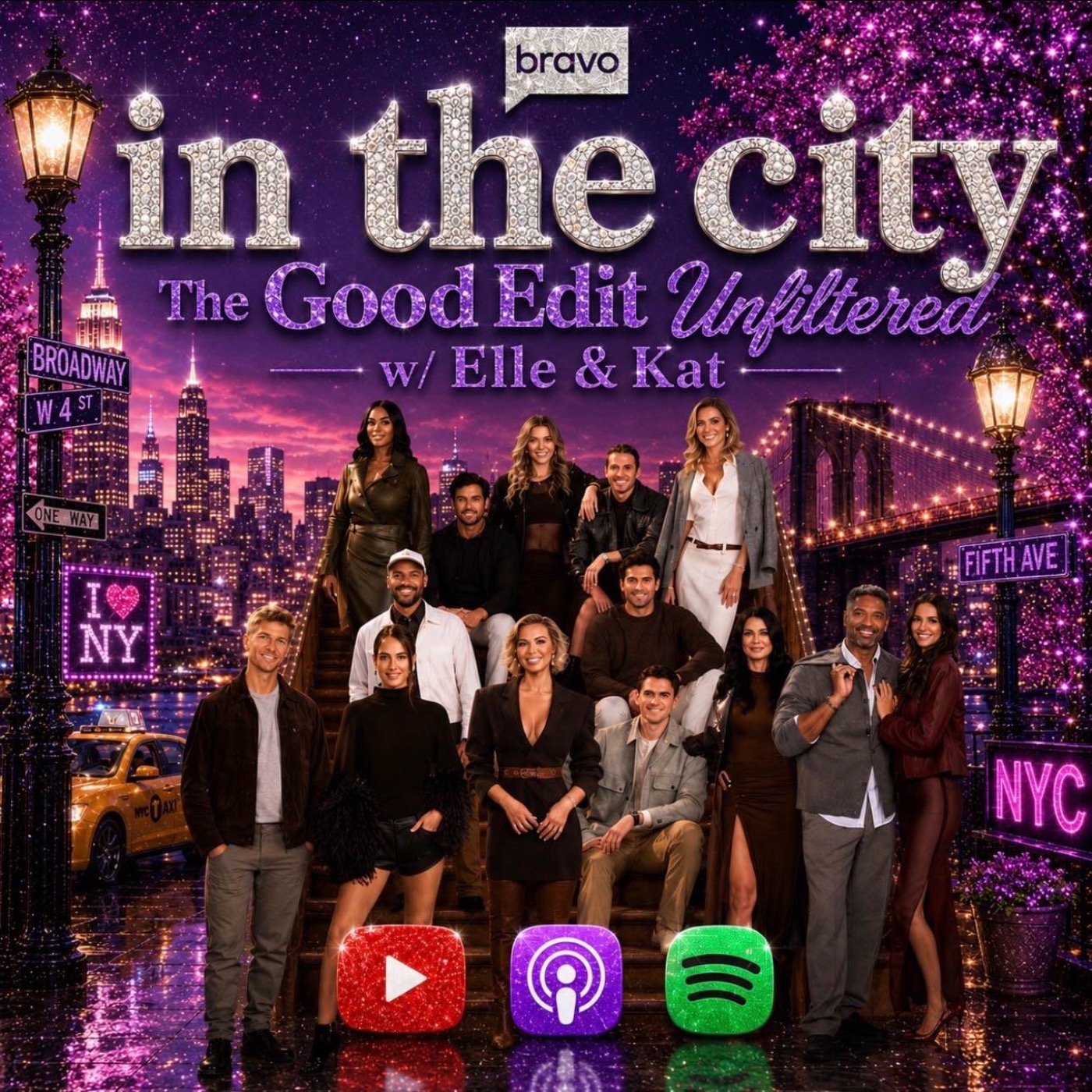
Decoding Authenticity: How 'In the City' Cast Archetypes Reveal Real vs. Produced Drama
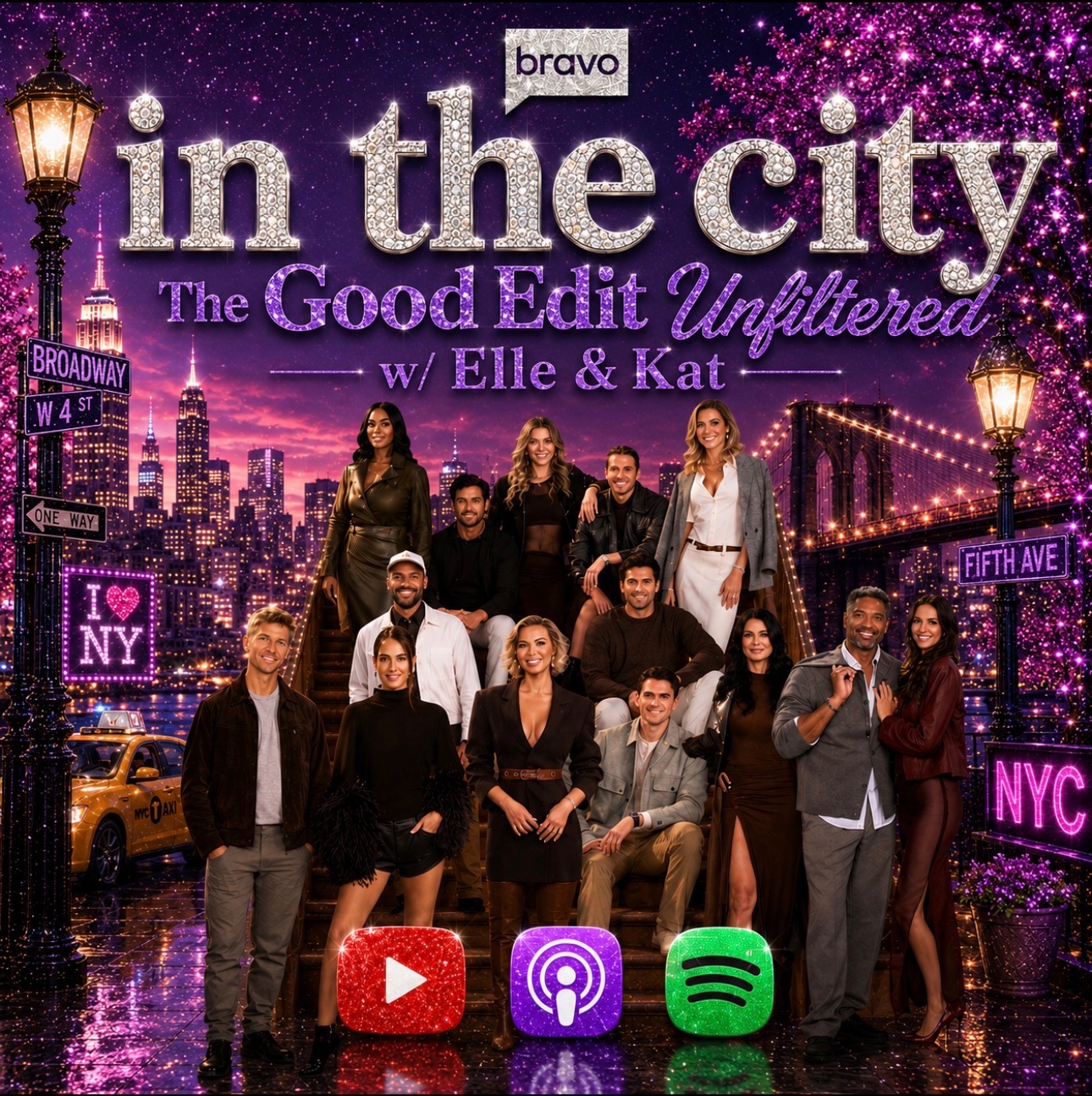
This post explores how specific cast archetypes on Bravo's 'In the City' can be used to dissect authentic emotional moments from manufactured reality TV drama, offering a lens to understand the show's underlying dynamics beyond just surface-level conflicts.
Key Takeaways
- Cast archetypes like the 'mama bear' and 'newcomer' are often employed to quickly establish character and drive narratives in reality TV.
- Observing how these archetypes react under pressure can differentiate genuine emotional responses from scripted reactions.
- The 'In the City' episode highlights that perceived authenticity often shines brightest amidst structured chaos and predictable character roles.
- Understanding these archetypes helps viewers appreciate the subtle cues of undeclared alliances and brewing conflicts.
- The show's editing and production strategies play a crucial role in emphasizing or downplaying these archetypal behaviors.
The Power of Archetypes in Reality Television
Reality television, at its core, relies on storytelling, and a fundamental tool in any storyteller's arsenal is the use of archetypes. On shows like Bravo's 'In the City,' these pre-established character molds serve as a quick way to introduce viewers to the cast and set up potential storylines. We see familiar patterns emerge: the nurturing 'mama bear' figure, the ambitious 'newcomer,' the volatile antagonist, and the seemingly neutral mediator. These archetypes aren't necessarily negative; they provide a framework that helps us process complex personalities and group dynamics efficiently. However, they also create an expectation of behavior. When a character consistently acts within their archetype, it can feel authentic. But when they deviate, or when their actions feel exaggerated to fit the mold, it raises questions about what is real and what is produced.
Identifying Archetypes on 'In the City'
In the recent episode of 'The Good Edit Unfiltered,' hosts Elle and Kat delve into the intricate dynamics of 'In the City,' and a key takeaway is how readily we can categorize certain cast members. For instance, Georgina is presented as the protective 'mama bear,' a role that often involves dispensing advice, mediating disputes, and looking out for her chosen friends. This archetype is instantly relatable because it taps into universal themes of caretaking and loyalty. Then there's Whitney, the newcomer, whose archetype often involves being an outsider trying to find her place, perhaps stirring the pot unintentionally or intentionally to make an impression. These roles are not necessarily organic self-identifications but are often carefully curated by production through casting and editing. The success of these archetypes lies in their ability to resonate with viewers, making the narrative easier to follow and the emotional stakes feel higher, whether they are genuine or amplified.
The 'Mama Bear' and the 'Newcomer': A Case Study
The episode highlights the interplay between these two archetypes. Georgina, the 'mama bear,' might find her protective instincts challenged by Whitney, the newcomer, who could be perceived as disruptive or too eager to make waves. The 'mama bear' archetype often operates from a place of established order, while the 'newcomer' archetype inherently seeks to disrupt it. This inherent tension is fertile ground for reality TV drama. However, the critical question that Elle and Kat unpack is the authenticity of this dynamic. Is Georgina's protectiveness a genuine extension of her personality, or is it amplified by the need to fulfill her 'mama bear' role for the cameras? Similarly, is Whitney's assertiveness driven by a desire to forge genuine connections, or is it a calculated strategy to secure her place on the show by creating conflict? The answer often lies in the subtle nuances of their interactions – the micro-expressions, the unsolicited advice that feels controlling, or the manufactured rivalries that seem to appear out of nowhere.
When Archetypes Feel Produced vs. Authentic
The challenge for viewers and analysts alike is discerning when an archetype is merely a convenient label and when it reflects a genuine personality trait. 'In the City' itself grapples with this duality, as noted in the episode discussion: some scenes feel overly produced, while others reveal raw, authentic moments. The key differentiator often lies in the consistency and context of the behavior. When a character's actions consistently align with their established archetype across various situations and reactions, it leans towards authenticity. However, when a character suddenly acts out of character solely to create drama, or when their 'archetypal' behavior feels rehearsed or overly performative, it signals production influence. For example, a 'mama bear' suddenly engaging in petty gossip might feel disingenuous if it's not rooted in her established protective instincts. Conversely, a newcomer's bold move, if it stems from a clear personal motivation and isn't just designed to provoke, can feel very real.
The Role of Editing in Shaping Perceptions
It's crucial to remember that the archetypes we see are not solely created by the cast members themselves. The editing room is where these characters are truly forged. Producers select footage that emphasizes certain traits, downplays others, and stitches together narratives that align with the desired storyline. If the show needs a conflict between Georgina and Whitney, editors can easily find moments where Georgina's protectiveness clashes with Whitney's ambition, or where Whitney's actions can be framed as disrespectful to Georgina's position. The 'produced' feeling often stems from this deliberate shaping. Moments that might have been fleeting or nuanced in reality can be elongated, juxtaposed with dramatic music, or intercut with confessional interviews that explicitly frame them as archetypal clashes. This strategic editing makes it difficult to ascertain the true underlying dynamic, turning potentially authentic interactions into something that feels manufactured.
Navigating the Scripted Chaos for Genuine Insights
So, how can viewers navigate this landscape and find genuine insights? The advice from 'The Good Edit Unfiltered' podcast, and particularly this episode, is to pay close attention to the subtle cues. Look for moments where characters express vulnerability or reflect on their actions outside of a conflict scenario. Observe how cast members interact when they believe the cameras aren't directly focused on them – the 'room-hopping mishaps' and 'social media hot takes' mentioned can often reveal more than planned confessionals. Undeclared alliances and brewing conflicts might be hinted at through lingering glances, hesitant responses, or the absence of expected reactions. The beauty of reality TV, when viewed critically, is that even within the manufactured chaos, genuine personalities and relational dynamics tend to surface. It's in these authentic glimmers, often shining brightest amidst the scripted narrative, that we find the most compelling truths about the cast and the complex dance between real friendship and performance.
Understanding these archetypes and the role of production is key to appreciating the layered storytelling of shows like 'In the City.' It allows us to move beyond surface-level drama and engage with the psychological and strategic elements at play. By looking for these authentic moments, viewers can gain a deeper understanding of the cast's true personalities and the intricate social dynamics unfolding under the glare of the cameras.
For a comprehensive breakdown of the Lindsey and Yvonne feud and a deeper dive into the cast dynamics of 'In the City,' listen to the full episode.
Frequently Asked Questions
How do reality TV producers use archetypes?
Producers use archetypes to quickly establish character roles and create narrative arcs that are easily digestible for viewers. By casting individuals who naturally fit or can convincingly portray archetypes like the 'villain,' 'hero,' 'peacemaker,' or 'outsider,' they can predict potential conflicts and alliances, thereby streamlining the storytelling process and enhancing dramatic potential.
What are signs that a character is acting out of their archetype for drama?
Signs include sudden shifts in personality that don't align with past behavior, overly dramatic reactions to minor events, or actions that seem designed purely to provoke conflict rather than stem from genuine emotion or motivation. Conversely, a character consistently acting within their archetype, especially when it involves vulnerability or nuanced interactions, often suggests authenticity.
Can an archetype be both authentic and produced at the same time?
Yes, it's common for an archetype to have roots in a cast member's authentic personality but be amplified or manipulated by production. Producers might encourage or highlight behaviors that fit the archetype, while the cast member might lean into the role because it serves their interests on the show. The key is discerning where the genuine personality ends and the performance or production influence begins.
How does editing affect our perception of cast archetypes?
Editing is crucial. It can selectively present footage to reinforce an archetype, creating a specific image for a cast member. By choosing certain shots, soundbites, and sequences, editors can exaggerate a character's traits, frame their actions in a particular light, and ultimately solidify their archetypal role in the viewer's mind, often disguising the complexity of real-life interactions.

Creator | Host | Co-Executive Producer
Kat Vasseghi is a Bravo Commentator and the co-creator and co-host of The Good Edit w/ Elle & Kat, a culture-forward podcast where reality TV meets psychology, sociology, and sharp analysis. Previously known for her brand BravoRecs, Kat brings years of fluency in the Bravo universe its personalities, storylines, and fandoms paired with quick wit and a fan's instinct for the moments that matter. As a Bravo Commentator, she turns each recap into something sharper and more revealing than the average reaction show.
Known for her humor and culturally fluent takes, Kat reads the Bravo universe through the lens of the fans who live in it, catching the shifts and subtext other recaps miss. Alongside co-host Elle Schwartz, she co-created The Good Edit w/ Elle & Kat, blending cultural fluency, sharp humor, and elevated Bravo commentary into one of the most refreshing new voices in the reality TV podcast space.