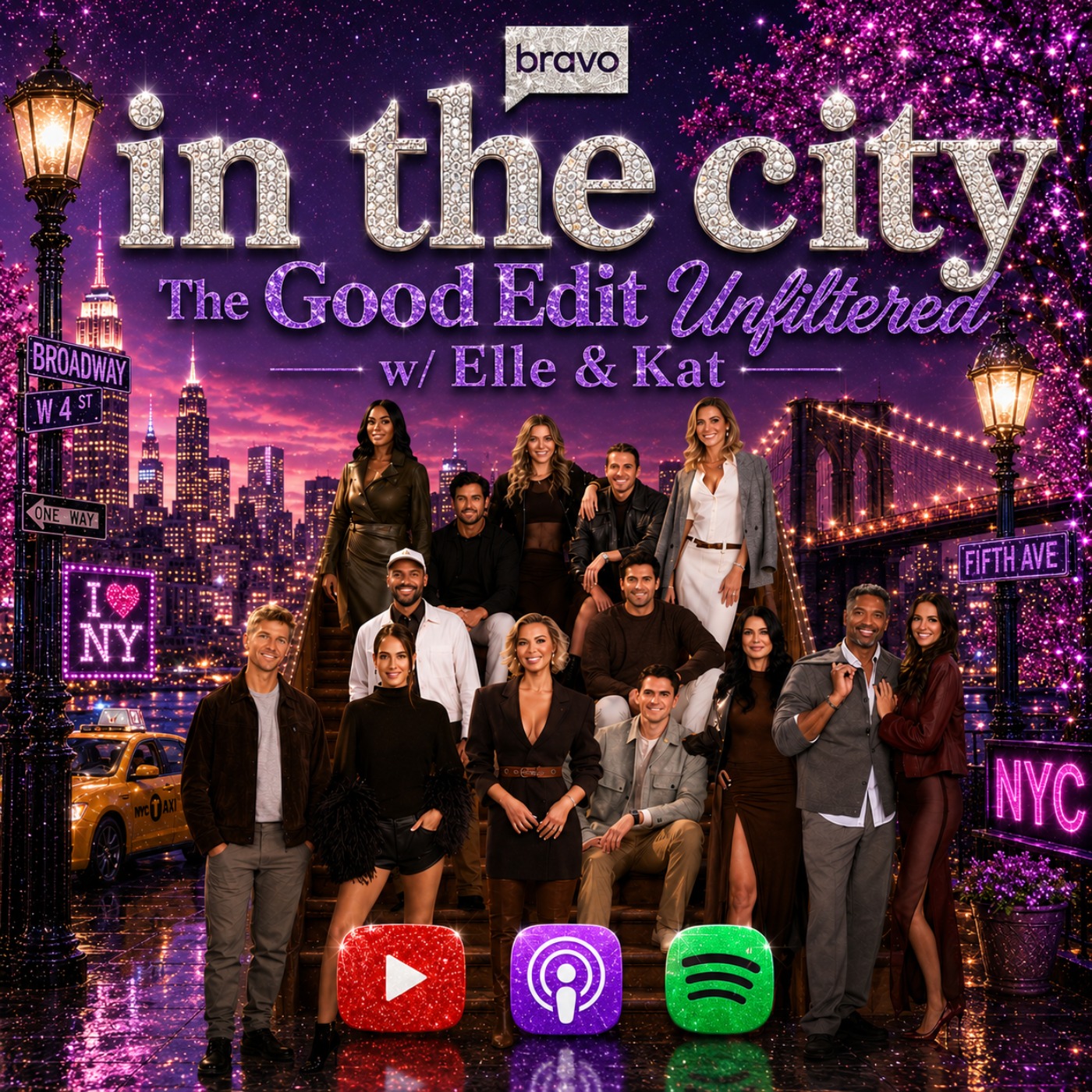
Is Danielle a Misunderstood Villain on In the City, or a Victim of the Edit?
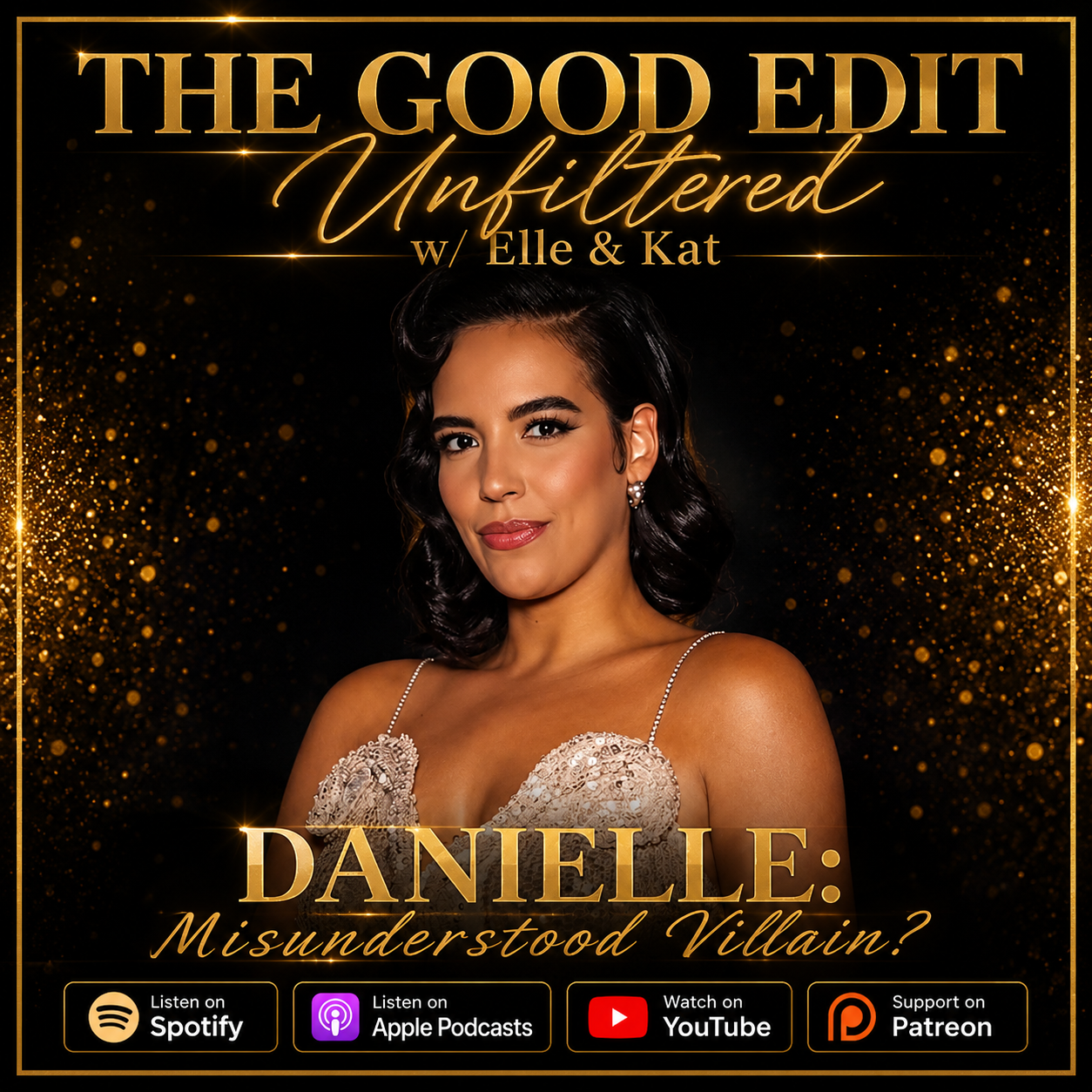
Is Danielle a misunderstood villain on In the City | On 'In the City,' Danielle's behavior often lands her in hot water, leading many to label her a villain. But 'The Good Edit Unfiltered' podcast questions if this label is truly earned, or if the show's editing and focus on her past have unfairly shaped her narrative.
Key Takeaways
- Danielle's on-screen actions on 'In the City' are frequently perceived as villainous.
- The podcast explores how editing choices and the emphasis on her romantic history may contribute to this perception.
- An analysis of her past relationships suggests they could be influencing her current behavior and how it's presented.
- The episode questions the authenticity of Danielle's portrayal, considering the potential for producer manipulation.
- Understanding the show's narrative construction offers a more nuanced view of Danielle beyond a simple 'villain' label.
The Villain Trope and Danielle's Role
Reality television thrives on archetypes, and the villain is a cornerstone of dramatic storytelling. These characters, often catalysts for conflict, are essential for driving narratives and keeping viewers engaged. On 'In the City,' Danielle frequently finds herself cast in this role. Her interactions, particularly with Lindsey, often devolve into arguments that leave audiences questioning her motives and behavior. However, as 'The Good Edit Unfiltered' podcast, hosted by Elle and Kat, frequently reminds its listeners, what we see on screen is not always the unadulterated truth. The edit is a powerful tool, and the hosts suggest that Danielle's perceived villainy might be a carefully constructed narrative rather than an inherent personality trait. By consistently highlighting her most contentious moments and framing them within the context of her past romantic entanglements, the production may be actively shaping her into the season's antagonist, whether she truly embodies that role or not. This strategic editing can amplify negative traits and downplay any redeeming qualities, ensuring she serves the dramatic needs of the show.
Exploring Danielle's Romantic Past as a Narrative Driver
A recurring theme explored on 'The Good Edit Unfiltered' is the significant influence of a cast member's romantic history on their on-screen persona, and Danielle on 'In the City' is a prime example. The podcast hosts delve into how the show's producers consistently bring up Danielle's past relationships, using them as a lens through which to interpret her current actions. This focus suggests that her history is not merely background information but a critical element in constructing her narrative. Are her current outbursts a result of unresolved issues from past romances? Or is the show exploiting these past connections to create drama and solidify her villain status? The podcast team posits that the latter is a strong possibility. By repeatedly referencing ex-partners and the associated drama, the production team can effectively frame Danielle's present behavior as a direct consequence of her romantic entanglements. This narrative choice serves multiple purposes: it provides a ready-made source of conflict, creates an easy-to-understand (albeit potentially inaccurate) character arc, and allows the audience to project judgments based on perceived patterns of behavior. The hosts of 'The Good Edit Unfiltered' encourage listeners to critically examine how these narrative threads are woven, questioning whether the emphasis on Danielle's romantic past is a genuine reflection of her struggles or a deliberate production tactic to mold her into a specific on-screen character.
Beyond the Label: Is Danielle Misunderstood?
The podcast 'The Good Edit Unfiltered' encourages a deeper look at the individuals on reality television, urging listeners to question the surface-level portrayals. In the case of Danielle from 'In the City,' the hosts propose that the 'villain' label might be too simplistic, failing to account for the complexities of her situation and the potential for misrepresentation. They argue that by focusing heavily on her romantic history and showcasing her most volatile moments, the production team may be inadvertently creating a narrative that is more sensational than accurate. This selective editing can strip away context, leaving viewers with an incomplete picture of Danielle's motivations and experiences. Could her outbursts be a defense mechanism? Is she reacting to provocations that are edited out? The podcast team suggests that without understanding the full picture – including the potential impact of producer manipulation and the pressure of constant filming – it’s easy to fall into the trap of labeling her. Elle and Kat often discuss how reality TV characters are often forced into boxes for narrative convenience, and Danielle may be a victim of this process. The 'misunderstood' aspect arises from the possibility that her true self, her genuine reactions, and her personal growth are being sacrificed for the sake of a compelling, albeit potentially unfair, storyline. The hosts invite listeners to consider alternative interpretations of her actions, moving beyond the easy 'villain' tag to explore the possibility of a more nuanced and perhaps sympathetic character whose reality is being distorted for entertainment.
The Subtle Art of Reality TV Character Construction
Understanding how characters are built on shows like 'In the City' is central to the mission of 'The Good Edit Unfiltered.' Elle and Kat consistently dissect the production strategies that shape our perceptions. For Danielle, the podcast argues, her character construction is heavily reliant on specific narrative devices. The persistent callbacks to her romantic history are not organic occurrences but deliberate choices by the production team. These references serve to create a consistent, albeit potentially biased, storyline for her. The hosts highlight how certain scenes, interactions, and even confessional soundbites are strategically placed to reinforce the idea that her romantic past dictates her present behavior and conflicts. This is a common tactic in reality TV: establishing a defining characteristic or past event and then showing how it influences every subsequent action. For Danielle, this means that even a minor disagreement can be framed through the lens of her romantic history, amplifying its significance and contributing to her 'villain' narrative. The podcast encourages listeners to become more critical viewers, recognizing these editing techniques and questioning the intent behind them. By understanding the 'how' behind the story, we can begin to see the 'why' – why Danielle is being portrayed in a certain way and what purpose that serves within the broader context of the show's narrative arc. The hosts emphasize that the edit is never accidental, and the construction of Danielle's character is a testament to the intricate planning that goes into crafting compelling reality television.
Revisiting the Danielle-Lindsey Dynamic
The relationship between Danielle and Lindsey on 'In the City' is a focal point of much of the season's drama, and 'The Good Edit Unfiltered' podcast dedicates time to unpacking their interactions. The hosts observe that these confrontations are often intense, contributing significantly to Danielle's reputation for causing trouble. However, they also suggest that the way these arguments are presented to the audience plays a crucial role in how Danielle is perceived. Is Lindsey also contributing to the conflict, but her actions are being framed differently? Or is Danielle's reaction, amplified by editing, the primary driver of the drama? Elle and Kat often discuss the power dynamics at play within cast relationships and how production can leverage these to create compelling television. In the case of Danielle and Lindsey, the podcast suggests that the narrative might be leaning heavily on Danielle as the instigator, potentially due to her established history (as discussed previously) or simply because it makes for a more dramatic storyline. The hosts encourage listeners to analyze these interactions not just for the surface-level conflict but for the underlying production choices that shape our understanding of who is right, who is wrong, and who is the 'villain.' This critical viewing helps to deconstruct the manufactured reality and understand how the edit can create or exacerbate tensions between cast members, leading to simplified characterizations.
For a deeper dive into the production techniques and cast dynamics discussed in this episode, listen to 'The Good Edit Unfiltered' wherever you get your podcasts.
Frequently Asked Questions
- Is Danielle genuinely a villain on 'In the City'?
- The podcast suggests that while Danielle exhibits behaviors often associated with a villain, her portrayal might be heavily influenced by editing and the focus on her past romantic history, leading to questions about whether she is truly a villain or a misunderstood figure.
- How does Danielle's romantic past affect her portrayal on the show?
- The show frequently brings up Danielle's past relationships, and the podcast posits that this is a key narrative device used by producers to interpret and explain her current behavior, potentially solidifying her 'villain' archetype.
- Could the editing on 'In the City' be manipulating the audience's perception of Danielle?
- Yes, 'The Good Edit Unfiltered' podcast frequently highlights how editing can selectively showcase certain moments and frame them in a specific context to shape audience perception, suggesting this is a significant factor in how Danielle is presented.
- What is the 'villain' trope in reality TV?
- The villain trope refers to a character archetype in reality television who is primarily used to create conflict and drama, often acting as an antagonist to other cast members.
- Why is it important to look beyond a simple 'villain' label for reality TV stars?
- Looking beyond simple labels allows for a more nuanced understanding of the individuals, considering the complex interplay of personality, production influence, and editing choices that shape their on-screen personas.
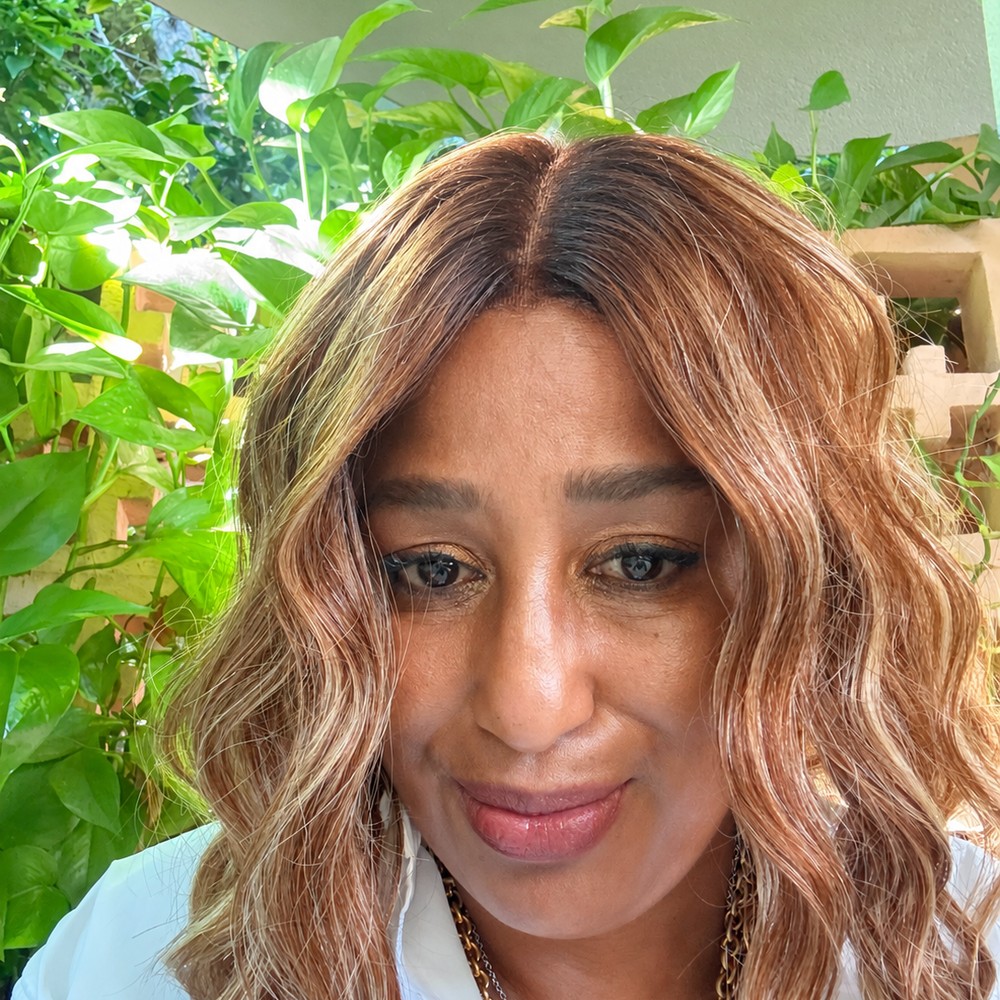
Creator | Host | Co-Executive Producer
Kat Vasseghi is a Bravo Commentator and the co-creator and co-host of The Good Edit w/ Elle & Kat, a culture-forward podcast where reality TV meets psychology, sociology, and sharp analysis. Previously known for her brand BravoRecs, Kat brings years of fluency in the Bravo universe its personalities, storylines, and fandoms paired with quick wit and a fan's instinct for the moments that matter. As a Bravo Commentator, she turns each recap into something sharper and more revealing than the average reaction show.
Known for her humor and culturally fluent takes, Kat reads the Bravo universe through the lens of the fans who live in it, catching the shifts and subtext other recaps miss. Alongside co-host Elle Schwartz, she co-created The Good Edit w/ Elle & Kat, blending cultural fluency, sharp humor, and elevated Bravo commentary into one of the most refreshing new voices in the reality TV podcast space.