John Barlow's Vulnerability on RHOSLC: What Reality TV Editing Misses
When John Barlow admitted on the Real Housewives of Salt Lake City Season 7 premiere that he was not a safe space for Lisa last year, it broke the standard reality TV husband mold. Behavioral analysis reveals how raw accountability, marital jealousy, and a lack of emotional vocabulary manifest under the pressures of a Bravo edit.
Key Takeaways
- John Barlow openly confessed to struggling with jealousy while watching Lisa's successful year.
- Reality television rarely captures healthy, unprompted male vulnerability regarding emotional safety.
- Naming one's emotional needs is a recognized hurdle for spouses caught in high-exposure entertainment careers.
- Behavioral analysis shows that unscripted admissions of marital shortcomings disrupt the standard Bravo villain-husband archetype.
- Husbands on reality TV frequently mask their insecurities, making John's transparency a significant departure from the norm.
The Anatomy of a Raw Confession on Reality TV
Reality television is typically built on conflict, exaggeration, and easily digestible character archetypes. Husbands in the Real Housewives universe often fall into predictable categories: the supportive background player, the checked-out partner, or the antagonist caught in hot water. When John Barlow sat down and delivered one of the most honest scenes of the premiere night, he completely shattered these pre-packaged molds.
During the Season 7 opener, John stated out loud that he had not been a safe space for his wife, Lisa Barlow, during the previous year. He acknowledged that he was navigating a dark personal place, admitted he is fundamentally bad at identifying and naming what he needs, and confessed to feeling the sting of jealousy while watching Lisa's professional and personal stock soar. In a franchise known for high-volume screaming matches and manufactured drama, a husband pausing to articulate deep-seated personal failure without defensive posturing is remarkably rare.
Why Men Struggle to Name Their Needs on Camera
From a behavioral standpoint, emotional articulation under clinical or broadcast observation is a formidable challenge. Men in high-visibility public spaces face compounded societal expectations that discourage open admissions of vulnerability or marital envy. Jealousy, in particular, is an emotion that carries heavy social stigma, frequently masked as anger, withdrawal, or hyper-criticism.
When John admitted to feeling jealous of Lisa's success, he was doing something most reality TV participants avoid at all costs: he was stripping away his ego for the sake of marital honesty. Behavioral frameworks suggest that true accountability requires acknowledging internal states that feel embarrassing or counterproductive. By naming his darkness and his inadequacy as a safe emotional container for Lisa, John bypassed the defensive posturing that typically dominates unscripted television.
The Cost of Filming Through Personal Darkness
We rarely pause to consider what it costs a person to confess their shortcomings under the glaring lights of a Bravo production. Viewers consume these episodes as entertainment, dissecting facial expressions and line deliveries from the comfort of their couches. However, the emotional toll on the individuals involved—especially when dealing with profound personal troughs while their partner experiences a peak—is immense.
John's willingness to unpack his state of mind on camera highlights a crucial element of long-running reality television casts: the disparity in individual trajectories. Marriages are tested not just by external scandals, but by the asymmetric growth of the partners. When one person's star is rising while the other is navigating an internal winter, the friction can easily erode domestic peace. John's public acknowledgment of this dynamic offers a refreshing, albeit heavy, glimpse into the real psychological machinery humming beneath the glossy surface of Salt Lake City.
Listening Deeper Into the RHOSLC Premiere
The Season 7 premiere of Real Housewives of Salt Lake City carries immense emotional weight, underscored by the tragic loss of Mary Cosby's son, Robert Cosby Jr. While much of the fandom focuses heavily on the surface drama, the underlying behavioral threads—ranging from Whitney Rose confronting her drinking habits to John Barlow's startling honesty—reveal a cast navigating deep personal reckonings.
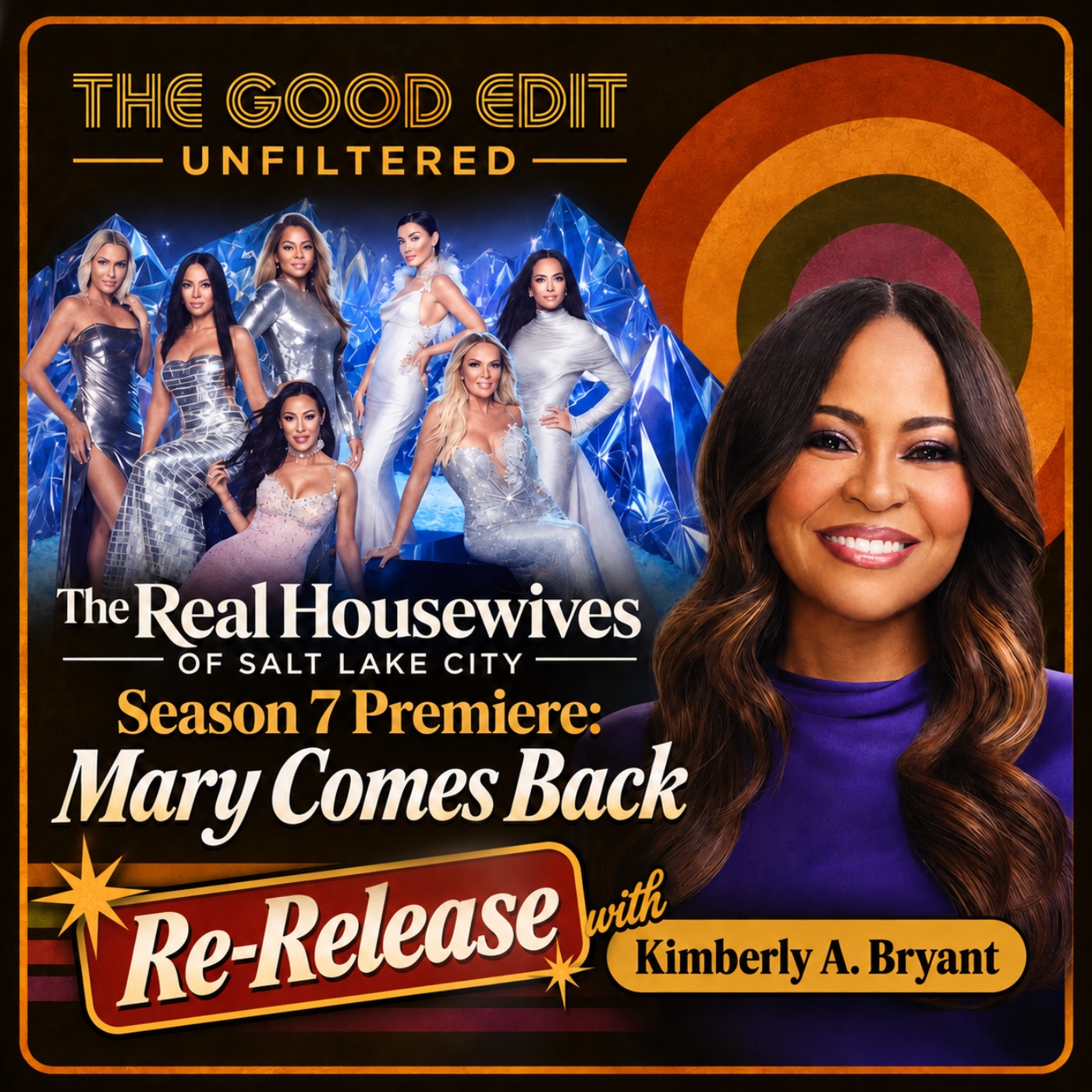
To unpack these psychological layers further and hear a behavioral analyst break down every scene with nuance and context, Listen to the full episode of The Good Edit Unfiltered. Join Elle Schwartz as she separates what production chose to show from what actually happened behind the scenes.
Frequently Asked Questions
What did John Barlow admit to on the RHOSLC Season 7 premiere?
John Barlow admitted that he was not a safe space for Lisa Barlow during the previous year, confessed to being in a dark place, acknowledged he struggles to name his own emotional needs, and admitted to feeling jealous of Lisa's successful year.
Why is John Barlow's confession considered unusual for reality TV?
Most reality TV husbands tend to lean into defensive postures, comedic relief, or conflict when facing marital strain. John's raw, unprompted accountability and admission of personal jealousy broke the standard Bravo archetype.
How does behavioral analysis apply to reality television editing?
Behavioral analysis looks past the manufactured narrative and sequential cuts made by production to examine the genuine human reactions, emotional coping mechanisms, and psychological undercurrents displayed by the cast members.
Where can I listen to the complete breakdown of the RHOSLC Season 7 premiere?
You can listen to the full deep-dive analysis by checking out The Good Edit Unfiltered podcast episode covering the Season 7 premiere.