Navigating Parasocial Relationships: When Fan Criticism Crosses the Line for Reality Stars
Parasocial Relationships Reality TV Criticism | This post explores the delicate balance between fan engagement and online harassment in reality television, focusing on how parasocial relationships can negatively impact cast members. We'll delve into the psychology behind excessive fan criticism, examine real-world examples from shows like 'In the City,' and offer insights into why empathy is crucial when engaging with reality TV personalities.
Key Takeaways
- The lines between fan engagement and online harassment are increasingly blurred for reality TV stars.
- Parasocial relationships can lead to unrealistic expectations and intense criticism of cast members.
- Empathy is vital when engaging with reality stars, recognizing they are real people with real feelings.
- Andrea Denver's defense of Lexi highlights the personal toll online scrutiny can take.
- Understanding production's role and the curated nature of reality TV can foster more balanced fan perspectives.
The Unseen Impact of Online Scrutiny
Reality television offers a unique window into the lives of its cast members, fostering a sense of intimacy and connection with viewers. This intimacy, however, can breed what psychologists call parasocial relationships – one-sided connections where viewers feel they know and understand the personality intimately, despite the lack of reciprocal interaction. While often harmless, these relationships can morph into something darker when viewers feel entitled to dictate a star's behavior, choices, or even their emotional well-being. The podcast episode 'Andrea & Lexi Claps Back' touches upon this phenomenon, using Andrea Denver's public defense of Lexi as a prime example of a cast member pushing back against relentless, often cruel, online criticism. This isn't just about a disagreement over a storyline; it's about the tangible emotional toll that constant judgment and hate can inflict on individuals who are, after all, human beings navigating public life under a microscope.
When Fandom Becomes Cruelty
The hosts of The Good Edit Unfiltered often highlight how editing can shape narratives, creating heroes and villains for dramatic effect. This manufactured reality is then consumed by an audience, some of whom forget that the characters on screen are portrayed by real people. The lines blur, and viewers begin to feel personally invested, leading to intense emotional reactions to perceived slights or missteps by the cast. Andrea Denver's strong reaction to criticism directed at Lexi underscores this point. It suggests that the online vitriol had reached a level that felt not only unfair but personally damaging, prompting a public defense. This defense is a signal that the criticism had moved beyond constructive feedback or even passionate discussion into the realm of personal attacks, fueled by the distorted lens of parasocial dynamics. It begs the question: where does passionate fan engagement end and outright bullying begin?
The Psychology Behind the Hate
Understanding why fans cross the line requires looking at psychological factors. One significant element is the concept of projection, where individuals may project their own insecurities or frustrations onto public figures. Another is the diffusion of responsibility; in large online communities, individuals might feel less accountable for their actions, emboldened by the anonymity or collective nature of online discourse. Furthermore, the constant exposure to heightened drama on reality TV can desensitize viewers, making them less attuned to the real-world consequences of their words. When a viewer feels a deep, albeit one-sided, connection to a reality star, they might also feel a sense of ownership or a misplaced sense of responsibility for that star's life and decisions. This perceived ownership can lead to outrage when the star doesn't behave in a way that aligns with the viewer's expectations or desires, ultimately fueling the cycle of criticism.
Protecting Reality Stars from Online Abuse
The podcast emphasizes that reality stars, despite their participation in a sometimes messy and dramatic genre, deserve a baseline level of respect and protection from abuse. Andrea Denver's response is a powerful reminder that these individuals are navigating complex personal lives while also being subjected to constant public scrutiny. The show's hosts, Elle and Kat, advocate for a more empathetic approach from viewers. This doesn't mean excusing bad behavior, but rather understanding that reality TV presents a curated version of life, often amplified and manipulated for entertainment. It means recognizing that behind the confessionals and dramatic confrontations are real people with real emotions, who can be deeply affected by the barrage of comments, DMs, and public critiques they receive daily. This calls for a collective shift in how we engage with reality television – moving from a place of judgment to one of more informed and compassionate observation.
Fostering Empathy in Reality TV Fandom
To foster greater empathy, viewers can start by acknowledging the constructed nature of reality television. The edit is never accidental, as The Good Edit Unfiltered often states. Storylines are crafted, moments are selectively chosen, and the final product is a narrative designed to entertain, not necessarily to reflect absolute truth. By remembering this, viewers can detach their personal feelings from the on-screen personas. Secondly, practicing active listening and critical thinking when consuming content can help. Instead of reacting impulsively to every dramatic moment, consider the context, the potential motivations of the cast members, and the way the story is being presented. When criticism is warranted, it should be constructive and respectful, focusing on actions rather than resorting to personal attacks or broad-brush condemnations. The goal is to appreciate the entertainment value without contributing to a toxic online environment that harms the people who provide that entertainment.
The Role of Cast Members in Setting Boundaries
While the onus is largely on viewers to change their behavior, cast members also play a role in managing their online presence and setting boundaries. Andrea Denver's public defense is an example of setting a boundary. However, this can be a difficult and emotionally taxing process. For many, the desire for continued opportunities on Bravo means a careful calibration of how much they push back against criticism. Some may choose to disengage from social media altogether, while others develop thicker skins or create private communities where they can find support. The podcast implicitly supports these efforts, highlighting the importance of solidarity among cast members and the value of public figures speaking out against unfair treatment. Ultimately, creating a healthier environment requires a multi-pronged approach involving greater viewer accountability, conscious production practices, and empowered cast members who can advocate for themselves.
Conclusion and Next Steps
The discussion on parasocial relationships and online criticism, as highlighted in the 'Andrea & Lexi Claps Back' episode, is a crucial one for anyone invested in reality television. It serves as a powerful reminder that behind every dramatic moment is a person who can be deeply affected by the words and opinions of millions. By cultivating empathy, understanding the nature of reality TV production, and engaging more thoughtfully, we can contribute to a more positive and less toxic online space for everyone involved. The hosts of The Good Edit Unfiltered consistently provide nuanced perspectives that go beyond surface-level recaps, offering valuable insights into the human element of reality TV. Listen to the full episode for a deeper dive into these dynamics and more hot takes from Elle and Kat.
Frequently Asked Questions
What is a parasocial relationship in reality TV?
A parasocial relationship in reality TV occurs when a viewer develops a one-sided sense of intimacy and connection with a cast member, feeling as though they know them personally despite no real-life interaction. This can lead viewers to feel entitled to judge or dictate the cast member's behavior.
How can I avoid contributing to online harassment as a reality TV fan?
To avoid contributing to online harassment, focus on engaging with shows constructively. Remember that cast members are real people, separate their on-screen persona from their private life, avoid personal attacks, and consider whether your comments are adding value or simply perpetuating negativity. Practicing empathy goes a long way.
Why is empathy important when discussing reality stars?
Empathy is important because reality stars are human beings who experience real emotions and consequences from public scrutiny. While their profession involves public exposure, it does not negate their right to be treated with a basic level of respect and to be free from abusive online behavior fueled by exaggerated on-screen narratives.
What does it mean to engage with reality TV with context?
Engaging with reality TV with context means understanding that the shows are heavily edited and produced to create compelling narratives. It involves recognizing that what is presented is not always the full or unfiltered truth and considering the potential impact of production decisions on storylines and cast member portrayals before forming strong judgments.
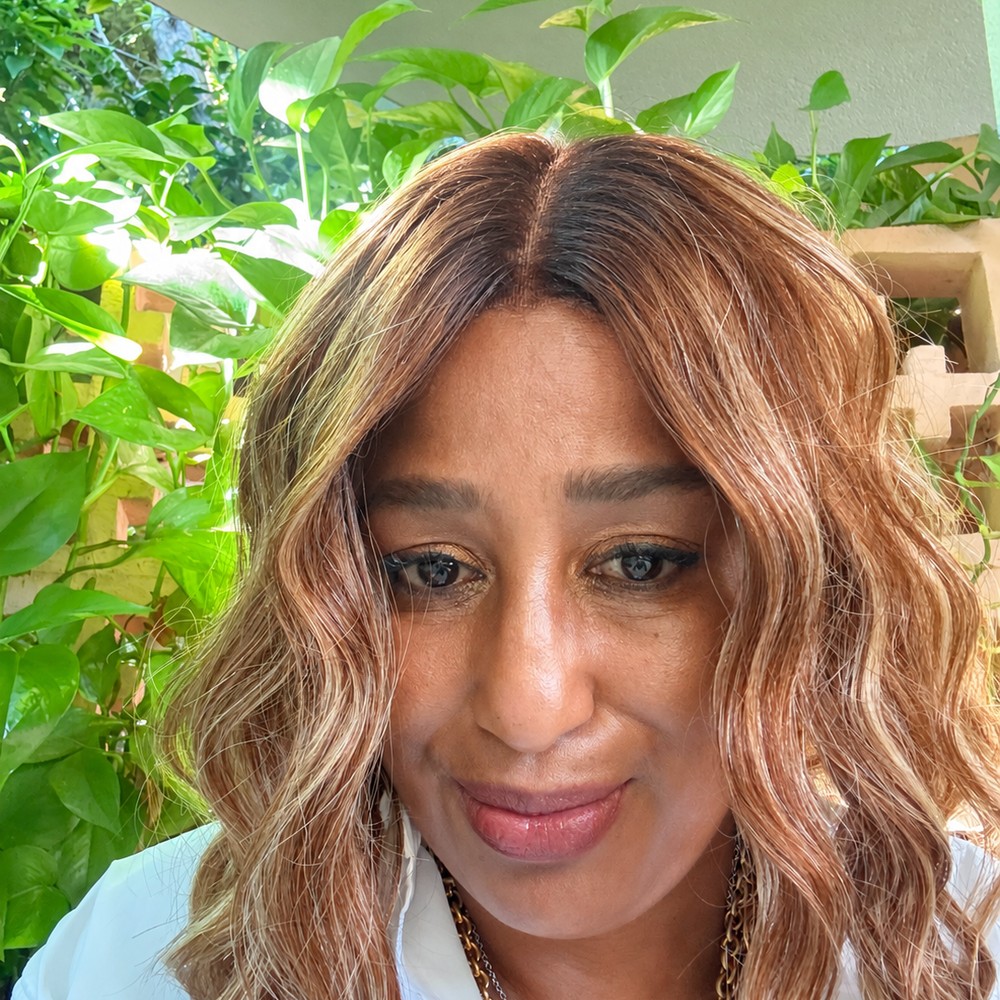
Creator | Host | Co-Executive Producer
Kat Vasseghi is a Bravo Commentator and the co-creator and co-host of The Good Edit w/ Elle & Kat, a culture-forward podcast where reality TV meets psychology, sociology, and sharp analysis. Previously known for her brand BravoRecs, Kat brings years of fluency in the Bravo universe its personalities, storylines, and fandoms paired with quick wit and a fan's instinct for the moments that matter. As a Bravo Commentator, she turns each recap into something sharper and more revealing than the average reaction show.
Known for her humor and culturally fluent takes, Kat reads the Bravo universe through the lens of the fans who live in it, catching the shifts and subtext other recaps miss. Alongside co-host Elle Schwartz, she co-created The Good Edit w/ Elle & Kat, blending cultural fluency, sharp humor, and elevated Bravo commentary into one of the most refreshing new voices in the reality TV podcast space.