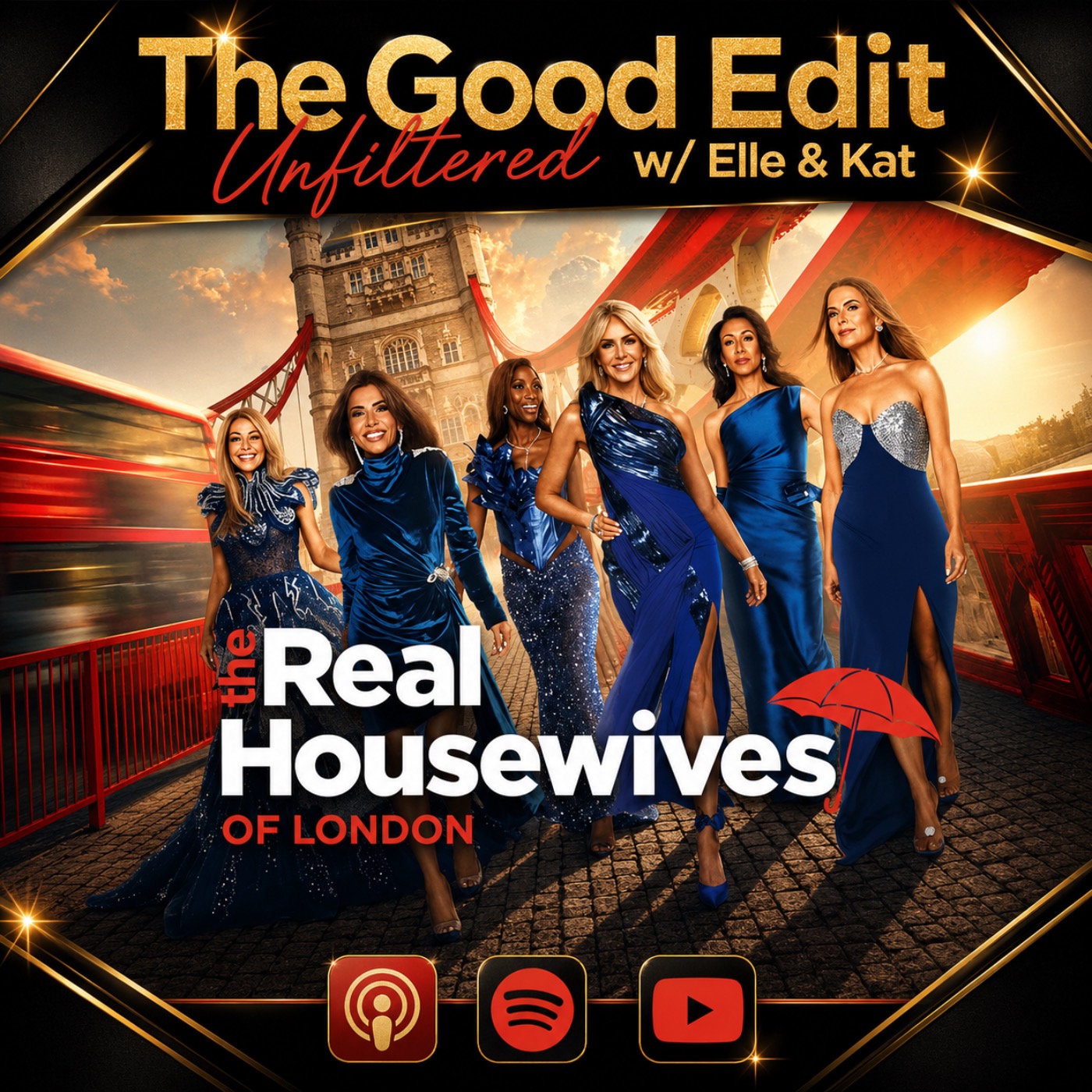
Pedigree vs. Hustle: The Real Class Divide on The Real Housewives of London
When examining reality television wealth, viewers often focus purely on net worth. However, on The Real Housewives of London, the real conflict stems from the invisible line separating generational pedigree from self-made hustle. Through the lenses of Amanda Cronin and Panthea Parker, the franchise exposes how production manipulates these contrasting access points to manufacture class warfare.
Key Takeaways
- Pedigree and hustle represent the underlying ideological battleground across the Real Housewives of London franchise.
- Production strategically pairs cast members to highlight unspoken class divides disguised as interpersonal drama.
- Vintage luxury items like Nessie Welschinger's Hermès and Rolex pieces signal enduring time rather than flashy current spend.
- Class markers in British reality television operate differently than American iterations, heavily favoring institutional history.
- To hear the full breakdown of how these class dynamics play out, check out the episode page.
The Anatomy of Wealth: Pedigree Versus Hustle
Reality television has long been fascinated by how women acquire and display their fortunes. Yet, the debut season of The Real Housewives of London introduces a distinct British flavor to the age-old debate of old money versus new. When observing Amanda Cronin and her positioning within the group, her lifestyle and access points are frequently filtered through a lens of established pedigree. Her wealth, and the way she moves through elite social circles, is granted a certain intrinsic validation by the ensemble.
Conversely, self-made success or wealth acquired through modern hustle is often subjected to harsher scrutiny. This double standard forms the bedrock of the season's early dramatic arcs. The show does not merely chronicle lifestyle porn; it meticulously constructs a class story. By utilizing specific cast members to deliver loaded critiques about status, production highlights a cultural anxiety surrounding who truly belongs in these rarefied spaces.
Production Packaging and the Villain Edit
To successfully build a compelling antagonist without alienating the audience completely, reality TV editors rely on a tried-and-true formula. They deliver a low blow, followed immediately by a sympathetic origin story. This dual-register approach is precisely how the narrative surrounding Panthea Parker is structured across Episodes 3 and 4. By juxtaposing aggressive status attacks with deeply vulnerable family moments—such as her poignant scenes with her mother—producers invite viewers to psychoanalyze rather than simply dismiss the behavior.
However, this structural balancing act ultimately backfires when it collides with real historical context. When a cast member attacks another's social standing or history, the impact is magnified by the specific cultural backdrop of the city they inhabit. The distance between an antagonist's calculated jab and a deeply rooted community history becomes the true battleground of the season.
Nessie Welschinger and the Signaling of Vintage Time
An intriguing counter-position within the London ensemble is occupied by Nessie Welschinger. While other cast members may lean into overt displays of contemporary affluence, Nessie’s aesthetic relies heavily on vintage markers—classic cars, vintage Hermès bags, and aged Rolex timepieces. In the ecosystem of luxury signaling, vintage items do not merely represent financial capital; they represent time.
This reliance on historical possessions rather than flashy, newly acquired status creates an impenetrable shield against certain types of social combat. It signals generational staying power and quiet luxury. For a cast member whose biography is built on rapid ascension or modern hustle, confronting someone anchored in deep-seated, time-tested luxury presents a unique psychological barrier. This dynamic explains why certain class attacks bounce off some women while landing with devastating force on others.
Class Subtext in British Versus American Franchises
American installments of the Real Housewives franchise often anchor their drama in entrepreneurial feuds, legal scandals, or lifestyle brand launches. Think of Bethenny Frankel's Skinnygirl empire or the endless hustle of the Atlanta and Potomac housewives. In contrast, British society carries an inescapable, historical preoccupation with class, breeding, and institutional lineage.
When the London cast interacts, every conversation about real estate, social circles, and personal history is laced with unspoken signifiers. Viewers are treated to a masterclass in behavioral psychology where volume is less important than origin. Juliet Mayhew’s vocal delivery, for instance, operates under a completely different motivational framework than someone like Dorit Kemsley from Beverly Hills. Understanding these subtle cultural nuances requires peeling back the glossy production gloss to see the structural machinery at work.
Conclusion
The Real Housewives of London proves that reality television can be a fascinating sociological experiment when examined beyond the surface-level arguments. By decoding the hidden language of pedigree, vintage luxury goods, and production-driven conflict engines, we gain a much clearer picture of why certain feuds resonate so deeply.
To dive even deeper into these class dynamics, character breakdowns, and behind-the-scenes editing tactics, make sure to visit and Listen to the full episode. Join Elle and Kat as they unpack every layer of the drama, offering the smartest unscripted commentary on the web!
Frequently Asked Questions
How do British Real Housewives franchises differ from American ones in terms of class?
While American franchises frequently celebrate entrepreneurial hustle and newly acquired fortunes, British iterations like The Real Housewives of London lean heavily into historical pedigree, social lineage, and subtle markers of generational status.
What role do vintage luxury items play in cast dynamics?
Vintage luxury pieces—such as classic cars, aged Rolex watches, and vintage Hermès bags—signal enduring time and established permanence rather than mere current spending power, making them a powerful form of non-verbal social positioning.
How do reality TV editors construct a complex villain?
Editors typically use a dual-register approach: pairing aggressive antagonist behavior or low blows with deeply sympathetic origin stories or vulnerable family scenes to keep the audience emotionally invested rather than entirely dismissive.
Why is the distinction between pedigree and hustle important to the narrative?
Production uses this underlying tension to manufacture class warfare, shaping how viewers perceive the legitimacy of a cast member's wealth and their right to occupy space within the elite ensemble.