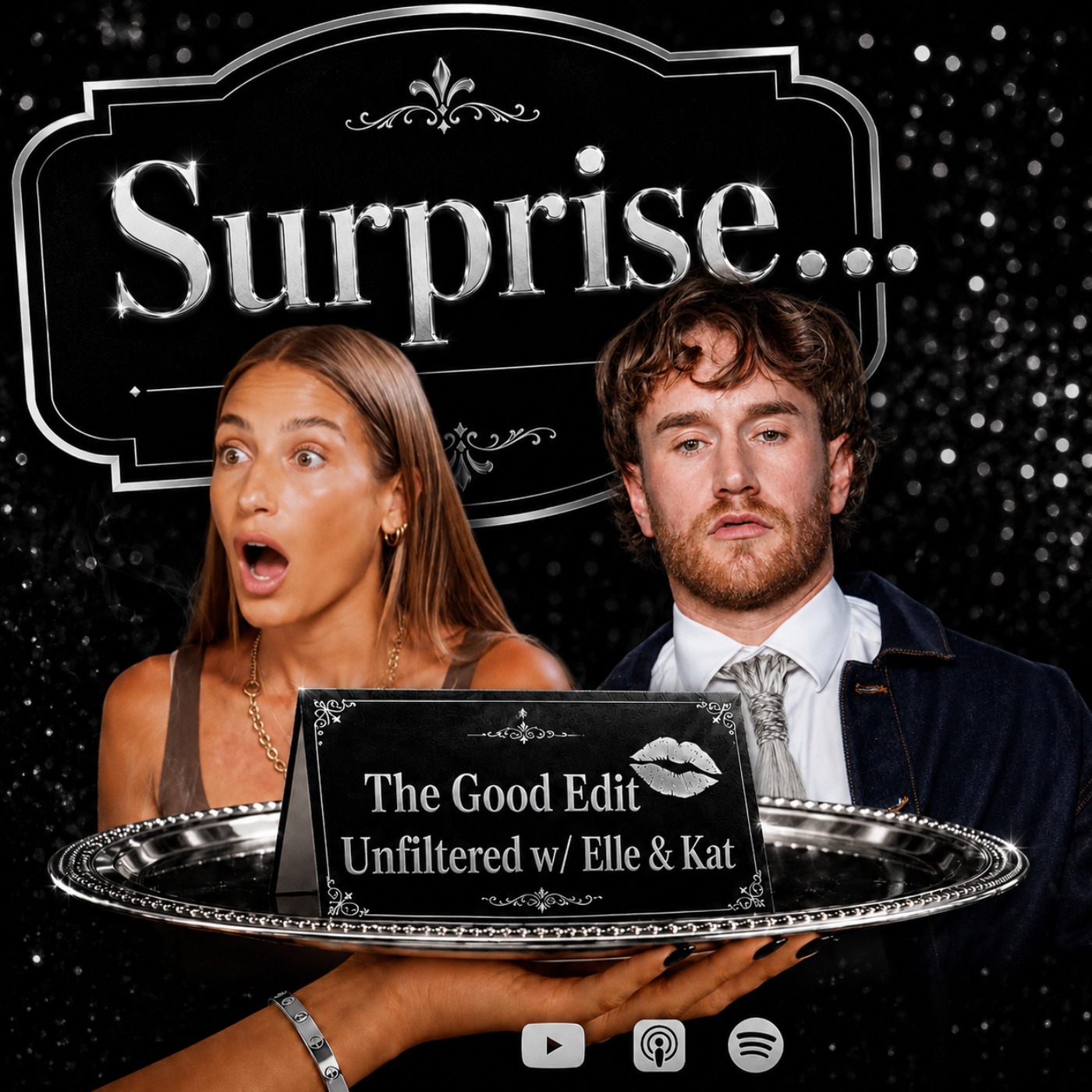
When 'The Good Edit Unfiltered' Unpacks 'Performative Reality TV': The Case of West Cheating on Amanda
Performative Reality TV | On 'The Good Edit Unfiltered,' Elle and Kat expose the subtle art of 'performative reality TV.' This episode dissects how seemingly genuine moments, like the alleged infidelity of West towards Amanda, can be amplified or manipulated for the cameras, blurring the lines between real conflict and staged drama.
Key Takeaways
- 'Performative reality TV' involves exaggerated emotional displays and manufactured conflicts that prioritize on-screen spectacle over genuine human interaction.
- The narrative around West's alleged cheating on Amanda serves as a lens to examine how Bravo producers might shape storylines through editing and casting choices.
- Genuine cast dynamics and organic drama are crucial for long-term viewer engagement, as opposed to reliance on contrived situations.
- The podcast explores how a focus on 'performative reality TV' can lead to audience skepticism and a disconnect from the portrayed relationships.
- 'The Good Edit Unfiltered' champions the value of authentic storytelling, even within the heavily produced world of reality television.
The Performative Aspects of Alleged Infidelity Narratives
In the recent episode of 'The Good Edit Unfiltered,' Elle Schwartz and Kat Vasseghi dove deep into the intricate world of 'performative reality TV,' using the alleged infidelity of West towards Amanda as a compelling case study. The hosts skillfully navigate the delicate balance producers walk, where real-life events are often amplified, twisted, or strategically edited to create maximum dramatic impact. This isn't merely about reporting on a scandal; it's about deconstructing how such narratives are constructed and presented to the audience. The very act of filming and broadcasting a personal betrayal can transform it into a performance, where participants might be subconsciously (or consciously) aware of the cameras and alter their reactions, words, or behaviors to fit a desired narrative arc. Elle and Kat highlight how this manufactured element can dilute the raw emotion that audiences initially seek, replacing genuine vulnerability with calculated displays.
The podcast specifically questions whether the narrative surrounding West's alleged actions is a pure reflection of reality or a product of careful production. They emphasize that in the realm of 'performative reality TV,' even genuine moments of distress or anger can be framed in a way that serves the storyline. This often involves selective editing, the strategic placement of confessionals, and the amplification of certain reactions over others. The hosts suggest that for shows like those on Bravo, where interpersonal drama is the primary currency, the temptation to lean into these performative aspects is immense. However, they also caution that an over-reliance on such tactics can lead to viewer fatigue. When the audience begins to suspect that the drama is being manufactured, their emotional investment wanes, and the perceived authenticity of the show erodes. The discussion around West and Amanda's situation serves as a crucial reminder that while conflict is essential to reality television, its effectiveness hinges on its perceived genuineness.
Deconstructing Production Techniques Behind Performative Drama
Elle and Kat consistently emphasize that the 'edit' is never accidental, and this principle is particularly relevant when examining 'performative reality TV.' They explore how production teams utilize a range of techniques to shape public perception, especially in sensitive storylines like infidelity. This can include meticulously crafting the timeline of events, juxtaposing unrelated scenes to imply connections that aren't there, or focusing intensely on one person's reaction while downplaying another's. In the context of West cheating on Amanda, the podcast probes how subtle cues, overheard conversations, or even staged confrontations could be used to build a dramatic arc that might not entirely reflect the on-the-ground reality. The hosts pointed out that the goal is often to create clear heroes and villains, and sometimes, the truth becomes a casualty of this narrative engineering. This approach transforms personal struggles into fodder for entertainment, blurring the lines between documentary and drama.
The discussion on 'The Good Edit Unfiltered' encourages listeners to be critical consumers of reality television, to look beyond the surface-level drama and consider the underlying production strategies. By dissecting how narratives like the West and Amanda situation are presented, the podcast provides valuable insights into the mechanics of modern reality TV. They argue that shows that manage to retain a semblance of authenticity, even amidst heightened drama, are those that focus on the genuine consequences of actions and the complex, often messy, human relationships involved. The episode suggests that while 'performative reality TV' can provide immediate shock value, it is the grounded, less manufactured storylines that foster lasting viewer loyalty and a deeper connection to the cast members. The conversation serves as a reminder that even in the most dramatic situations, the human element, when allowed to breathe, is what truly captivates.
Furthermore, Elle and Kat touch upon the evolving expectations of reality TV audiences. As viewers become more sophisticated and aware of production tactics, the effectiveness of overt 'performance' diminishes. This puts pressure on shows and networks to find a more nuanced approach, one that balances manufactured excitement with relatable human experiences. The West and Amanda storyline, as analyzed on the podcast, becomes a microcosm of this broader trend, highlighting the challenges and ethical considerations involved in capturing and presenting 'real' life for entertainment. The podcast's commitment to unearthing the 'why' behind the drama, rather than just reporting the 'what,' offers a refreshing perspective for dedicated fans and industry observers alike.
Ultimately, 'The Good Edit Unfiltered' uses the specific instance of West cheating on Amanda to explore the larger phenomenon of 'performative reality TV.' It's a call to arms for viewers to question what they see and to appreciate the shows that strive for a more authentic portrayal of human behavior, even within the artificial construct of a television production. The hosts' expert analysis provides a valuable framework for understanding how narratives are built, how drama is manufactured, and why genuine connection, however imperfect, remains the holy grail of compelling reality television.
For a deeper dive into these topics and more unfiltered takes on Bravo's most talked-about moments, be sure to listen to the full episode of 'The Good Edit Unfiltered' wherever you get your podcasts.
Frequently Asked Questions
What is 'performative reality TV'?
Performative reality TV refers to instances where cast members exaggerate their reactions, emotions, or conflicts specifically for the cameras, prioritizing spectacle over genuine authenticity.
How does editing contribute to 'performative reality TV'?
Editing can amplify certain reactions, juxtapose scenes out of context, or selectively highlight dramatic moments to create a more performative narrative than what might have occurred organically.
Why is genuine conflict important in reality TV?
Genuine conflict stems from real relationships and stakes, making it more relatable and engaging for viewers in the long run, fostering deeper emotional investment.
Can a real event like infidelity become 'performative' on a reality show?
Yes, a real event can become performative when the filming and broadcasting process, coupled with producer influence, encourages participants to play up their roles or reactions for the cameras.
What distinguishes authentic reality TV from performative reality TV?
Authentic reality TV focuses on capturing genuine human interactions and consequences, while performative reality TV emphasizes exaggerated drama and staged narratives for entertainment value.
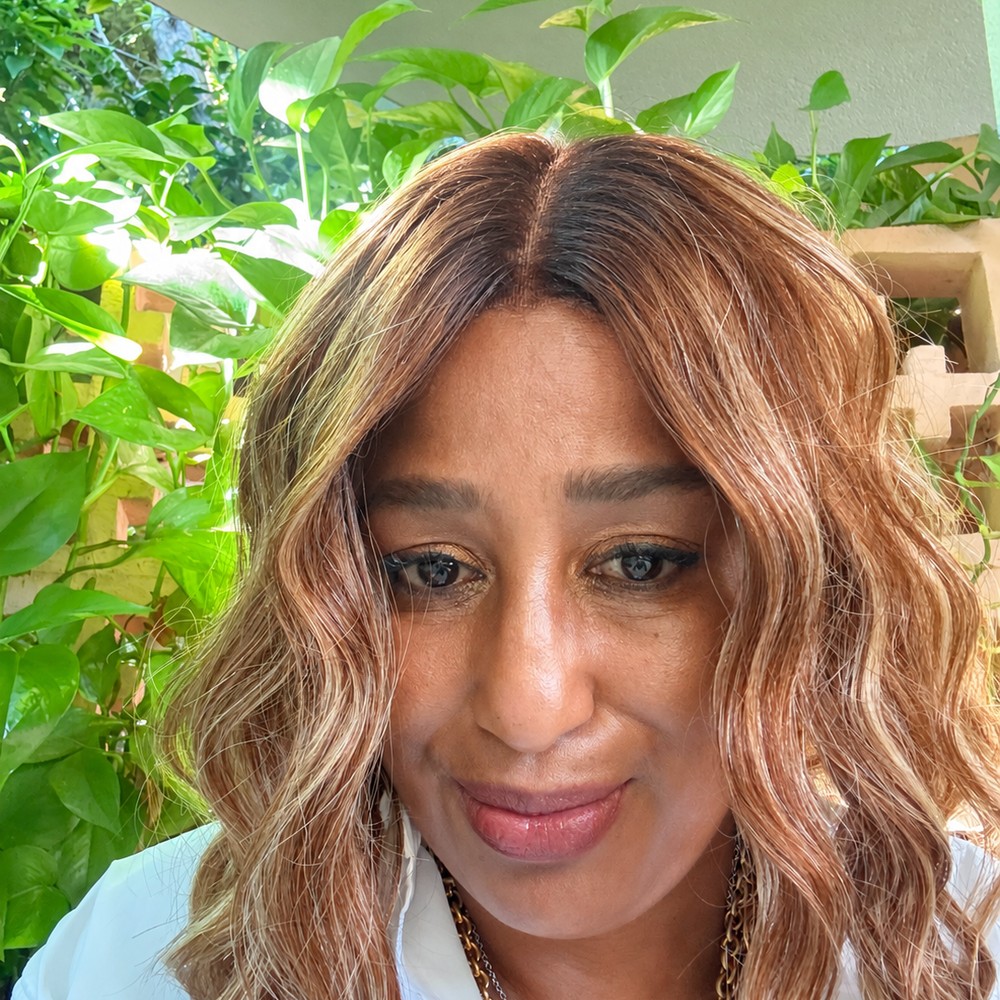
Creator | Host | Co-Executive Producer
Kat Vasseghi is a Bravo Commentator and the co-creator and co-host of The Good Edit w/ Elle & Kat, a culture-forward podcast where reality TV meets psychology, sociology, and sharp analysis. Previously known for her brand BravoRecs, Kat brings years of fluency in the Bravo universe its personalities, storylines, and fandoms paired with quick wit and a fan's instinct for the moments that matter. As a Bravo Commentator, she turns each recap into something sharper and more revealing than the average reaction show.
Known for her humor and culturally fluent takes, Kat reads the Bravo universe through the lens of the fans who live in it, catching the shifts and subtext other recaps miss. Alongside co-host Elle Schwartz, she co-created The Good Edit w/ Elle & Kat, blending cultural fluency, sharp humor, and elevated Bravo commentary into one of the most refreshing new voices in the reality TV podcast space.