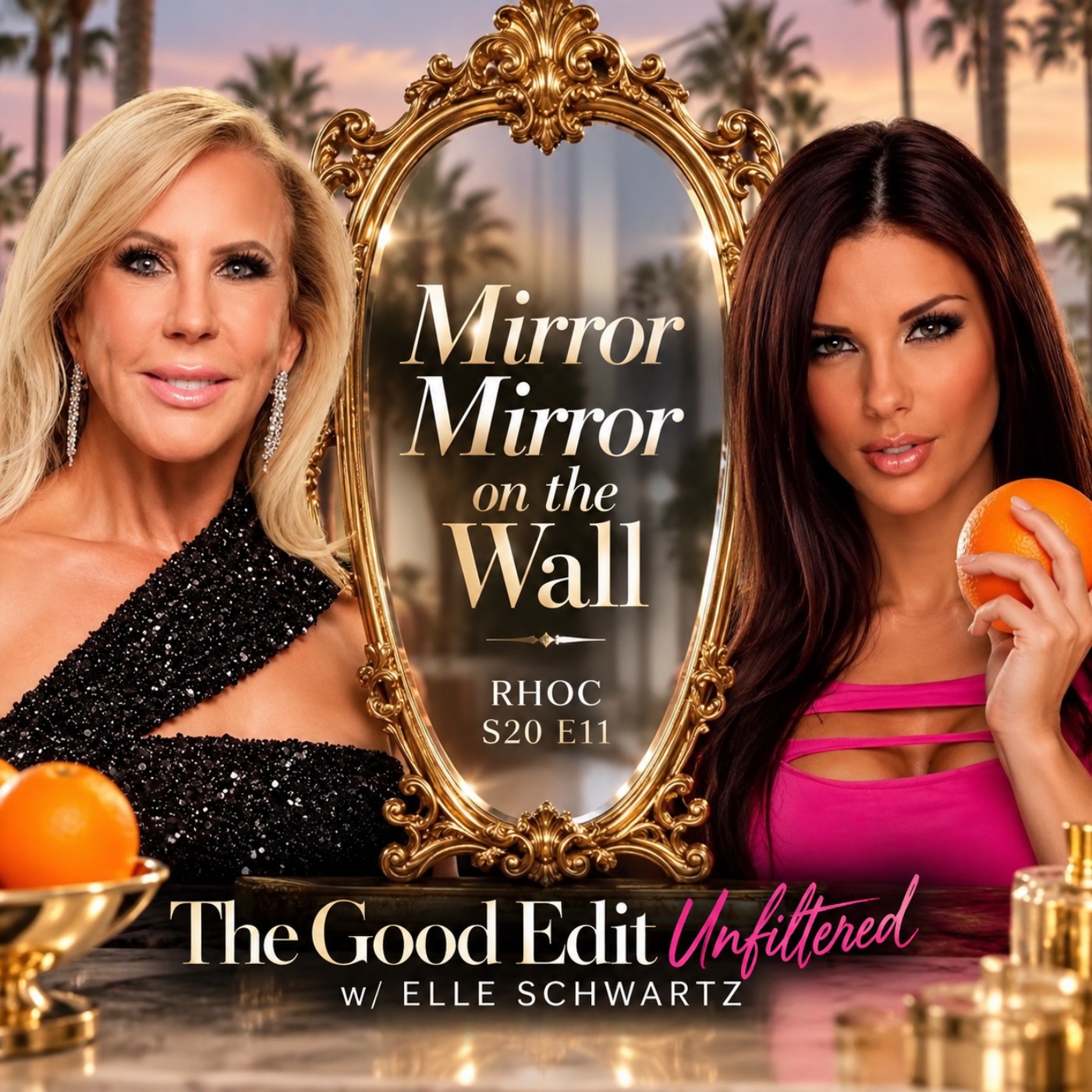
Why Reality TV Editing Makes Sunset Dinners Look Like They Take 90 Seconds
When a dramatic sunset dinner on reality television transitions from bright daylight to pitch black in what feels like two minutes, it is rarely an accident of nature. Reality TV editing manipulates time, space, and continuity to manufacture tension, compress pacing, and heighten emotional beats, turning routine meals into high-stakes theatrical sequences.
Key Takeaways
- Reality television producers routinely splice footage across different hours of production to manufacture artificial narrative tension during meal scenes.
- Lighting mismatches, disappearing drinks, and rapidly shifting background skies expose the illusion of real-time conversations on shows like RHOC.
- Behavioral analysis reveals how chopped editing cuts off authentic de-escalation, forcing viewers to misinterpret cast reactions.
- Understanding the post-production timeline helps audiences appreciate the heavy hand of the edit room over raw interpersonal conflict.
The Illusion of Real-Time Continuity in Reality TV
To the average viewer watching a cast sit down for an outdoor dinner, the scene unfolds as a continuous, uninterrupted exchange of dialogue. One person makes a cutting remark; another immediately gasps; a third fires back with a witty retort. However, behind the multi-camera setup lies a massive team of editors tasked with stitching together hours—sometimes days—of raw tape into a tight, digestible forty-four-minute narrative arc. When you watch a group of women transition from casual laughter over appetizers to screaming across a candlelit table, you are rarely watching a natural progression of human emotion.
Instead, editors use reaction shots captured hours earlier, Frankensteined audio sentences built from multiple different conversations, and aggressive color grading to smooth over glaring discontinuities. A sunset dinner that appears to take place over the span of a single martini is often the Frankenstein monster of a three-hour filming block where the cameras stopped rolling multiple times for audio checks, meal restocks, and producer interventions.
Spotting the Editing Tells in Outdoor Scenes
Once you know what to look for, the seams in these heavily edited sequences become glaringly obvious. Pay close attention to the background lighting and environmental details during a tense group confrontation:
- The Rapid Sunset Phenomenon: Characters are sitting in bright, direct afternoon sunlight during a wide shot, but in the very next close-up reaction shot, the sky is bruised purple with dusk setting in.
- The Magic Shrinking Beverage: A cast member's wine glass is completely full at the start of an argument, empty two sentences later in a reaction shot, and magically full again when the wide-angle camera returns.
- Micro-Climate Costume Changes: Subtle shifts in wind direction, hair placement, or napkin folding between cuts indicate that hours have passed and hair-and-makeup teams have stepped in to touch up the talent.
How Chopped Editing Distortion Impacts Cast Perception
Beyond the technical sleight-of-hand, aggressive time compression has a profound psychological impact on how the audience perceives the cast members. As a behavioral analyst evaluating these television constructs notes, human beings naturally seek patterns and logic in interpersonal conflict. When an editor cuts out the long stretches of boring silence, the mundane apologies, and the natural cooling-off periods that occur during a real dinner party, the remaining snippets of dialogue feel hyper-concentrated and aggressive.
Imagine having a tense conversation over a three-hour dinner where you spend two and a half hours laughing, eating, and finding common ground, followed by thirty minutes of genuine disagreement. If an editor decides to leave out the positive framing and compress the thirty minutes of tension into a relentless, ninety-second rapid-fire montage, your entire demeanor changes in the eyes of the viewer. You no longer look like a person navigating a complex social dynamic; you look like an unhinged antagonist spoiling a group trip.
The Weaponization of Out-of-Context Reaction Shots
One of the most powerful tools in the reality TV editing playbook is the reactionary insert. A cast member might be sitting quietly, looking bored or deep in thought while listening to a boring story about real estate. Producers will take that exact facial expression—complete with a heavy sigh or a side-eye—and drop it directly into the middle of someone else's emotional confession or dramatic accusation.
To the audience, it appears as though the cast member is rolling their eyes, showing blatant disrespect, or acting maliciously. In reality, that eye-roll happened two hours prior when someone dropped a plate. This manipulation completely alters the psychological read of the scene, turning bystanders into active participants in the drama and creating invisible fault lines within the group.
Conclusion: Watching Reality TV Through an Analytical Lens
Reality television is an art form built on illusion. While the emotions felt by the cast members are frequently real, the container in which those emotions are delivered to our living rooms is manufactured from the ground up by veteran editors and showrunners. By learning to spot the edits—from the impossible two-minute sunset to the magically refilling wine glass—we can step back from the manufactured outrage and appreciate the complex human dynamics playing out behind the filters.
For a full, scene-by-scene behavioral breakdown of how editing shapes group trips, vacation drama, and interpersonal fallout, check out the complete audio episode. Listen to the full episode and join the Edittors community to uncover what really happened when the cameras stopped rolling.
Frequently Asked Questions
Why does the lighting change so fast during reality TV dinner scenes?
Reality TV dinner scenes are heavily chopped and re-sequenced in post-production to maximize drama. Editors stitch together snippets of conversation filmed across hours of production, resulting in jarring shifts in natural daylight and sunset lighting between camera angles.
How do reality TV editors use reaction shots to alter a storyline?
Editors routinely take facial expressions, eye-rolls, and sighs captured at completely different times and insert them into active arguments. This trick creates the false impression that a cast member is reacting dismissively or maliciously to someone else's emotional moment.
Why is it important to analyze reality television through a behavioral lens?
Applying behavioral analysis helps viewers separate authentic human reactions from producer-driven manipulation. It allows audiences to understand the true psychological context behind why cast members snap, withdraw, or defend themselves under artificial conditions.
What is the Edittors community?
The Edittors is the dedicated listener community for The Good Edit Unfiltered podcast, bringing together fans who enjoy analyzing the production mechanics, editing tricks, and behavioral nuances of their favorite reality shows.