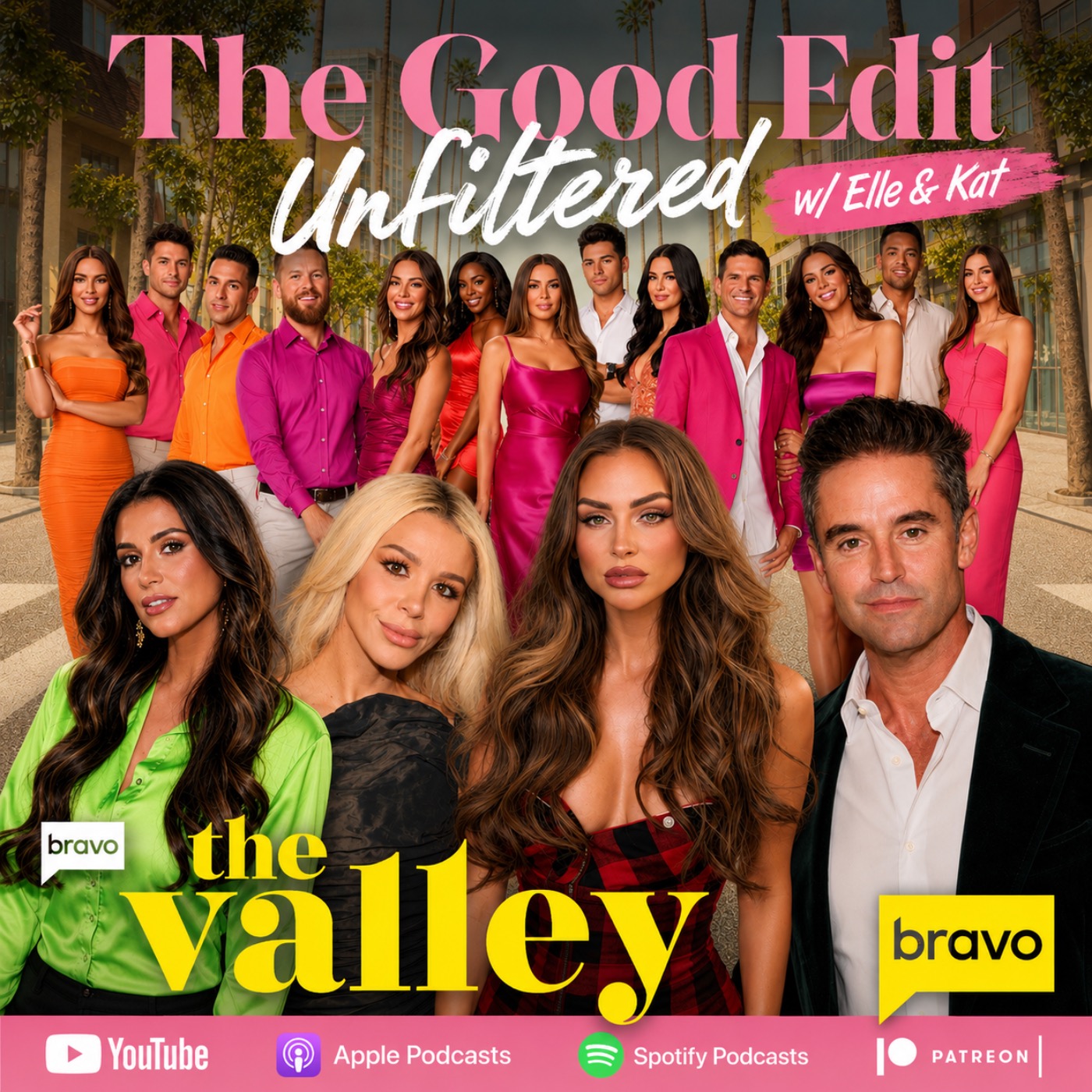
Why Reality TV Production Editing Creates the Ultimate Bravo Doom Loop
When reality TV franchises hit a wall, viewers often blame the cast, but the real culprit is usually the editing room. Analyzing how production shapes our perception of marital stress, relationship milestones, and organic friend groups reveals why certain Bravo shows trap themselves in repetitive, manufactured conflict loops season after season.
Key Takeaways
- Reality TV production editing heavily influences audience sympathy by selectively withholding critical context in interpersonal feedback loops.
- Shows that rely on a cast with pre-existing, decade-long friendships quickly exhaust their finite supply of organic history.
- Stretching a single minor argument across two full seasons starves the audience of narrative progression.
- When cast interior lives lack natural dynamism, production resorts to manufacturing heavy-handed conflict to fill the pacing gap.
- Understanding the mechanics of a franchise doom loop helps viewers decode the invisible hand of reality TV producers.
The Illusion of the Edit: How Production Shapes Relationship Sympathy
One of the most fascinating phenomena in modern reality television is how an edit can completely distort the emotional reality of a relationship. When couples sit down with therapists or attempt to navigate heavy conversations on camera, viewers are rarely shown the complete feedback loop. Instead, production selectively curates moments to manufacture a clear hero and a clear villain.
Consider how anxiety breakthroughs and cold feet are framed within a single episode. If a cast member expresses profound self-awareness about physical manifestations of stress, but their partner is edited into stony silence, the immediate viewer reaction is to condemn the partner. However, stepping back to analyze the production mechanics reveals a different story: the footage we never see often holds the key to why a partner pulls away. By only airing one half of an interpersonal dynamic, the editing team dictates who deserves our empathy, effectively steering public opinion before social media even has a chance to weigh in.
Finite Friendships and the Exhausted Fuel Tank
A major structural flaw in modern ensemble reality shows is the heavy reliance on pre-existing friend groups. Shows that cast a tight-knit circle of people who have known each other for a decade benefit immensely in their debut season. The history is real, the grudges have actual stakes, and the emotional investment from the audience is instantaneous.
The danger, however, is that this friendship fuel tank is strictly finite. Once you burn through ten years of pre-existing grievances, unspoken tensions, and foundational history in the first two seasons, what is left? Producers are then forced to manufacture new dynamics out of thin air. When the organic history runs dry, the foundational premise of the show begins to wobble, setting the stage for forced interactions and stale storylines.
Riding a Single Conflict Into the Ground
Another major symptom of a franchise entering a doom loop is the obsession with stretching a single conflict across multiple seasons. When a production team finds a polarizing storyline or an isolated group fracture, they tend to ride it far past its expiration date. They return to the same well of drama repeatedly because it provides safe, reliable content.
The fatal flaw in this strategy is that audiences metabolize fights much faster than networks realize. What felt fresh and explosive in season one becomes exhausting and repetitive by season three. When viewers are forced to sit through another round of the exact same argument, disengagement sets in. Instead of allowing natural conflicts to resolve and new storylines to emerge, production doubles down on the past, choking out any room for organic growth.
Manufacturing Drama When Interior Lives Fall Flat
Ultimately, a reality show is only as compelling as the actual lives of the people on screen. When a cast's interior lives lack the inherent dynamism required to fill a twenty-episode season, a creative crisis occurs. Major milestones like a divorce filing, a fertility decision, a vasectomy, or a heavy therapy session are deeply personal and emotionally taxing for the participants, but they do not always translate into fast-paced weekly entertainment.
To compensate for this narrative deficit, production steps in with heavy-handed producing tactics. They lean heavily on manufactured events, forced group gatherings designed specifically for screaming matches, and exaggerated framing. Put together the exhaustion of organic friendships, the over-extension of stale conflicts, and the reliance on forced drama to cover for quiet interior lives, and you get the classic doom loop of a reality television franchise gone wrong.
Conclusion
Recognizing the invisible hand of reality TV editors changes the way we consume our favorite Bravo shows. By looking past the manufactured drama and examining the structural constraints of production, we can appreciate the human reality behind the produced chaos. For a deeper breakdown of these editing strategies and a full analysis of the season's turning points, make sure to Listen to the full episode of The Good Edit Unfiltered.
Frequently Asked Questions
How does reality TV production shape viewer sympathy?
Production shapes sympathy by selectively editing interpersonal feedback loops, often showing only one partner's reaction or withholding crucial context that explains behavioral patterns.
Why do reality shows struggle with multi-season friend groups?
Shows featuring pre-existing friend groups burn through their finite supply of organic history and shared grievances very quickly, leaving producers scrambling for new material in later seasons.
What is a reality TV franchise doom loop?
A doom loop occurs when a show relies on exhausted conflicts, manufactured drama to fill dull interior lives, and repetitive group dynamics that ultimately alienate the audience.
Why do producers stretch a single conflict across multiple seasons?
Producers lean on familiar, polarizing fights because they are a reliable source of content, even though audiences process and tire of these arguments much faster than networks anticipate.