Why RHOA Conflict Cycles Are Stalling Fan Engagement
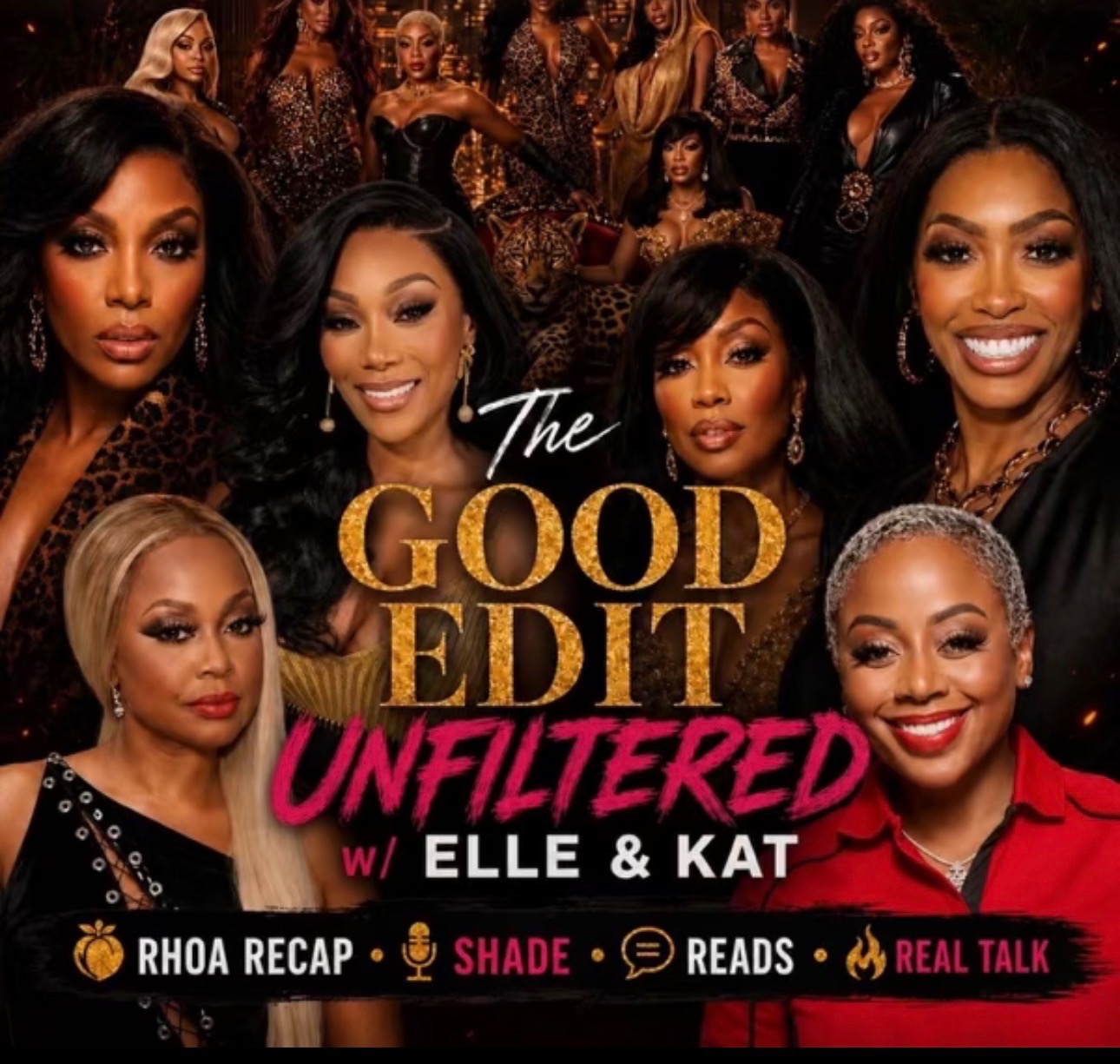
RHOA conflict cycles | Long-running reality franchises often fall into a trap of repetitive, low-stakes conflict that alienates long-term viewers. By examining the current stagnation in The Real Housewives of Atlanta, we can identify how manufactured arguments between cast members like Shamea Morton and K. Michelle disrupt narrative flow and erode audience trust. This analysis explores why viewers are demanding deeper, more authentic storytelling over cyclical petty grievances.
Key Takeaways
- Constant, recurring conflict without resolution leads to viewer fatigue and disengagement.
- Modern Bravo audiences prioritize authentic vulnerability over clearly produced, superficial drama.
- The shift from organic friction to forced plot points creates a disconnect between the cast and the audience.
- Successful reality arcs require emotional stakes, not just repetitive social media call-outs.
The Problem With Cyclical Conflict
In the world of The Real Housewives, tension is the lifeblood of the show. However, there is a distinct difference between organic friction—born of history and genuine personality clashes—and the cyclical, repetitive conflict that has plagued recent seasons of The Real Housewives of Atlanta. When an audience watches a group of women go in circles over the same petty slights for several episodes, the investment in those relationships begins to wane. Fans are no longer watching for the evolution of a character; they are watching for the next inevitable, predictable blowout.
Manufactured vs. Authentic Drama
The core issue highlighted in current Bravo discourse is the transition toward hyper-produced sequences. When conflicts are sparked by off-camera whispers or social media interactions that feel disconnected from the actual shared living space of the cast, the viewers lose their grounding. Authentic drama—the kind that built the foundation of the genre—emerged from high-stakes moments where the cast's lives actually overlapped. Today, we see conflicts that feel like they are being edited for clips rather than for cohesive, long-form narrative storytelling.
The Demand for Vulnerability
Modern reality TV fans have become significantly more sophisticated in their understanding of production and editing. They can spot a "producer-driven" scene from a mile away. Consequently, the cast members who resonate most are those who show genuine evolution. Vulnerability is the new currency of reality stardom. Whether it is navigating a difficult life transition or admitting to personal failures, the moments that stop a viewer in their tracks are those where the walls come down, not where the voices get louder.
What Audiences Want
The current appetite is for "humanity" in reality TV. When shows lean too heavily into villain edits and superficial feuds, they miss the opportunity to connect with the audience on a deeper level. We want to see how these women handle real-world challenges alongside the inevitable social pressure of the show. When a program loses its ability to showcase growth, it essentially stops being a reality show and becomes a performance, which is exactly why audiences begin to tune out.
Lessons from the Past
Looking back at the golden eras of various franchises, the most memorable conflicts were deeply tied to the personal lives of the cast. Even when the drama was explosive, it was rooted in real betrayal or genuine differences in values. When the conflict stops being about the person and starts being about the "gotcha" moment, the audience stops identifying with the participants. A, B, and C arguments are only interesting if there is a resolution or an emotional casualty; otherwise, it is just noise.
Conclusion
As we continue to dissect the patterns within shows like The Real Housewives of Atlanta, it is clear that production strategies need to evolve alongside their audience. For more insights on these structural issues and deep dives into the current state of Bravo, listen to the full episode. We break down these dynamics and much more, offering a look at why your favorite shows feel different than they did in their prime. Join us for the full conversation to stay ahead of the curve.
Frequently Asked Questions
What is cyclical conflict in reality TV?
Cyclical conflict refers to repetitive, unresolved arguments between cast members that span multiple episodes without moving the plot forward or revealing new facets of the participants' personalities.
Why do fans dislike producer-driven drama?
Fans dislike producer-driven drama because it often feels forced, artificial, and disconnected from the natural chemistry of the cast, making it harder for the viewer to emotionally invest in the outcome.
How does vulnerability change the viewing experience?
Vulnerability allows the audience to relate to cast members as human beings rather than just characters in a show, fostering long-term loyalty and emotional investment in their personal growth.
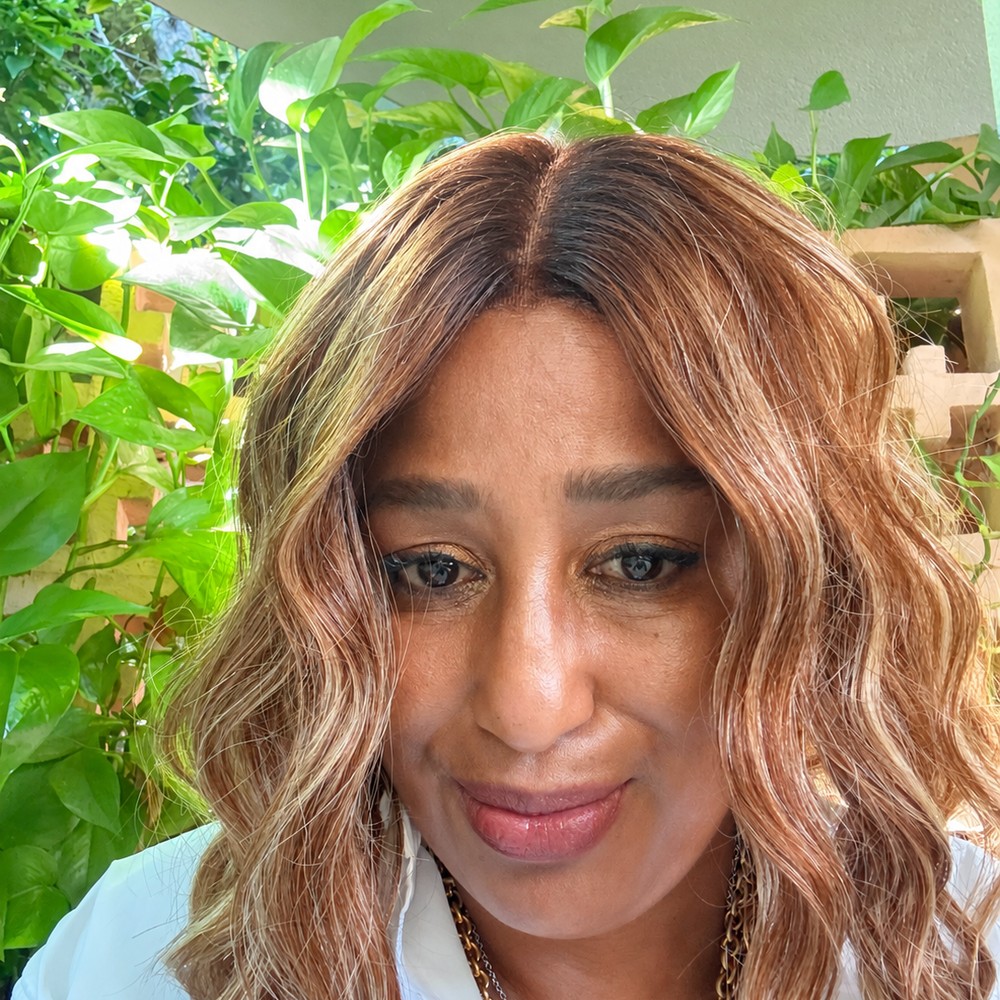
Creator | Host | Co-Executive Producer
Elle Schwartz is a behavioral analyst, writer, and the creator, host, and executive producer of The Good Edit Unfiltered, an award winning podcast that brings context to reality television. Born in Compton, California, she holds five degrees from private institutions, including the University of Southern California, and draws on her background in behavioral science to examine how production edits shape the stories audiences see on screen.
Launched in February 2026, The Good Edit Unfiltered covers The Real Housewives franchises, Vanderpump Rules, Summer House, The Valley, and Married at First Sight.
The show is produced under Layered Media Inc. and Rude Mood Media, with Schwartz serving as executive producer alongside Ric Swartzlander. Its signature series, the Reality TV Cultural Reckoning, and its Grammar of Conflict framework explore how race, culture, and casting influence the way reality stars are portrayed.
In its first year, the podcast won three 2026 Black Podcasting Awards (Best Producer, Best Daily Podcast, and Original Music) and multiple 2026 Davey Awards, including Gold for the Reality TV Cultural Reckoning series. It ranks number 1 all time in Indie Real Housewives on Goodpods.
Schwartz is a member of the Television Critics Association and a founding member and judge of the Open Podcast Awards. She is also a credited co writer on Kyla & the White Guy, a scripted comedy series optioned by Roku. She lives in Encino, California.
Short bio (for spots with tight character limits)
Elle Schwartz is a behavioral analyst, writer… Read More