Is Shamia's RHOA Social Media Firestorm Producer-Driven?
RHOA Feuds Real or Producer Driven | Are the explosive social media exchanges between RHOA's Shamia and Angela Oakley genuine sparks or carefully crafted pyrotechnics? This post dissects the nuanced interplay between authentic cast friction and potential production influence in the unfolding RHOA drama.
Key Takeaways
- The timing and intensity of Shamia's social media attacks on Angela suggest a possible strategic amplification by producers.
- Examining past RHOA seasons reveals patterns where off-screen beef is leveraged for on-screen narrative building, especially before reunions.
- Shamia's direct call-outs of Angela's 'history' hint at storylines that production might be eager to explore.
- The podcast hosts' questioning of the feud's authenticity highlights a common fan-and-critic concern in reality TV.
- Understanding the mechanics of reality TV production is crucial to discerning organic conflict from manufactured drama.
The Anatomy of a Bravo Online Feud
The Real Housewives franchise has long blurred the lines between authentic interpersonal conflict and strategically amplified storylines. In the case of The Real Housewives of Atlanta, the recent social media spat between Shamia and Angela Oakley has ignited conversations among fans and critics alike. The podcast episode "Shamea Angela RHOA Drama | Bravo Show Gossip Deep Dive" from The Good Edit Unfiltered podcast touches upon this very phenomenon. Hosts Elle and Kat delve into Shamia's pointed critiques of Angela's past and her tantalizing hints about an explosive reunion. This specific exchange begs the question: Is this a genuine eruption of animosity, or is it a performance orchestrated to captivate audiences and elevate viewership, particularly as the reunion approaches?
The narrative of reality television often hinges on conflict. Without it, the shows can lose their edge. Therefore, it's a constant balancing act for production teams to foster and present compelling drama. When a cast member like Shamia launches a public, pointed critique of another, especially one referencing 'history,' it’s fertile ground for speculation. Are these personal grievances being aired, or are these the carefully selected talking points that production wants the audience to focus on, thereby shaping the narrative arc of the season?
Producer Playbook or Personal Battle?
The intensity with which Shamia has engaged on social media, directly calling out Angela's past, raises flags for those familiar with reality TV production tactics. Producers often seek out and amplify existing tensions, or even subtly instigate them, to create compelling storylines. This is especially true as a season winds down and the reunion, a highly anticipated event, looms. The reunion serves as a crucial platform to tie up loose ends, address lingering conflicts, and often, to provide the definitive narrative that production has been carefully constructing throughout the season.
Shamia's remarks, as discussed on The Good Edit Unfiltered, could be interpreted as more than just a simple clap-back. When a cast member teases a 'hot reunion' and simultaneously targets another's 'history,' it suggests a pre-existing narrative that production might be keen to explore and validate. This doesn't necessarily mean the emotions aren't real, but rather that the *presentation* and *amplification* of those emotions might be guided by a producer's hand. The timing of such outbursts, often occurring in the lead-up to reunion tapings or significant episode airings, is rarely coincidental. It serves to keep the conflict top-of-mind for viewers and to ensure that the reunion discussion is already primed with audience engagement.
Social Media as a Narrative Tool
In the age of instant communication, social media has become an indispensable tool for reality television production. It’s no longer just a place for viewers to engage with cast members; it’s an extension of the show's narrative itself. Cast members can use their platforms to address perceived slights, defend their actions, or, as in Shamia's case, launch direct attacks that shape public perception.
However, the question remains: who is truly driving these interactions? While cast members certainly have their own motivations and reactions, production often plays a significant role in guiding the conversation. This can range from encouraging cast members to address specific issues on social media to strategically highlighting certain posts or comments within the show's narrative. Shamia's aggressive online stance against Angela could be a prime example of this. It provides readily available content for producers to incorporate into future episodes or use as talking points for the reunion, effectively manufacturing drama where organic conflict might be simmering or even absent.
The hosts of The Good Edit Unfiltered, Elle and Kat, bring a critical eye to these dynamics. Their analysis prompts listeners to consider whether Shamia's actions are a genuine expression of frustration or a calculated move within the larger ecosystem of reality television production. The podcast's focus on the 'unfiltered' reality behind the editing and production strategies encourages a deeper understanding of how these online spats contribute to the overall viewing experience and the narratives that Bravo seeks to build. By questioning the authenticity of such feuds, listeners are invited to become more discerning consumers of reality television, looking beyond the surface-level drama to the underlying forces at play.
The Reunion Anticipation Game
The Real Housewives reunions are legendary for their explosive confrontations and often, for the revelations that stem from on-screen and off-screen drama. It is at the reunion that many of the season's conflicts are brought to a head, and where the narrative is often solidified. Therefore, any significant public feud between cast members, especially one involving pointed accusations about someone's past, is prime material for reunion fodder.
Shamia's specific mention of Angela's 'history' and her teasing of a 'hot reunion' suggests a strategic intent. It's a way to prime the audience for the drama to come, ensuring that the reunion episode garners maximum attention. Production teams are acutely aware of this. They may encourage cast members to engage in such public exchanges to build anticipation. If Shamia is indeed feeding into a narrative that producers are eager to explore, her social media activity becomes less about a personal vendetta and more about fulfilling a role in the season's scripted (or semi-scripted) arc. The success of the reunion often depends on the unresolved tension leading up to it, making these online skirmishes a crucial component of the overall production strategy.
Beyond the Tweet: Analyzing Authenticity
Discerning genuine conflict from manufactured drama requires a critical lens. While it's impossible to know the exact motivations of every cast member or producer, analyzing patterns and common tactics can offer insights. The Good Edit Unfiltered podcast provides a valuable resource for this kind of analysis, encouraging listeners to look beyond the surface-level drama. When a feud like the one between Shamia and Angela Oakley erupts on social media, consider the context: the timing relative to the season's progression, the specific language used (e.g., referencing 'history'), and the subsequent discussions on podcasts that dissect these dynamics.
Ultimately, the question of whether RHOA feuds are real or producer-driven is complex. It's likely a spectrum, with some conflicts being entirely organic and others being heavily influenced or even instigated by production. Shamia's public commentary on Angela's past, coupled with her reunion teases, certainly leans into the territory where producer influence is a strong possibility. This analytical approach allows fans to engage with reality TV on a deeper level, appreciating the entertainment value while also understanding the machinery that produces it. For a comprehensive look at these dynamics, tune into The Good Edit Unfiltered Podcast.
Frequently Asked Questions
Q: What is the primary focus of the RHOA drama between Shamia and Angela Oakley?
A: The drama primarily centers on Shamia's public social media attacks against Angela, where she calls out Angela's past and hints at explosive reunion discussions.
Q: How might producers be involved in this RHOA feud?
A: Producers might be involved by amplifying existing tensions, encouraging cast members to engage on social media, or using Shamia's criticisms of Angela's past as a narrative tool to build anticipation for the reunion.
Q: What is the significance of Shamia mentioning Angela's 'history' in the context of RHOA?
A: Referencing a cast member's 'history' is often a tactic used in reality TV to introduce deeper, more personal storylines that can be explored for dramatic effect, especially heading into reunion episodes.
Q: Why is the timing of social media feuds important in reality TV analysis?
A: The timing is crucial because feuds often erupt or intensify strategically, particularly before major episodes like reunions, to maximize viewership and engagement. It can indicate producer influence aimed at building narrative tension.
Q: What does the podcast 'The Good Edit Unfiltered' suggest about the authenticity of RHOA feuds?
A: The podcast hosts encourage listeners to critically analyze these feuds, questioning whether they are entirely organic or influenced by production, highlighting the complex interplay of personal drama and manufactured storylines in reality TV.
Creator | Host | Co-Executive Producer
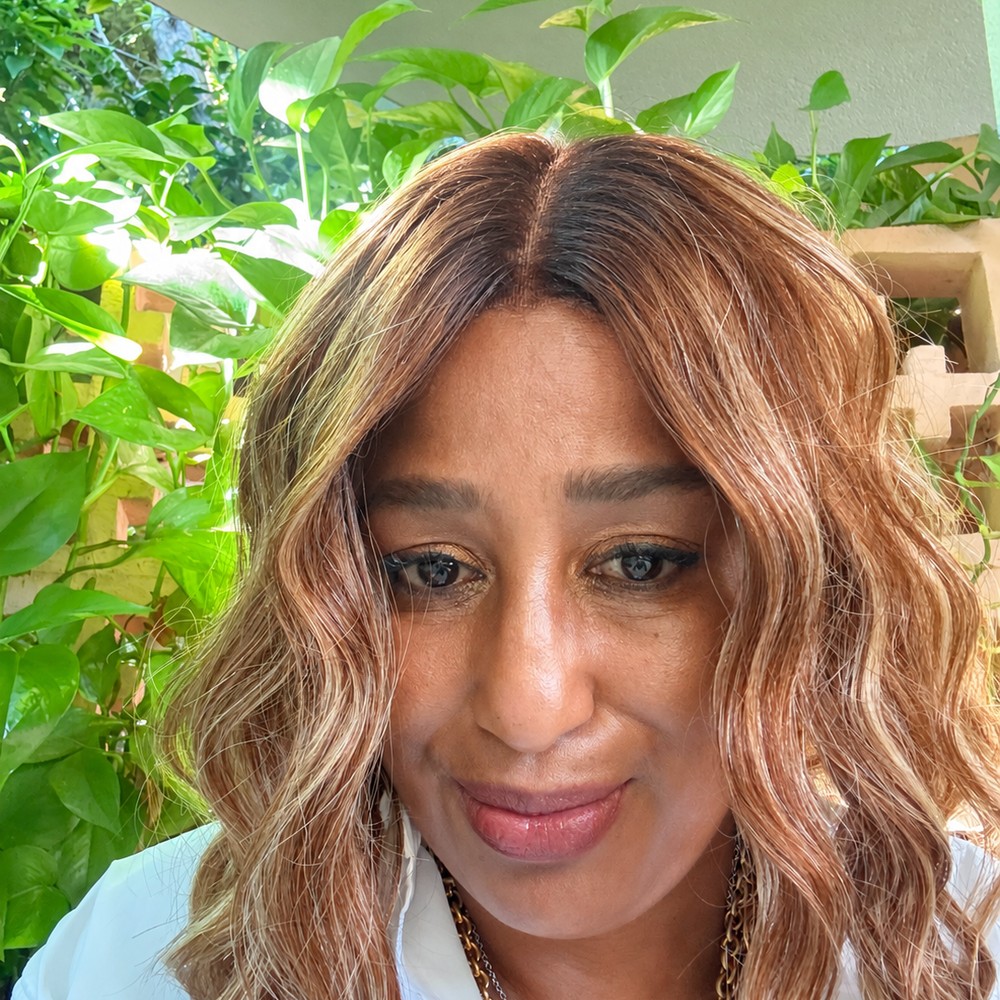
Elle Schwartz is a behavioral analyst, writer, and the creator, host, and executive producer of The Good Edit Unfiltered, an award winning podcast that brings context to reality television. Born in Compton, California, she holds five degrees from private institutions, including the University of Southern California, and draws on her background in behavioral science to examine how production edits shape the stories audiences see on screen.
Launched in February 2026, The Good Edit Unfiltered covers The Real Housewives franchises, Vanderpump Rules, Summer House, The Valley, and Married at First Sight.
The show is produced under Layered Media Inc. and Rude Mood Media, with Schwartz serving as executive producer alongside Ric Swartzlander. Its signature series, the Reality TV Cultural Reckoning, and its Grammar of Conflict framework explore how race, culture, and casting influence the way reality stars are portrayed.
In its first year, the podcast won three 2026 Black Podcasting Awards (Best Producer, Best Daily Podcast, and Original Music) and multiple 2026 Davey Awards, including Gold for the Reality TV Cultural Reckoning series. It ranks number 1 all time in Indie Real Housewives on Goodpods.
Schwartz is a member of the Television Critics Association and a founding member and judge of the Open Podcast Awards. She is also a credited co writer on Kyla & the White Guy, a scripted comedy series optioned by Roku. She lives in Encino, California.
Short bio (for spots with tight character limits)
Elle Schwartz is a behavioral analyst, writer… Read More