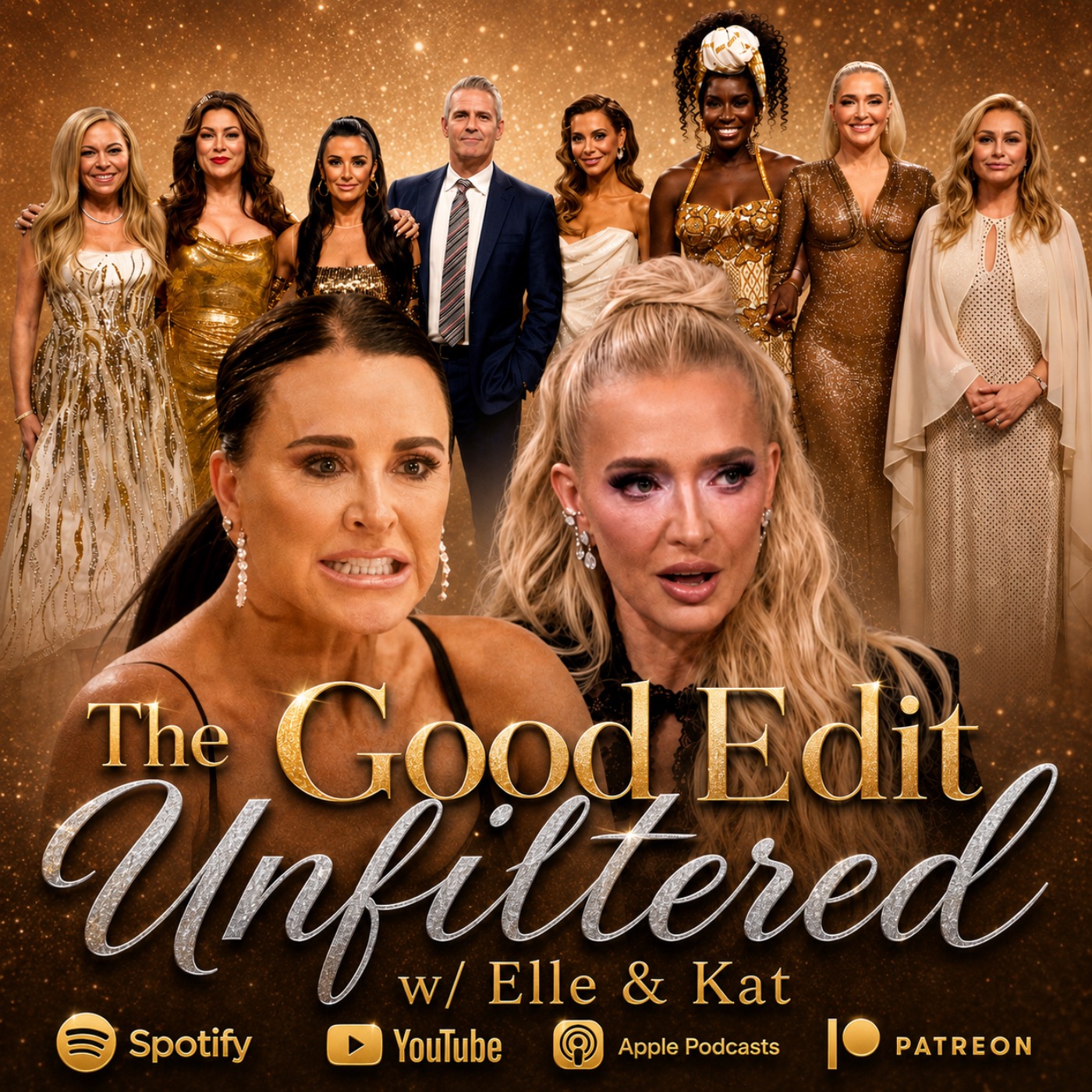
Beyond the Blame Game: Unpacking the Real Housewives' Emotional Fallout
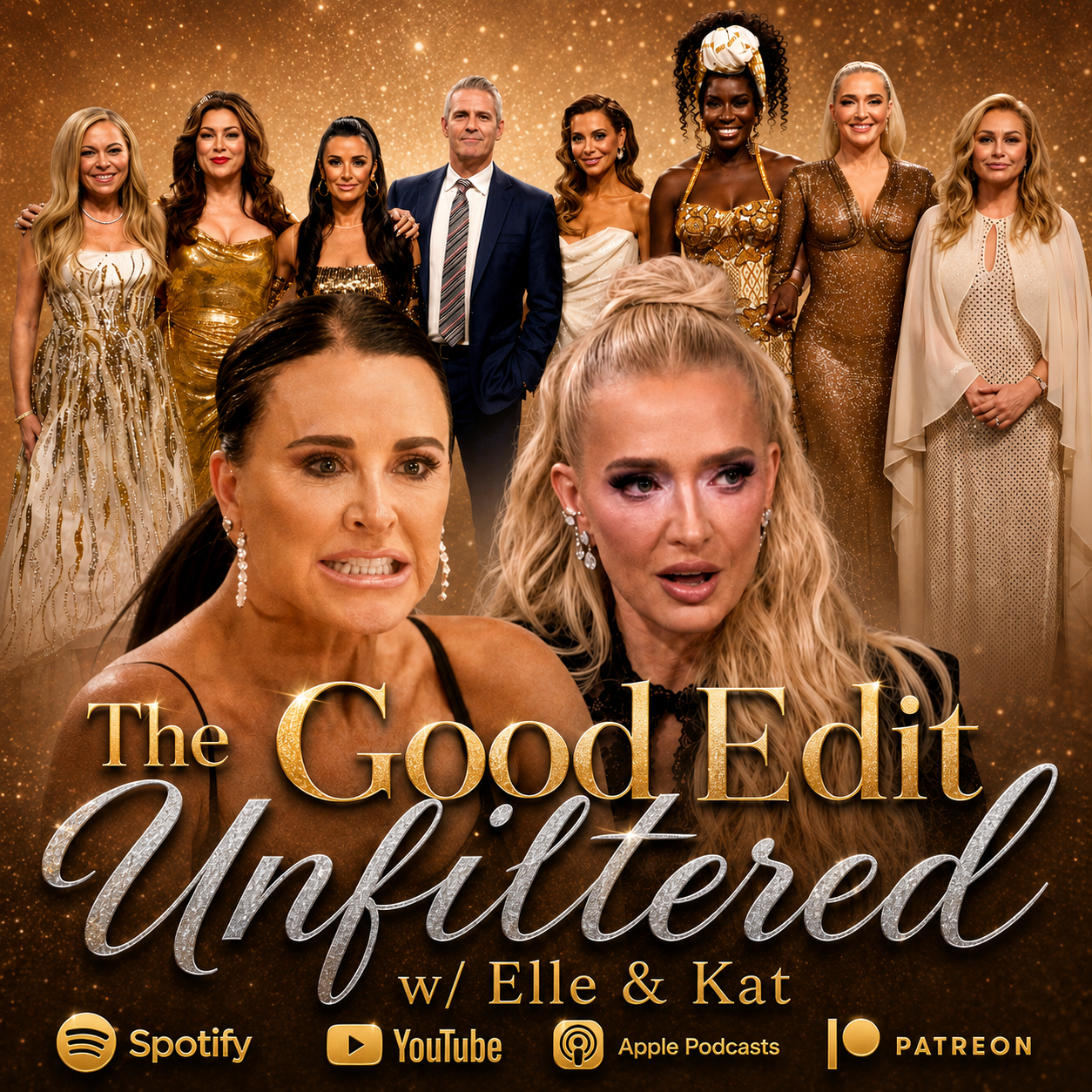
RHOBH Reunion Feuds Unpacked | Welcome back to the blog, everyone! This week on the podcast, we dove deep into the tumultuous friendships of the Real Housewives, specifically focusing on the recent drama surrounding Dorit, Erika, and Kyle. It’s easy to get caught up in the surface-level fights and accusations, the whispered insults and dramatic pronouncements, but as we explored in episode Dorit Erika Kyle Feud | RHOBH Reunion 3 Dorit vs Kyle and Erika, there’s almost always something much more profound simmering beneath the surface. Reality television, for all its manufactured drama, often acts as an unintended confessional, exposing the raw, unedited truths of human relationships when they’re pushed to their limits. This blog post will unpack those deeper issues, using the dynamic between Dorit Kemsley, Erika Jayne, and Kyle Richards as a lens to examine how unresolved grief, unspoken fears, and pervasive insecurities can dismantle even the most seemingly solid bonds. So grab a cup of your favorite beverage, settle in, and let’s go beyond the blame game.
The Real Housewives: More Than Just Petty Fights
The allure of reality television, and particularly shows like The Real Housewives franchise, lies in its intoxicating blend of aspiration and relatability. We see lavish lifestyles, extravagant parties, and seemingly effortless glamour. But interwoven with this aspirational sheen is the messy, often uncomfortable, reality of human interaction. The episodes are punctuated by arguments over trivial matters – a misplaced comment, a perceived slight, a forgotten birthday. These skirmishes, while entertaining, often serve as the tip of a very large, very submerged iceberg. What are we really watching when we see these women devolve into shouting matches and dramatic exits? Are we witnessing genuine, albeit immature, anger over a borrowed dress, or are we seeing the explosive release of pent-up emotions that have no other outlet?
The producers and editors are masters at crafting narratives, highlighting the most explosive moments to keep viewers hooked. They amplify misunderstandings, juxtapose conflicting statements, and create dramatic tension. However, often, the most compelling storylines emerge not from fabricated conflicts, but from the authentic human drama that these shows inadvertently capture. The ‘petty fights’ are frequently proxies for larger, more significant issues that the individuals are either unwilling or unable to confront directly. It’s easier to yell at a friend about a perceived betrayal regarding a party invitation than it is to admit that you feel lonely, unloved, or insecure about your place in the group. This deflection is a common human coping mechanism, and reality television provides a very public stage for it.
Consider the dynamics at play. These women are often in demanding professions, juggling careers, families, and public scrutiny. The pressure cooker environment of a reality TV show exacerbates these existing pressures. When friendships become strained, the fights that erupt often have roots in a complex web of past grievances, present anxieties, and future fears. The cameras roll, and the instinct to defend, deflect, or lash out can override the desire for nuanced conversation and conflict resolution. This is where the true emotional fallout begins, and it’s rarely about the initial spark.
Dorit, Erika, and Kyle: A Case Study in Unresolved Issues
The dynamic between Dorit Kemsley, Erika Jayne, and Kyle Richards has been a central narrative thread in recent seasons of The Real Housewives of Beverly Hills. Their journey from close friends to estranged allies, and sometimes outright adversaries, offers a poignant illustration of how deeper emotional currents can erode even seemingly strong bonds. We saw them supporting each other through significant life events, sharing intimate conversations, and presenting a united front. Then, slowly but surely, cracks began to appear, widening into chasms of mistrust and animosity.
In episode Dorit Erika Kyle Feud | RHOBH Reunion 3 Dorit vs Kyle and Erika, we heard the podcast hosts discuss how the seeds of this discord were sown long before the cameras captured the overt conflicts. The ‘disagreements’ about who said what, who was loyal, and who was a ‘true friend’ were often symptoms of a larger malaise. Kyle, often positioned as the mediator, found herself caught between two women navigating their own significant personal struggles. Dorit has been vocal about her marital difficulties and the immense stress she experienced during a traumatic home invasion. Erika, of course, has been embroiled in her ex-husband's legal battles, a situation that has undoubtedly taken an enormous emotional and psychological toll. These are not minor inconveniences; these are life-altering crises.
The issue isn't that these women *can't* be friends through adversity, but rather that the *way* they are processing that adversity, or failing to process it, is impacting their relationships. When individuals are consumed by their own pain, they may lack the emotional bandwidth to be supportive friends. They might become withdrawn, defensive, or even project their own insecurities onto others. The podcast highlighted how Kyle, in her attempts to navigate these complex situations, might have inadvertently exacerbated tensions by trying to keep the peace or by appearing to take sides, even when her intentions were to support both women.
The case study of Dorit, Erika, and Kyle demonstrates that the public persona and the on-screen bravado can mask immense internal turmoil. The accusations and arguments we witness are often the surface manifestations of deeper emotional wounds that are left untreated, festering and poisoning the relationships that once brought comfort and joy.
The Role of Grief in Fractured Friendships
Grief is a powerful, often underestimated, force in human relationships. It’s not just the acute pain of losing a loved one; grief can manifest in myriad forms. It can be the grief of a dissolving marriage, the grief of a career path that didn’t pan out as planned, the grief of lost youth, or even the grief of a perceived loss of identity. These forms of grief, when left unacknowledged and unaddressed, can create a profound sense of isolation and emotional depletion, making it incredibly difficult to maintain healthy connections with others.
In the context of the Real Housewives, many of the women are navigating significant life transitions or enduring prolonged periods of stress. Dorit's marital issues, while complex and multifaceted, undoubtedly involve elements of grief – the grief of a marriage that is no longer what it once was, the grief of uncertainty about the future. Erika's situation, with its legal and financial ramifications, carries the grief associated with the dissolution of a long-term partnership and the public fallout that has ensued. These are experiences that chip away at a person’s emotional reserves.
When someone is steeped in their own grief, their capacity for empathy and support towards others can be significantly diminished. They may become self-absorbed, not out of malice, but out of sheer necessity for survival. They may lash out because they feel misunderstood, or they may withdraw because they are too overwhelmed to engage. This is where friendships can suffer. A friend who needs support might perceive the grieving individual as being distant or uncaring, leading to resentment and further estrangement. The podcast discussed how unhealed wounds from divorce, career chaos, and identity crises can trigger anger, dissension, and disconnection. This is the essence of grief’s insidious impact on friendships.
The key takeaway here, as highlighted in the episode notes, is that confronting one's own grief first is paramount. It’s the brave act of looking inward, acknowledging the pain, and beginning the process of healing. Without this internal work, the external relationships are inevitably impacted. The blame game on-screen is often a desperate attempt to externalize an internal pain that the individual doesn't know how to manage.
Unspoken Fears and Insecurities as Relationship Saboteurs
Beyond grief, the silent saboteurs of relationships are often our own unspoken fears and deeply ingrained insecurities. These are the whispers in the back of our minds that tell us we’re not good enough, that we’re not loved, that we’re going to be abandoned, or that we’re not worthy of success. When these fears are left unexamined, they can manifest in destructive behaviors that push people away, ironically, fulfilling the very fear they were trying to avoid.
In the competitive and often superficial world of reality television, insecurities can be amplified. The constant comparison to others, the pressure to maintain a certain image, and the inherent vulnerability of being filmed can trigger latent anxieties. For instance, a fear of not being liked or accepted can lead someone to desperately seek validation, which can come across as clingy or inauthentic. Conversely, a fear of appearing weak might lead someone to adopt an overly aggressive or defensive posture, alienating potential allies.
Think about the dynamics we see. A perceived slight might be interpreted through the lens of deep-seated insecurity: "They didn't invite me because they don't really like me." This interpretation bypasses any logical explanation and immediately jumps to a conclusion that confirms the insecurity. This often leads to passive-aggressive behavior, passive-aggressive comments, or outright confrontation, all designed to test the boundaries of the friendship or to elicit reassurance.
The podcast emphasized how these hidden insecurities are a driving force behind the chaos. When individuals are projecting their own feelings of inadequacy onto others, they create conflict where there might not have been any. Kyle’s role as the ‘middle ground,’ for example, might have been perceived by Dorit or Erika through their own lenses of insecurity. Was Kyle truly trying to help, or was she subtly taking sides? Depending on their internal state, each woman might have interpreted Kyle’s actions differently, fueling their own fears and suspicions. The courage lies in recognizing these patterns within oneself and understanding how they are impacting interactions. It’s about owning your truth, as the episode notes suggest, even when that truth is uncomfortable.
Healing Off-Camera: The Key to On-Screen Survival
The constant spotlight of reality television can be both a catalyst for and a hindrance to emotional healing. While the show's drama can sometimes force issues to the surface, the pressure and public nature of the platform can also make genuine healing incredibly difficult. This is why the podcast’s emphasis on ‘healing off-camera’ is so crucial. True personal growth and the restoration of damaged relationships require a space free from the constant scrutiny of cameras and public opinion.
Healing is a personal journey. It involves introspection, self-compassion, and often, professional help. It means confronting the grief, acknowledging the fears, and understanding the insecurities that have been driving destructive behaviors. This is not something that can be effectively accomplished in a soundbite or during a heated argument on a Tuesday night. It requires dedicated time, effort, and a safe environment where vulnerability is not weaponized.
For the women on shows like Real Housewives, this means stepping away from the manufactured drama and engaging in genuine self-care and therapy. It means having honest conversations with trusted individuals, outside the context of filming. It means learning to regulate emotions and to respond rather than react. When individuals begin this process of internal work, they are better equipped to navigate the complexities of their relationships, both on and off-screen.
The podcast notes suggest that taking time to heal off-camera might just be the secret to saving friendships on-screen. This is a profound insight. If individuals can engage in meaningful personal development, they can approach their interactions with more equanimity, empathy, and understanding. This doesn't mean the drama disappears entirely, but it means the underlying causes are being addressed, leading to more authentic resolutions and healthier connections. It shifts the focus from external blame to internal responsibility, which is the bedrock of lasting change.
Taking Ownership: The Power of Emotional Honesty
Ultimately, the path to repairing fractured friendships, both within the realm of reality TV and in our own lives, lies in taking ownership. This means acknowledging one's own role in the conflict, without resorting to excuses or deflections. It's about the power of emotional honesty – being willing to say, "I messed up," "I was scared," or "I was hurting."
The podcast highlighted the surprising insights on why some women stay in their pain. Often, it’s because owning up to their own role would mean confronting uncomfortable truths about themselves, their choices, or their limitations. It’s easier to point fingers and assign blame than it is to look in the mirror and see one's own reflection in the problems. However, this is precisely where true strength lies. True strength is not about never falling; it's about getting back up, dusting yourself off, and learning from the fall.
Taking ownership requires courage. It means admitting that your own fears or insecurities might have led you to act in ways that were hurtful to others. It means recognizing that your grief, while valid, may have made you less accessible or supportive than you could have been. When individuals can offer this kind of authentic apology, it opens the door for genuine reconciliation. It shows respect for the other person's feelings and a willingness to work towards a better future.
The journey of owning your truth can redefine your relationships. It shifts the dynamic from one of defense and accusation to one of mutual understanding and vulnerability. This is the foundation for building stronger, more resilient connections. It’s about moving beyond the blame game and embracing the transformative power of emotional honesty, a lesson that resonates far beyond the confines of a reality television show.
Conclusion: Applying These Lessons to Our Own Lives
As we wrap up this deep dive, it's clear that the drama we witness on shows like The Real Housewives of Beverly Hills, while often exaggerated for entertainment, taps into universal human experiences. The conflicts between Dorit, Erika, and Kyle, as explored in this week’s episode Dorit Erika Kyle Feud | RHOBH Reunion 3 Dorit vs Kyle and Erika, serve as a potent reminder that petty fights are rarely about the superficial issue at hand. They are, more often than not, the loud and messy manifestations of unresolved grief, unspoken fears, and pervasive insecurities.
The lessons learned from dissecting these high-stakes friendships are incredibly valuable for navigating our own relationships. We too can find ourselves caught in cycles of blame, projecting our inner turmoil onto those closest to us. The power lies in recognizing these patterns within ourselves. By understanding the role of grief in our emotional landscapes, by confronting our deepest fears and insecurities, and by committing to the often-challenging work of healing off-camera, we can begin to foster more authentic and resilient connections.
Taking ownership of our emotional truths, even when it's difficult, is the most powerful step we can take. It allows for genuine apology, fosters empathy, and paves the way for deeper, more meaningful friendships. So, the next time you’re tempted to get caught up in the on-screen drama, remember that beneath the surface lies a human story, a story that might just mirror your own. Let's strive for that same emotional honesty and bravery in our own lives, and in doing so, reclaim our peace and deepen our connections. Thank you for joining me today, and I'll catch you on the next episode!

Creator | Host | Co-Executive Producer
Kat Vasseghi is a Bravo Commentator and the co-creator and co-host of The Good Edit w/ Elle & Kat, a culture-forward podcast where reality TV meets psychology, sociology, and sharp analysis. Previously known for her brand BravoRecs, Kat brings years of fluency in the Bravo universe its personalities, storylines, and fandoms paired with quick wit and a fan's instinct for the moments that matter. As a Bravo Commentator, she turns each recap into something sharper and more revealing than the average reaction show.
Known for her humor and culturally fluent takes, Kat reads the Bravo universe through the lens of the fans who live in it, catching the shifts and subtext other recaps miss. Alongside co-host Elle Schwartz, she co-created The Good Edit w/ Elle & Kat, blending cultural fluency, sharp humor, and elevated Bravo commentary into one of the most refreshing new voices in the reality TV podcast space.