Decoding the Subtle Art of Friendship Betrayal: Lessons from Summer House
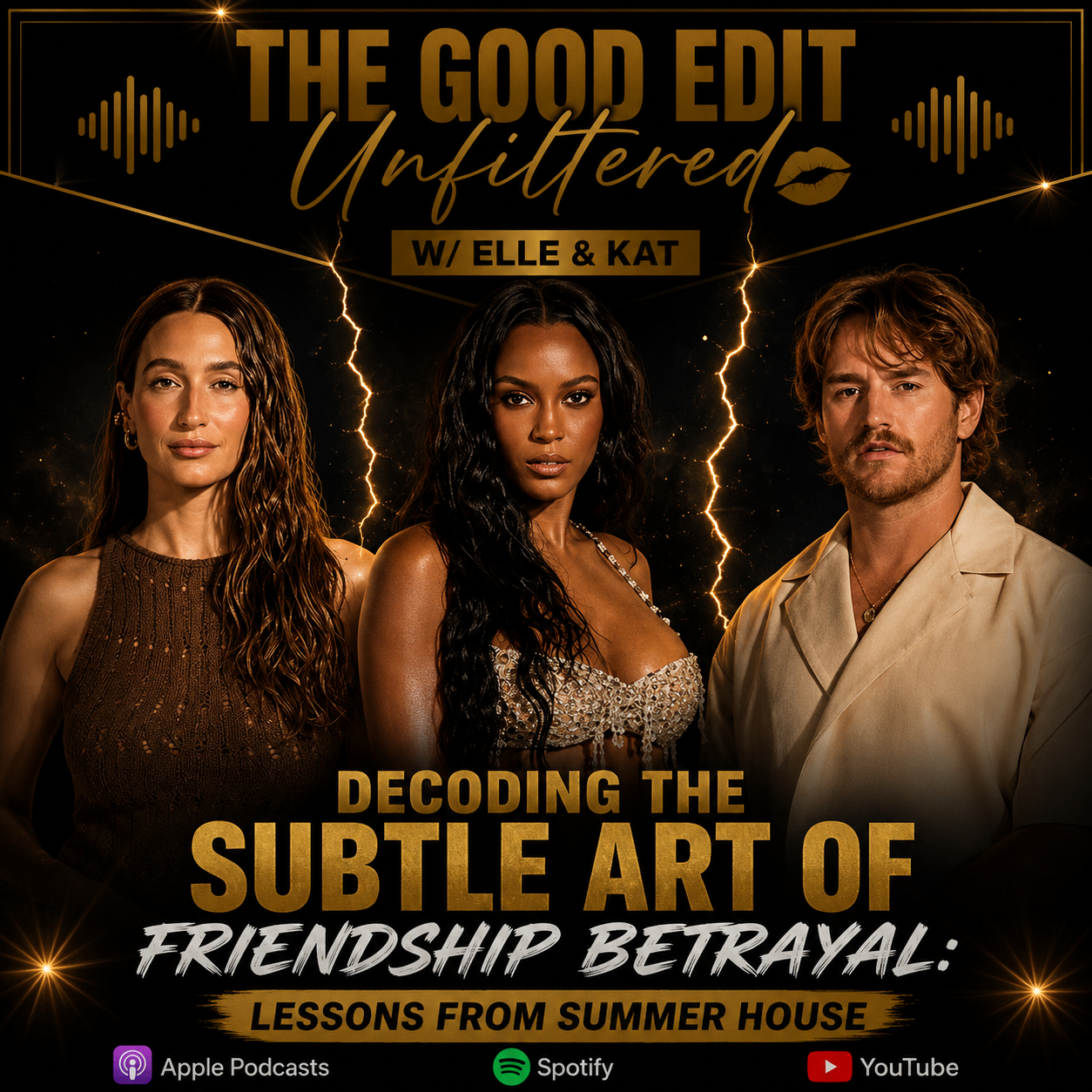
Subtle Signs of Friendship Betrayal | This post unpacks the insidious ways friendships can unravel, using the Summer House drama between Ciara and Amanda as a case study. Learn to identify the early warning signs and understand the psychological dynamics that lead to betrayal, offering actionable insights to safeguard your own relationships.
Key Takeaways
- Friendship betrayals often start subtly, with small cracks appearing long before any major fallout.
- Silence from a friend in crucial moments can be as damaging as an active betrayal.
- External influences, like a romantic interest, can act as catalysts for pre-existing friendship rifts.
- Recognizing these subtle signs early is crucial for preventing the escalation of personal conflicts.
- Understanding the psychological underpinnings of loyalty and convenience is key to navigating complex relationships.
The Insidious Nature of Friendship Betrayal
We often associate betrayal with dramatic, overt actions – a direct confrontation, a public insult, or a blatant lie. However, as the dramatic events on Summer House between Ciara and Amanda starkly illustrate, betrayal can be a far more subtle and insidious process. It’s a slow erosion of trust, a series of quiet decisions and unspoken resentments that, over time, chip away at the foundation of even the strongest bond. This episode of The Good Edit Unfiltered doesn't just recap the drama; it dissects the anatomy of how a seemingly solid friendship can fracture, revealing that the most painful betrayals are often the ones that creep up on you, long before the cameras start rolling.
The fallout between Ciara and Amanda wasn't a sudden explosion but a gradual implosion. The hosts of The Good Edit Unfiltered, Elle and Kat, meticulously trace the subtle shifts and overlooked cues that signaled the impending doom of their friendship. It’s a powerful reminder that the loudest betrayals aren't always the most damaging. Sometimes, it’s the quiet, almost imperceptible changes in behavior, the withholding of support, or the slight shift in allegiance that cuts the deepest. This slow burn makes the eventual realization all the more profound and painful for the individual experiencing it, as they may feel blindsided long after the cracks began to form.
Recognizing the Early Warning Signs
One of the most valuable aspects of the discussion on The Good Edit Unfiltered is its focus on actionable insights. The hosts delve into what Ciara might have missed and what cues Amanda perhaps hoped would go unnoticed. This isn't about assigning blame but about empowering listeners to identify similar patterns in their own lives.
The Power of Absence and Silence
Silence can be a deafening indicator of a friendship's unraveling. In the context of Ciara and Amanda, Amanda's perceived silence during critical moments is highlighted as a significant factor. When a friend is present but fails to speak up, offer support, or defend you when it matters most, their inaction can feel like a profound betrayal. It signals a withdrawal of solidarity, a passive acceptance of circumstances that harm you, or a prioritization of other relationships or comforts over your well-being. This silence can be more damaging than any spoken word, as it leaves the betrayed individual feeling isolated and unsupported, often questioning their own perception of the friendship.
External Influences as Catalysts
The role of West in the Ciara-Amanda dynamic is a prime example of how external factors can accelerate existing rifts. While West may not have been the sole cause of the friendship's demise, his presence acted as a catalyst, bringing underlying tensions and unspoken resentments to the surface. This highlights a common theme in relationship dynamics: external influences can often exploit or exacerbate pre-existing cracks. When a friendship is already strained by subtle signs of detachment or waning loyalty, the introduction of a new person or a new dynamic can be the tipping point that leads to a full-blown implosion. It's rarely just about the new person; it's about what that person exposes within the existing relationship.
Shifts in Priorities and Allegiances
Another subtle sign to watch for is a shift in priorities. Does your friend consistently make time for you? Are they present in your life, or do they seem increasingly distant? When a friend consistently chooses other activities, people, or comforts over your friendship, it’s a clear indication that their priorities have shifted. This isn't about demanding constant attention, but about recognizing when you've consistently moved down their list of important people. Such shifts, when they occur without open communication or explanation, can be incredibly painful and are often precursors to more significant betrayals. The feeling of being sacrificed for the convenience or comfort of others is a common thread in these situations.
Navigating Betrayal in Your Own Life
The insights from The Good Edit Unfiltered offer more than just juicy reality TV gossip; they provide a lens through which to examine our own relationships. The ability to recognize the early, subtle signs of betrayal is a powerful tool for self-preservation and for fostering healthier connections. It's about being attuned to your intuition and trusting your gut when something feels off.
Trusting Your Intuition
If you find yourself constantly questioning a friend's loyalty or feeling a sense of unease, pay attention to that feeling. Our intuition often picks up on subtle cues that our conscious mind might dismiss. The Summer House situation demonstrates how easy it is to overlook these signs when we are invested in a friendship and want to believe the best. However, consistently feeling undervalued, unheard, or unsupported by a friend is a red flag that shouldn't be ignored. Acknowledging these feelings is the first step toward understanding what's truly happening in the friendship.
Open Communication as a Defense
While the Summer House scenario highlights the consequences of unspoken issues, it also underscores the importance of communication. If you notice subtle shifts in a friendship, it’s often best to address them directly and calmly. This doesn’t mean launching accusations, but rather expressing your feelings and observations. For example, you might say, “I’ve been feeling a bit disconnected from you lately, and I wanted to check in,” or, “I felt hurt when [specific situation] happened, and I wanted to talk about it.” Open communication can sometimes clear up misunderstandings before they escalate into major problems and can help re-establish boundaries and expectations within the friendship.
Setting and Maintaining Boundaries
Boundaries are essential for any healthy relationship, and this is especially true when navigating potential betrayal. Understanding what you are and are not willing to accept in a friendship is crucial. When you establish clear boundaries, you communicate your expectations and signal what you deem acceptable behavior. If those boundaries are crossed, it’s important to address it. This might mean having a direct conversation, or in more severe cases, re-evaluating the friendship itself. The ability to set and maintain boundaries is not a sign of distrust, but rather a commitment to ensuring mutual respect and well-being within the relationship.
Ultimately, the unraveling of Ciara and Amanda's friendship on Summer House, as dissected by Elle and Kat on The Good Edit Unfiltered, serves as a compelling case study in the complex nature of human relationships. It reminds us that loyalty is tested not in grand gestures, but in quiet moments, and that recognizing the subtle signs of betrayal can be the key to preserving our trust and our peace of mind. The podcast provides a deep dive into the psychological intricacies of these dynamics, offering listeners valuable lessons that extend far beyond the screens of our favorite reality shows. For a more in-depth analysis of this friendship fallout and the broader themes of loyalty and betrayal, Listen to the full episode.
Frequently Asked Questions
What are the most common subtle signs of a friendship deteriorating?
Common subtle signs include increased silence or a lack of engagement from one friend, consistent prioritizing of other people or activities, perceived lack of support during difficult times, subtle shifts in conversational topics that avoid deeper connection, and a general feeling of emotional distance or disconnect that develops over time without a clear explanation.
How can I address a friend about their distant behavior without causing conflict?
Start by expressing your feelings using “I” statements, such as “I’ve been feeling a little out of touch with you lately, and I miss our connection.” Avoid accusatory language. Ask open-ended questions like, “Is everything okay?” or “I’ve noticed we haven’t connected as much recently; is there anything going on?” Focus on your desire to maintain the friendship and seek understanding rather than assigning blame.
Is it always betrayal when a friend silences during a conflict?
Not always, but it can be a significant indicator. Silence can stem from various reasons, including discomfort with conflict, a desire to avoid taking sides, or personal issues. However, when a friend’s silence leads to you feeling unsupported or abandoned during a situation where their support is expected or needed, it can certainly be perceived as a form of betrayal, especially if it becomes a pattern.
What is the difference between a friend growing apart and betrayal?
Growing apart often happens organically over time due to differing life paths, interests, or evolving personalities, usually without malice. Betrayal, on the other hand, typically involves a conscious or unconscious act that violates trust, such as deception, disloyalty, or a deliberate disregard for the friendship’s core values, often leaving the betrayed party feeling hurt and wronged.

Creator | Host | Co-Executive Producer
Elle Schwartz is a behavioral analyst, writer, and the creator, host, and executive producer of The Good Edit Unfiltered, an award winning podcast that brings context to reality television. Born in Compton, California, she holds five degrees from private institutions, including the University of Southern California, and draws on her background in behavioral science to examine how production edits shape the stories audiences see on screen.
Launched in February 2026, The Good Edit Unfiltered covers The Real Housewives franchises, Vanderpump Rules, Summer House, The Valley, and Married at First Sight.
The show is produced under Layered Media Inc. and Rude Mood Media, with Schwartz serving as executive producer alongside Ric Swartzlander. Its signature series, the Reality TV Cultural Reckoning, and its Grammar of Conflict framework explore how race, culture, and casting influence the way reality stars are portrayed.
In its first year, the podcast won three 2026 Black Podcasting Awards (Best Producer, Best Daily Podcast, and Original Music) and multiple 2026 Davey Awards, including Gold for the Reality TV Cultural Reckoning series. It ranks number 1 all time in Indie Real Housewives on Goodpods.
Schwartz is a member of the Television Critics Association and a founding member and judge of the Open Podcast Awards. She is also a credited co writer on Kyla & the White Guy, a scripted comedy series optioned by Roku. She lives in Encino, California.
Short bio (for spots with tight character limits)
Elle Schwartz is a behavioral analyst, writer… Read More