The Fallout of Deception: How Lies Shattered Friendships on Summer House
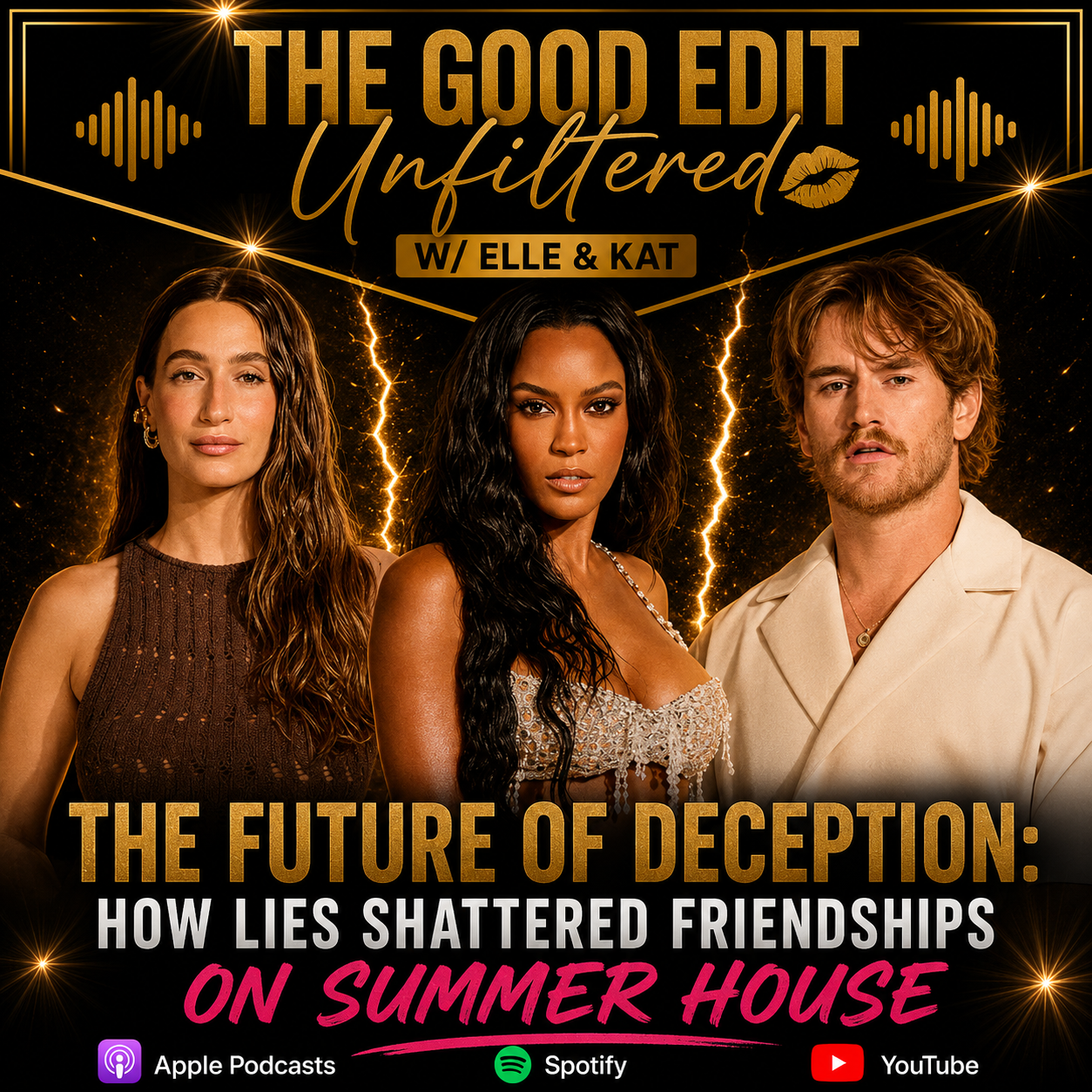
Summerhouse Betrayal Deception | Delve into the devastating impact of deception on genuine connections, exploring how the lies surrounding West and Amanda's relationship fractured the core friendships on Summer House. Understand the psychological toll of betrayal and why honesty is paramount in maintaining group dynamics.
Key Takeaways
- The core issue in the Summer House scandal wasn't the relationship itself, but the pervasive deception surrounding it.
- Friendship betrayals, particularly by Kyle, proved more emotionally impactful than the romantic entanglement for some cast members.
- West's apologies lacked sincerity for many, appearing as a post-hoc rationalization rather than genuine remorse.
- Ciara Miller's stance underscored the gravity of broken trust, signaling a definitive end to her friendship with Amanda Batula.
- Commentary from outside the central conflict highlighted the audience's perspective on accountability and manipulation.
The Core of the Conflict: Deception Over Romance
When the dust settled on the Summer House reunion, one stark truth emerged: the relationship between West Wilson and Amanda Batula was not the primary source of the cast's distress. Instead, it was the elaborate web of lies and the subsequent deception that truly fractured the group. As the reunion unfolded, the focus consistently returned to the timeline, the conflicting stories, and the sheer effort put into concealing the truth. This wasn't just about two people finding a connection; it was about the trust that was eroded, the narratives that were manipulated, and the friendships that were collateral damage.
The sentiment, as echoed by the podcast hosts, that "it all feels pointless now" stemmed directly from this perceived lack of authenticity. Weeks of rehashing, apologies, and explanations felt hollow because they were built upon a foundation of dishonesty. The cast members weren't just reacting to a new relationship; they were reacting to being lied to, to having their trust undermined, and to witnessing a calculated effort to control the narrative. This distinction is crucial for understanding the depth of the hurt experienced by the cast. It wasn't about who liked whom, but about the integrity of the relationships within the house.
When Lies Outweigh Love
The podcast discussion highlights a critical point: "The biggest issue wasn't necessarily the relationship itself—it was the deception surrounding it." This sentiment was a recurring theme among the cast members, who repeatedly expressed that the dishonesty was the most painful element. While romantic entanglements are common in reality television, the calculated nature of the secrecy in this case struck a different chord. It suggested a level of manipulation that went beyond impulsive decisions and ventured into a deliberate effort to mislead those closest to them.
Several cast members pointed out that the apologies offered by West and Amanda felt hollow because they came only after the truth had been exposed. This suggests a lack of genuine remorse and a focus on damage control rather than authentic regret. The feeling that the apologies were a performance, designed to appease the group and the viewers, contributed to the overall sense of futility that permeated the reunion. The podcast emphasizes that for many, the lies themselves caused more damage than the actual romance that was being hidden.
The Shattering of Friendships: Kyle and Ciara's Pain
Perhaps the most poignant aspect of the Summer House reunion fallout was the impact on the existing friendships. Kyle Cooke's emotional reaction, for instance, was noted as particularly surprising and revealing. His hurt stemmed not just from the romantic scandal involving Amanda, but from the betrayal of his friendship with West. Learning that he had unknowingly supported and confided in someone who was actively deceiving him and his wife cut deep. This sense of betrayal extended beyond romantic relationships and highlighted the importance of loyalty and honesty within male friendships, especially in a high-pressure, shared living environment.
Similarly, Ciara Miller's firm stance against Amanda Batula underscored the gravity of the broken trust. Despite Amanda's repeated apologies, Ciara remained resolute, emphasizing that the betrayal was multi-faceted. It wasn't just about West; it was about a fundamental breach of friendship, trust, and months of dishonesty. Ciara's questioning of Amanda's explanations and her insistence that Amanda didn't grasp the full extent of the damage painted a clear picture: this friendship, once seemingly solid, had reached a breaking point. The reunion didn't offer a path to reconciliation but rather marked the official end of their bond, illustrating how deception can irrevocably damage even close friendships.
The Weight of Betrayal
The podcast's analysis points out that for some, like Kyle, the impact of the friendship fallout was even more devastating than the relationship scandal itself. This speaks volumes about the perceived value of loyalty and honesty in interpersonal dynamics. When a friend deceives you, it not only hurts but also forces a re-evaluation of past interactions and shared confidences. The feeling of being blindsided, especially when you've been open and vulnerable with the person in question, can be profoundly destabilizing.
The reactions of other cast members, such as Jesse, Dara, Bailey, and Mia, further amplified this theme. They acted as the voice of reason and accountability, refusing to let the conversation devolve into excuses. Their pointed questions and critiques served to hold West accountable for his actions and the deception involved. By focusing on the manipulative aspects of the situation, they resonated with viewers who felt similarly frustrated by the lack of genuine resolution and the underlying dishonesty. Their commentary provided a much-needed dose of reality, reminding everyone that actions have consequences, especially when they involve betraying trust.
Accountability and the Apology That Fell Flat
A significant portion of the reunion and the subsequent podcast discussion revolved around West's attempts at accountability. He acknowledged mistakes and accepted criticism, a step that, in theory, should lead towards resolution. However, the overwhelming reaction from the cast and viewers was skepticism. His apologies were widely perceived as insincere, more of a reaction to being caught than a result of genuine reflection. This perception was fueled by the months of dishonesty that preceded the reunion.
The podcast hosts and cast members alike questioned whether West's acceptance of criticism was passive rather than truly reflective. When someone acknowledges fault only when confronted with irrefutable evidence, it diminishes the perceived sincerity of their remorse. This dynamic created a frustrating viewing experience, as the promised accountability never seemed to translate into meaningful change or resolution. The apologies, therefore, landed with a thud, failing to mend the fractured relationships or assuage the hurt caused by the deception. This highlights a key aspect of genuine accountability: it must be proactive, sincere, and demonstrated through consistent action, not just words offered under duress.
The Psychology of a Failed Apology
From a psychological standpoint, a failed apology often stems from a mismatch between what is said and what is felt, or a lack of understanding of the impact of one's actions. In West's case, it appeared that his apologies were a strategic move to navigate the fallout, rather than an expression of deep regret for the harm caused. This is a common pitfall in reality television, where the pressure to maintain a certain image can lead to performative displays of emotion and accountability.
The podcast delves into how the editing and production of these shows can amplify such dynamics, shaping narratives around heroes and villains. However, even with skillful editing, the genuine reactions of the cast members—their disbelief, their hurt, their skepticism—cut through. These raw emotions underscore the real-world consequences of deception and the importance of authentic communication in maintaining healthy relationships. The failure of West's apologies serves as a potent reminder that true reconciliation requires more than just words; it demands empathy, understanding, and a demonstrable commitment to change.
Conclusion: The Lingering Echoes of Deception
The Summer House reunion concluded without the satisfying closure many viewers and cast members might have hoped for. The deception surrounding West and Amanda's relationship had created rifts that seemed too deep to mend in a single reunion special. Friendships were left shattered, trust was broken, and the lingering question of sincerity hung heavy in the air. Bravo's decision to produce a follow-up special, 'Summer House: The Aftermath,' further emphasizes that the story and its emotional repercussions are far from over. The intense focus on how lies can dismantle personal connections within a group, and the raw reactions of those affected, provides a compelling case study in the dynamics of reality television and the enduring power of trust. To hear the full unfiltered discussion and deeper analysis of this Summer House drama, Listen to the full episode where Elle and Kat break down every angle.
Frequently Asked Questions
Did Kyle Cooke feel more betrayed by West Wilson or Amanda Batula?
Kyle Cooke expressed significant hurt over West Wilson's deception, feeling personally betrayed that his friend had hidden a significant relationship from him, especially after Kyle had shared personal details and supported West. While his feelings about Amanda were also impacted, the betrayal of his friendship with West seemed to affect him more deeply.
Why were West Wilson's apologies perceived as insincere by the Summer House cast?
West Wilson's apologies were met with skepticism because they came after months of dishonesty and were seen as a reaction to being caught rather than genuine remorse. Many cast members felt his acceptance of criticism was passive and aimed at damage control, failing to address the root cause of the hurt: the deception itself.
How did the deception impact Ciara Miller's relationship with Amanda Batula?
The deception significantly damaged Ciara Miller's friendship with Amanda Batula. Ciara viewed the betrayal as extending beyond West to encompass a breach of trust and months of dishonesty. She rejected Amanda's apologies, indicating that the friendship had reached an official end due to the profound hurt and broken trust.
What role did other Summer House cast members play in addressing the deception?
Cast members like Jesse Solomon, Dara Fekete, Bailey Smith, and Mia Alario played a crucial role by providing strong commentary and holding West accountable. They prevented the conversation from becoming an excuse-fest and voiced the perspectives of many viewers, focusing on the consequences of West's actions and the underlying dishonesty.
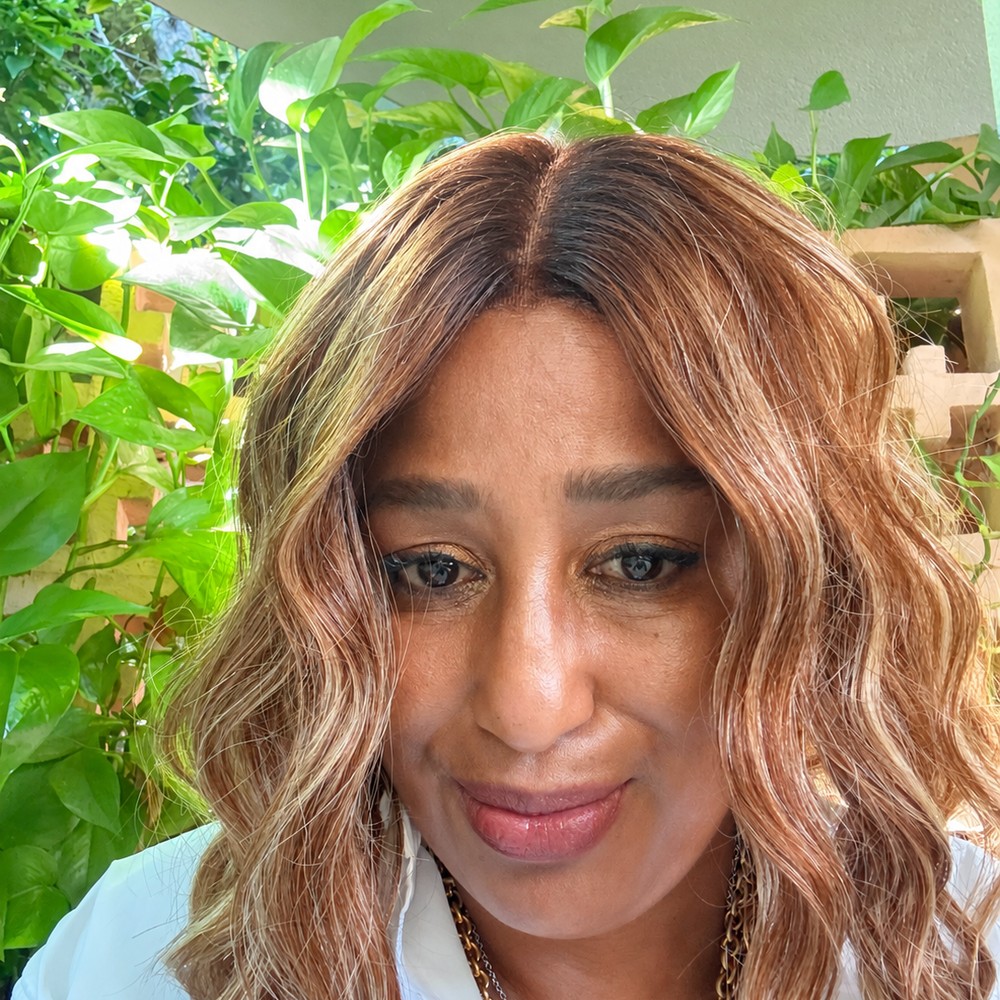
Creator | Host | Co-Executive Producer
Elle Schwartz is a behavioral analyst, writer, and the creator, host, and executive producer of The Good Edit Unfiltered, an award winning podcast that brings context to reality television. Born in Compton, California, she holds five degrees from private institutions, including the University of Southern California, and draws on her background in behavioral science to examine how production edits shape the stories audiences see on screen.
Launched in February 2026, The Good Edit Unfiltered covers The Real Housewives franchises, Vanderpump Rules, Summer House, The Valley, and Married at First Sight.
The show is produced under Layered Media Inc. and Rude Mood Media, with Schwartz serving as executive producer alongside Ric Swartzlander. Its signature series, the Reality TV Cultural Reckoning, and its Grammar of Conflict framework explore how race, culture, and casting influence the way reality stars are portrayed.
In its first year, the podcast won three 2026 Black Podcasting Awards (Best Producer, Best Daily Podcast, and Original Music) and multiple 2026 Davey Awards, including Gold for the Reality TV Cultural Reckoning series. It ranks number 1 all time in Indie Real Housewives on Goodpods.
Schwartz is a member of the Television Critics Association and a founding member and judge of the Open Podcast Awards. She is also a credited co writer on Kyla & the White Guy, a scripted comedy series optioned by Roku. She lives in Encino, California.
Short bio (for spots with tight character limits)
Elle Schwartz is a behavioral analyst, writer… Read More